
Everything You Need to Know About Pomegranate Seeds
Introduction
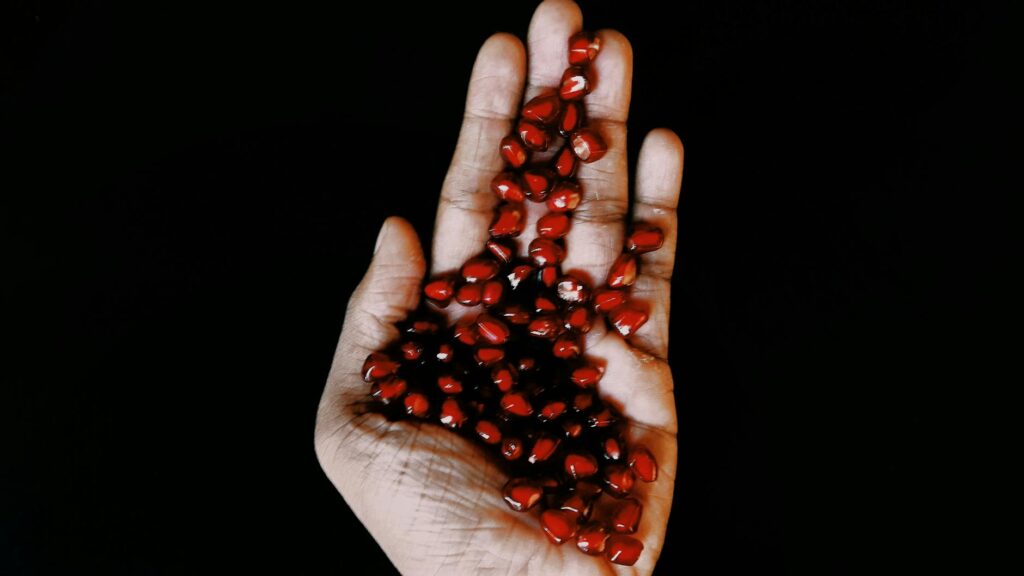
Pomegranate seeds, often referred to as arils, are the edible gems found within the tough, leathery skin of the pomegranate fruit. These tiny, jewel-like seeds are not only visually striking but also packed with flavor and nutrients, making them a popular choice in various culinary applications. Their vibrant red color and sweet-tart taste can elevate both sweet and savory dishes, while their health benefits add to their appeal. This comprehensive guide aims to explore the multifaceted world of pomegranate seeds, covering everything from their history and production to their culinary uses and common misconceptions.
What Is Guides?
In the context of food ingredients, a ‘Guide’ serves as a repository of essential information about a particular item, providing insights that range from historical significance to practical applications. For pomegranate seeds, the guide encompasses their origins, production processes, quality standards, purchasing tips, and much more. Such guides are invaluable for chefs, home cooks, food enthusiasts, and anyone looking to deepen their understanding of this unique ingredient.
History and Origins
The history of pomegranate seeds is as rich as their flavor. Native to the region extending from Iran to northern India, the pomegranate has been cultivated for thousands of years. This fruit is one of the oldest cultivated fruits known to humanity, with archaeological evidence suggesting its use dating back to around 3000 BCE.
In ancient cultures, pomegranates were often associated with fertility, abundance, and prosperity. They are mentioned in various religious texts, including the Bible and the Quran, symbolizing divine blessings and paradise. The fruit made its way to the Mediterranean through trade routes and has since become a staple in many cuisines around the world.
Production and Processing
Pomegranates thrive in warm, dry climates, making countries like Iran, India, and the Mediterranean region key producers. The cultivation of pomegranates requires specific conditions, including well-drained soils and a full sun exposure. Harvesting typically occurs in late summer to early autumn when the fruit has reached its optimal ripeness.
Once harvested, the pomegranates are usually processed to extract the seeds. This can be done by cutting the fruit open and gently removing the arils or using mechanical methods for larger production. The seeds are then often sold fresh, juiced, or dried.
Pomegranate juice has gained immense popularity, leading to innovative processing techniques that aim to retain the fruit’s natural flavors and nutrients. Cold-pressing methods are commonly employed to produce high-quality juice without compromising its health benefits.
Quality and Grading
The quality of pomegranate seeds depends on several factors, including the variety of the fruit, the ripeness at harvest, and the processing methods used. In the market, pomegranate seeds are typically classified based on quality indicators such as color, size, and flavor profile.
When purchasing pomegranate seeds, look for seeds that are plump, vibrant in color, and free from any blemishes or signs of spoilage. Fresh seeds should have a juicy texture and a balanced sweet-tart flavor. For processed seeds or juices, checking for certifications or quality assurance seals can offer additional peace of mind regarding their freshness and nutritional value.
Buying Considerations
When considering the purchase of pomegranate seeds, several factors come into play:
1. Fresh vs. Processed: Fresh seeds are ideal for immediate culinary use, while processed seeds or juices offer convenience and longer shelf life.
2. Organic vs. Conventional: Organic options may be desirable for those looking to avoid pesticides, while conventional seeds are often more readily available and cost-effective.
3. Packaging: Look for seeds packaged in airtight containers to preserve freshness. Vacuum-sealed or refrigerated options are preferable for extended shelf life.
4. Seasonality: Pomegranates are seasonal fruits. Depending on the region, they may be available fresh from late summer through early winter. Off-season, processed options such as frozen or dried seeds may be more accessible.
5. Source: Knowing the origin of your pomegranate seeds can also be beneficial. Seeds sourced from reputable growers or regions known for high-quality pomegranates can enhance your culinary experience.
Uses and Applications
Pomegranate seeds are incredibly versatile, finding their way into both sweet and savory dishes. Here are some common applications:
- Salads: Their crunch and burst of flavor make them a popular addition to salads, enhancing both texture and visual appeal.
- Garnishes: Pomegranate seeds serve as an elegant garnish for numerous dishes, including desserts, meats, and cocktails.
- Sauces and Dressings: The sweet-tart flavor of pomegranate seeds can add depth to sauces and dressings, offering a unique twist to familiar recipes.
- Snacking: Fresh pomegranate seeds can be enjoyed on their own as a nutritious snack, making them a convenient addition to lunchboxes.
- Baking: In desserts, pomegranate seeds can provide a refreshing contrast to richer flavors, making them an excellent choice for cakes and pastries.
- Beverages: Pomegranate juice is a popular drink on its own or as a mixer in cocktails, bringing a vibrant color and flavor to drinks.
- Fresh Seeds: When stored in the refrigerator, fresh pomegranate seeds can last for about 5 to 7 days. Keep them in an airtight container to prevent moisture loss.
- Juice: Freshly squeezed pomegranate juice should be consumed within 3 to 5 days when refrigerated. Commercially bottled juice can last longer, but always check the expiration date.
- Frozen Seeds: For extended storage, pomegranate seeds can be frozen. Spread them on a baking sheet to freeze individually before transferring them to a freezer-safe container.
Storage and Shelf Life
Proper storage of pomegranate seeds is essential to maintain their freshness and flavor. Here are some guidelines: