
Everything You Need to Know About Quinoa
Introduction
Quinoa, often hailed as a superfood, has gained significant attention in the culinary world and beyond. This ancient grain, rich in nutrients and versatile in use, has found its way into the kitchens of health-conscious individuals and gourmet chefs alike. Understanding quinoa not only enhances its culinary applications but also enriches appreciation for its cultural significance and nutritional value. This guide will delve into the various aspects of quinoa, from its history and origins to its storage and common misconceptions.
What Is Quinoa?
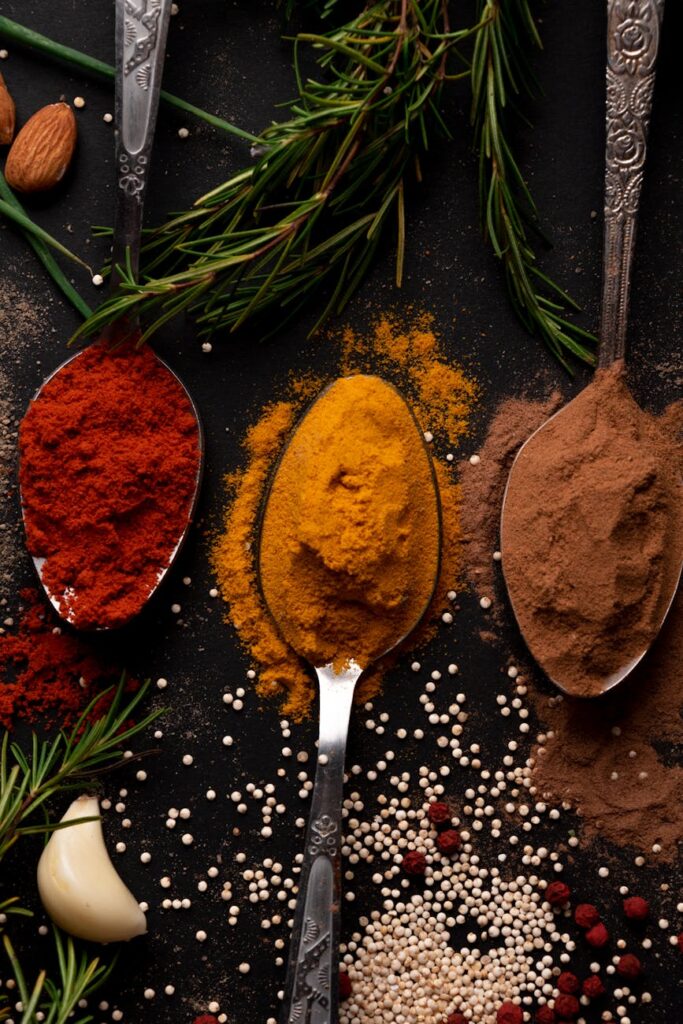
Quinoa (Chenopodium quinoa) is a seed that is commonly referred to as a grain due to its similar culinary uses and nutritional profile. It is a member of the Amaranthaceae family and is native to the Andean region of South America. Quinoa seeds are small, round, and come in various colors, including white, red, and black. Unlike many grains, quinoa is gluten-free, making it an excellent option for those with gluten sensitivities. Rich in protein, fiber, and essential amino acids, quinoa is often considered a complete protein, making it particularly appealing to vegetarians and vegans.
History and Origins
Quinoa has a rich history that dates back over 5,000 years, with archaeological evidence suggesting its cultivation by the ancient civilizations of the Andes, including the Incas, who revered it as a sacred crop. The Inca emperor would often sow the first seeds of quinoa during a ceremonial ritual, demonstrating its cultural significance. Traditionally, quinoa was a staple food for these communities, providing essential nutrients to support their lifestyle in the high-altitude regions.
Following the Spanish conquest in the 16th century, quinoa’s prominence diminished as the Spanish colonizers introduced wheat and other grains. However, in recent decades, there has been a resurgence of interest in quinoa, driven by a growing awareness of its health benefits and sustainability as a crop. Today, it is cultivated in various regions around the world, including the United States, Canada, and Europe, but Bolivia, Peru, and Ecuador remain the primary producers.
Production and Processing
Quinoa thrives in harsh environmental conditions, including high altitudes, poor soil quality, and extreme temperatures. These attributes make it a resilient crop, capable of growing in areas where other grains might fail. The cultivation process typically involves the following stages:
1. Sowing: Quinoa is usually sown in the spring, as it requires a frost-free growing season.
2. Growing: The plants grow to heights between 1 to 10 feet, depending on the variety, and produce clusters of seeds known as panicles.
3. Harvesting: Harvesting occurs when the seeds become firm and the leaves have fallen, usually in late summer or early fall.
4. Processing: Post-harvest, quinoa undergoes a process of cleaning to remove the bitter saponins that coat the seeds. This is crucial, as saponins can impart a bitter taste. The seeds are then dried and packaged for distribution.
The processing methods can vary, with some producers opting for organic certifications and sustainable practices to meet the growing demand for ethically sourced ingredients.
Quality and Grading
The quality of quinoa is determined by several factors, including seed size, color, and the absence of defects. Here are the primary considerations for grading quinoa:
- Seed Size: Higher-quality quinoa typically features larger seeds, which yield better cooking results.
- Color: While color does not directly impact the nutritional value, white quinoa is often preferred for its milder flavor, while red and black varieties offer unique tastes and textures.
- Purity: High-quality quinoa should be free from contaminants and foreign seeds. Quality assurance processes ensure that the seeds meet both safety and quality standards.
- Taste and Aroma: Fresh quinoa has a nutty aroma, which can be an indicator of its quality.
- Variety: Different quinoa varieties have distinct flavors and textures. White quinoa is mild, red quinoa has a nuttier taste, and black quinoa offers a slightly sweet flavor. Depending on the dish and desired outcome, choose accordingly.
- Source: Opt for quinoa sourced from reputable producers that prioritize ethical farming practices. Look for certifications like Fair Trade or Organic, which often indicate higher quality and better environmental practices.
- Packaging: Check for airtight packaging to ensure freshness. Quinoa should be stored in a cool, dry place, and packaging should be intact to prevent moisture and pests from affecting quality.
- Price: Quality often correlates with price. While it may be tempting to choose cheaper options, investing in higher-quality quinoa can yield better culinary results and support sustainable practices.
- Culinary Uses: Quinoa can be cooked and served as a side dish, incorporated into salads, or used as a base for grain bowls. Its unique texture complements both savory and sweet dishes, making it suitable for breakfast porridge or desserts.
- Baking: Quinoa flour, produced by grinding the seeds, can be used in gluten-free baking, imparting a nutty flavor to breads, cookies, and pancakes.
- Thickening Agent: Cooked quinoa can act as a natural thickener for soups and stews, adding both texture and nutritional value.
- Cultural Dishes: In traditional Andean cuisine, quinoa is often featured in soups and stews, showcasing its historical significance.
- Dry Storage: Uncooked quinoa should be stored in an airtight container in a cool, dry place away from direct sunlight. This will prevent moisture absorption and pest infestations.
- Refrigeration: While not necessary, storing quinoa in the refrigerator can extend its shelf life, particularly in warmer climates.
- Cooked Quinoa: Once cooked, quinoa can be refrigerated in an airtight container for up to a week. It can also be frozen for longer storage, but be sure to cool it completely before freezing.
- Quinoa is a Grain: While quinoa is often categorized as a grain, it is technically a seed. This distinction is essential for understanding its nutritional properties and cooking methods.
- All Quinoa is Gluten-Free: Most quinoa is gluten-free, but cross-contamination can occur during processing. Always check packaging for gluten-free certification if you have gluten sensitivities.
- Quinoa Must Be Rinsed: While rinsing quinoa can help remove residual saponins, many commercially processed quinoa varieties are pre-rinsed. Always check the packaging for specific instructions.
- Quinoa is a Fad Food: Quinoa has been consumed for thousands of years and is not simply a modern trend. Its resurgence is due to a growing interest in health and sustainability.
When purchasing quinoa, consumers should look for reputable brands and certifications that indicate a commitment to quality and sustainability.
Buying Considerations
When selecting quinoa for purchase, consider the following factors:
Uses and Applications
Quinoa’s versatility extends far beyond salads. Here are some of the common uses and applications of quinoa:
The adaptability of quinoa makes it a valuable ingredient in various global cuisines.
Storage and Shelf Life
Proper storage is essential for maintaining quinoa’s quality. Here are key points to consider:
Typically, uncooked quinoa has a shelf life of about 2-3 years when stored properly, making it a convenient pantry staple.
Common Misconceptions
Despite its popularity, several misconceptions about quinoa persist:
Understanding these misconceptions can help consumers make informed choices about incorporating quinoa into their diets.
Frequently Asked Questions
1. Is quinoa a complete protein?
Yes, quinoa is considered a complete protein because it contains all nine essential amino acids, making it an excellent protein source for vegetarians and vegans.
2. How do I cook quinoa?
Quinoa is typically cooked in a ratio of 1 part quinoa to 2 parts water or broth. Bring to a boil, reduce to a simmer, cover, and cook for about 15 minutes until the liquid is absorbed.
3. Can quinoa be eaten raw?
While quinoa can technically be eaten raw after soaking, it is generally recommended to cook it to enhance its digestibility and flavor.
4. What is the nutritional profile of quinoa?
Quinoa is rich in protein, fiber, vitamins, and minerals. A 100-gram serving typically contains about 120 calories, 4 grams of protein, and 2.5 grams of fiber.
5. Are there any side effects of eating quinoa?
Most people can consume quinoa without issues; however, some may experience digestive discomfort if they are not used to high-fiber foods. Proper rinsing can help alleviate this.
6. How can I incorporate quinoa into my diet?
Quinoa can be added to salads, soups, grain bowls, or used as a substitute for rice or pasta. Its versatility allows for various culinary applications.
Conclusion
Quinoa is a remarkable ingredient that bridges historical significance with contemporary culinary trends. Its unique nutritional profile, versatility in cooking, and cultural importance make it a valuable addition to any kitchen. By understanding its origins, production, and applications, consumers can fully appreciate this ancient seed and its role in promoting a sustainable and healthy diet. As quinoa continues to evolve in the global marketplace, its potential for innovation in culinary practices remains boundless.