
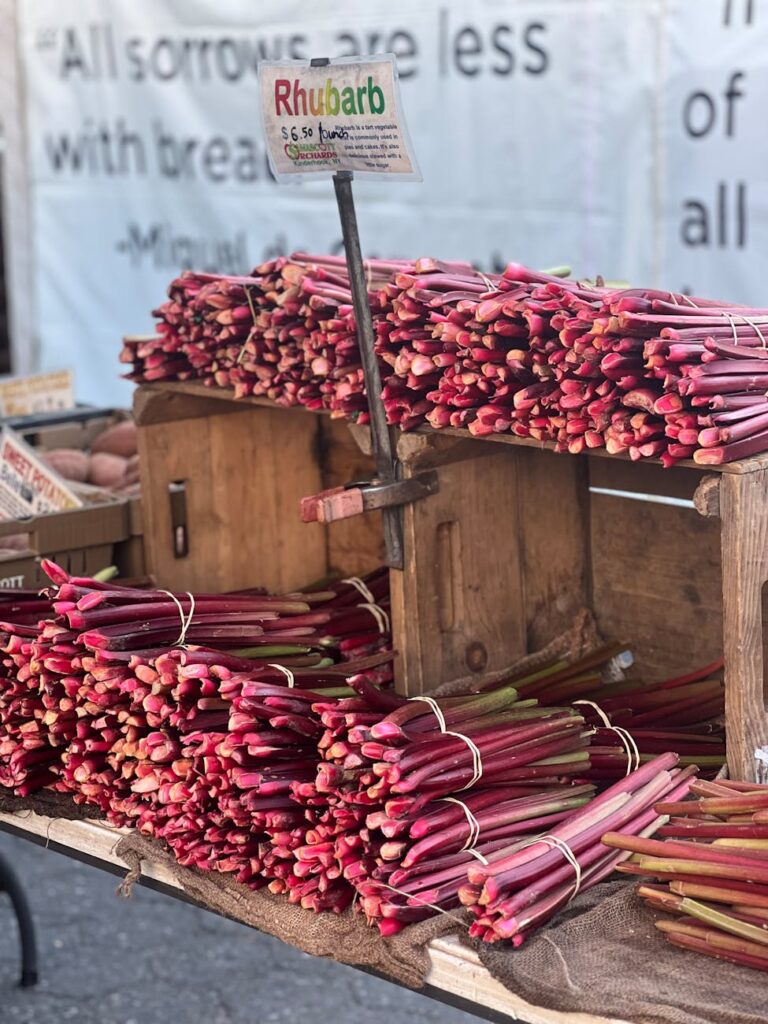
Everything You Need to Know About Rhubarb
Introduction
Rhubarb, often hailed as the “pie plant,” is a unique and versatile ingredient that has captured the hearts of culinary enthusiasts and home cooks alike. While it is frequently associated with sweet desserts, rhubarb’s complex flavor profile, which marries tartness with subtle sweetness, allows it to shine in a variety of dishes. This article delves into the multifaceted world of rhubarb, exploring its history, production, quality, uses, and more.
What Is Rhubarb?
Rhubarb is a perennial plant belonging to the genus Rheum, with the most commonly cultivated species being Rheum rhabarbarum. Its stalks, which can range in color from vibrant green to deep red, are the edible portions of the plant. The leaves, which contain toxic substances such as oxalic acid, should never be consumed. With its unique tart flavor, rhubarb is often used in desserts, jams, and savory dishes, making it a popular ingredient in various cuisines around the world.
History and Origins
Rhubarb’s history can be traced back thousands of years, with its origins believed to be in Central Asia. The Chinese were among the first to cultivate rhubarb for medicinal purposes, utilizing its roots for their purported health benefits. Over time, rhubarb made its way to Europe, where it gained popularity in culinary applications during the 18th century. By the 19th century, it was widely cultivated across North America, especially in the cooler climates where it thrived.
The plant’s association with sweet dishes, particularly pies, emerged in the 19th century when sugar became more widely available. This shift not only transformed rhubarb into a beloved dessert ingredient but also solidified its place in American culinary culture.
Production and Processing
Rhubarb is primarily grown in temperate regions, with the United States, Canada, and parts of Europe being significant producers. The ideal growing conditions for rhubarb include well-drained soil, full sun, and a cooler climate. The plant thrives in a variety of soil types but prefers rich, fertile soil that is high in organic matter.
Harvesting typically occurs in late spring to early summer when the stalks are firm and vibrant. Care should be taken to cut the stalks close to the base, allowing the plant to continue growing. Post-harvest, rhubarb is often cleaned, trimmed, and packaged for distribution.
In terms of processing, rhubarb can be preserved through various methods, including freezing, canning, and drying. Each of these methods retains some of the plant’s tart flavor while extending its shelf life and versatility in culinary applications.
Quality and Grading
When purchasing rhubarb, quality is paramount. High-quality rhubarb should have firm, crisp stalks that are free from blemishes and discoloration. The color can vary, but vibrant red stalks are often preferred for their visual appeal and flavor intensity. Green stalks are also acceptable but may have a milder taste.
Grading standards for rhubarb typically focus on size, color, and texture. Stalks should be uniform in size and ideally measure about 12 to 18 inches in length. The absence of soft spots, bruising, or signs of decay is crucial for determining quality. Buyers should also look for rhubarb that is fresh and has not been stored for extended periods, as older rhubarb can lose its flavor and texture.
Buying Considerations
When selecting rhubarb, whether at a farmer’s market, grocery store, or specialty shop, there are several factors to consider:
1. Seasonality: Rhubarb is typically in season from late spring to early summer. Purchasing during this time ensures optimal freshness and flavor.
2. Color and Firmness: As mentioned earlier, vibrant color and firmness are indicators of quality. Avoid stalks that appear wilted or limp.
3. Source: Whenever possible, buy from local producers or organic farms. This not only supports local agriculture but often results in fresher produce.
4. Storage Conditions: Ensure that the rhubarb has been stored properly, ideally in a cool, dry place or refrigerated to maintain its quality.
5. Specialty Varieties: Certain heirloom varieties of rhubarb may offer unique flavors and colors, making them an interesting choice for culinary experimentation.
Uses and Applications
Rhubarb is incredibly versatile and can be incorporated into a wide array of dishes. While it is most commonly associated with sweet preparations, such as pies, crumbles, and jams, its tartness can also complement savory dishes. Here are some notable applications:
1. Desserts: Rhubarb pairs exceptionally well with strawberries, apples, and other fruits, creating delightful duos in pies and crumbles. Its tartness balances the sweetness of sugar, making it an excellent choice for desserts.
2. Preserves and Sauces: Rhubarb can be cooked down with sugar to create jams, jellies, or sauces that serve as delicious spreads or toppings.
3. Savory Dishes: The tartness of rhubarb can enhance savory dishes, such as braised meats or as a tangy component in salads. Its acidity can also serve as a natural tenderizer for meats.
4. Beverages: Rhubarb can be infused in syrups or used to create refreshing cocktails, providing a unique twist to classic drinks.
5. Pickling: The tartness of rhubarb makes it an intriguing candidate for pickling, adding an exciting flavor element to charcuterie boards or sandwiches.
Storage and Shelf Life
Proper storage is essential for maintaining the quality of rhubarb. Fresh rhubarb should be kept in the refrigerator, ideally wrapped in