
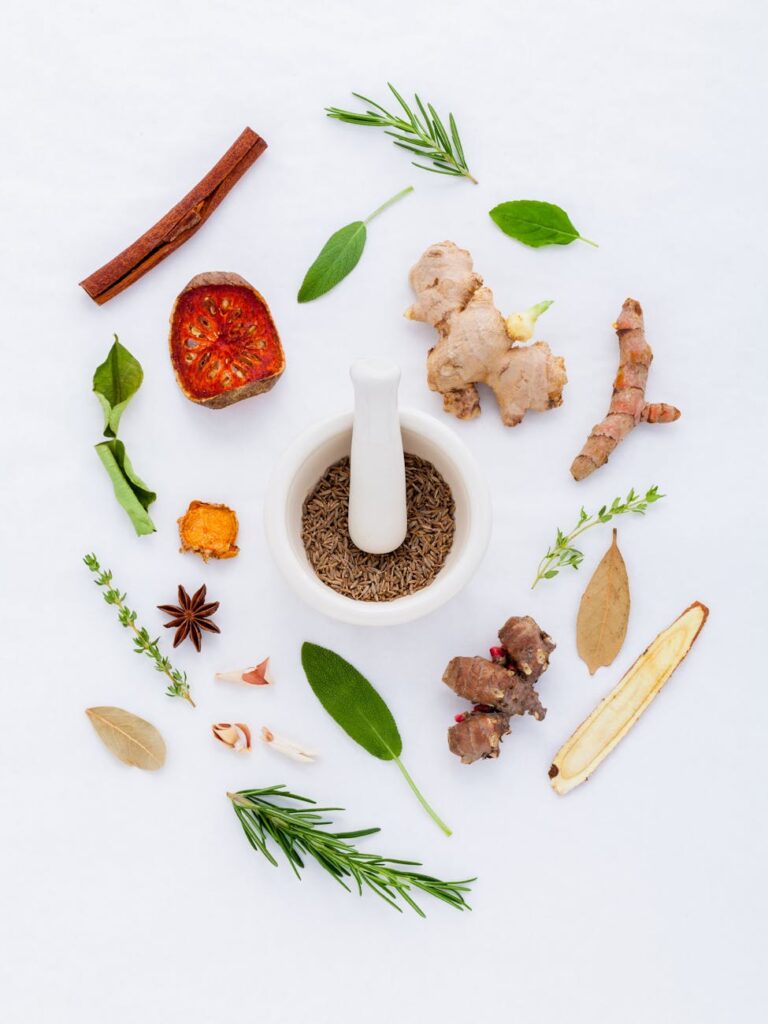
Everything You Need to Know About Rosemary
Introduction
Rosemary (Rosmarinus officinalis) is a perennial herb belonging to the mint family, known for its distinctive aroma and flavor. A staple in Mediterranean cuisine, rosemary has transcended its culinary roots to become an integral part of various cultural traditions and health practices. This article delves into the multifaceted world of rosemary, offering insights into its history, production, quality, uses, and much more.
What Is Rosemary?
Rosemary is an aromatic evergreen shrub characterized by its needle-like leaves and small, pale blue flowers. Native to the Mediterranean region, this herb thrives in warm climates and well-drained soil. Its name derives from Latin, meaning “dew of the sea,” reflecting its natural habitat along coastal cliffs. Rosemary is revered not only for its culinary uses but also for its potential aromatic and sensory benefits, making it a popular choice in both kitchens and aromatic therapies.
History and Origins
Rosemary has a rich history that dates back thousands of years. Ancient Greeks and Romans considered it a symbol of remembrance and fidelity, often using it in weddings and funerals. In medieval Europe, rosemary was believed to ward off evil spirits and was frequently employed in various medicinal preparations.
The herb’s cultivation spread from the Mediterranean to other parts of the world, including North America, where it became a popular garden plant. Its significance has been documented in literature, with notable mentions in works by Shakespeare and Pliny the Elder, further solidifying its status in cultural history.
Production and Processing
Cultivation
Rosemary thrives in regions with a Mediterranean climate, characterized by hot, dry summers and mild, wet winters. Commercially, it is often grown in well-drained sandy or loamy soils, requiring full sun exposure for optimal growth. Propagation typically occurs through cuttings or seeds, with cuttings being the preferred method for maintaining specific cultivars.
Harvesting
Harvesting rosemary is usually done by hand, with care taken to avoid damaging the plant. The best time to harvest is just before the flowers bloom, as this is when the essential oil concentration is at its peak. The leaves can be used fresh or dried, with drying often done in shaded, well-ventilated areas to preserve flavor and aroma.
Processing
Once harvested, rosemary can undergo various processes depending on its intended use. Fresh rosemary is often bundled and sold in markets, while dried rosemary is typically crushed or ground for seasoning applications. Essential oil extraction from rosemary leaves also occurs through steam distillation, creating a highly concentrated product used in aromatherapy and cosmetics.
Quality and Grading
The quality of rosemary can vary significantly based on several factors, including the growing conditions, harvesting methods, and post-harvest processing. High-quality rosemary is vibrant green, aromatic, and free from blemishes or discoloration.
Grading Standards
- Grade A: This is the top tier, featuring fresh, whole leaves with a robust aroma and flavor.
- Grade B: These are dried leaves with a somewhat muted aroma and may contain some broken pieces.
- Grade C: This grade includes lower-quality leaves, often fragmented and lacking in strong aroma.
- Appearance: Look for vibrant green leaves without browning or wilting.
- Aroma: A strong, fresh scent is indicative of high quality.
- Storage: Fresh rosemary should be stored in a cool, dry place or in the refrigerator, ideally wrapped in a damp paper towel.
- Packaging: Choose products in opaque containers to protect against light degradation.
- Origin: Look for information regarding the source, as some regions produce higher-quality rosemary than others.
- Brand Reputation: Opt for brands known for rigorous quality testing and ethical sourcing.
- Myth: Rosemary is only used in Mediterranean dishes.
- Fact: While it is a staple in Mediterranean cuisine, rosemary is versatile and can enhance dishes across various culinary traditions.
- Myth: Dried rosemary is inferior to fresh rosemary.
- Fact: While fresh rosemary has a more vibrant flavor, dried rosemary can still provide robust flavor and is particularly useful in long-cooking dishes where its oils can fully infuse.
- Myth: All rosemary varieties are the same.
- Fact: There are several varieties of rosemary, each with unique flavor profiles and aromatic qualities. For example, the “Tuscan Blue” variety is known for its intense flavor, while “Arp” is recognized for its cold hardiness.
When purchasing rosemary, consumers should seek suppliers that adhere to stringent quality control measures to ensure the best product.
Buying Considerations
When selecting rosemary, whether fresh or dried, several factors should be taken into account:
Fresh Rosemary
Dried Rosemary
Uses and Applications
Rosemary is highly versatile, finding applications across culinary, cosmetic, and therapeutic domains.
Culinary Uses
In cooking, rosemary is often used to flavor meats, particularly lamb and poultry, as well as vegetables and marinades. Its robust flavor pairs well with garlic and lemon, adding depth to dishes.
Aromatherapy
The essential oil of rosemary is frequently used in aromatherapy for its stimulating properties. It is believed to enhance cognitive function and alleviate stress, making it a popular choice in wellness practices.
Cosmetic Applications
Due to its antioxidant and antimicrobial properties, rosemary oil is commonly found in skincare and haircare products. It may contribute to improved scalp health and is often used in formulations designed to promote hair growth.
Storage and Shelf Life
Fresh Rosemary
Fresh rosemary can last up to two weeks when stored properly. To extend its shelf life, it can be placed in a glass of water like a bouquet or wrapped in a damp paper towel and stored in a plastic bag in the refrigerator.
Dried Rosemary
Dried rosemary has a significantly longer shelf life, typically lasting about one to three years if stored in a cool, dark place away from moisture and heat. However, the flavor and aroma may diminish over time, so it’s best to use it within the first year for optimal quality.
Common Misconceptions
Despite its popularity, several misconceptions about rosemary persist:
Frequently Asked Questions
1. What is the best way to use rosemary in cooking?
Rosemary is best used in dishes that require longer cooking times, such as roasts, stews, and marinades. Its flavor develops beautifully when cooked slowly, allowing its oils to infuse the dish.
2. Can I grow rosemary indoors?
Yes, rosemary can be grown indoors, provided it receives ample sunlight. A south-facing window is ideal. Ensure adequate drainage and avoid overwatering to keep the plant healthy.
3. Is rosemary safe to consume in large quantities?
While rosemary is generally safe in culinary amounts, excessive consumption may lead to digestive issues. As with any herb, moderation is key.
4. Can rosemary be frozen for later use?
Yes, rosemary can be frozen. It is best to chop the leaves and freeze them in ice cube trays with water or oil. This method preserves flavor and makes it convenient to use in future dishes.
5. How can I tell if dried rosemary has gone bad?
Dried rosemary may lose its aroma and flavor over time. If it has developed a musty smell or shows signs of mold, it should be discarded.
6. Are there different types of rosemary?
Yes, there are several varieties of rosemary, including “Tuscan Blue,” “Arp,” and “Prostratus.” Each variety has unique characteristics and flavor profiles, making them suitable for different culinary applications.
Conclusion
Rosemary is a multifaceted herb that boasts a rich history, diverse applications, and distinctive qualities. Whether used in culinary creations, cosmetic formulations, or wellness practices, its aromatic presence enriches our lives in myriad ways. Understanding its origins, production, and proper usage can enhance appreciation for this remarkable ingredient, ensuring that it continues to be a beloved staple around the world for generations to come.