
Everything You Need to Know About Savoy Cabbage
Introduction
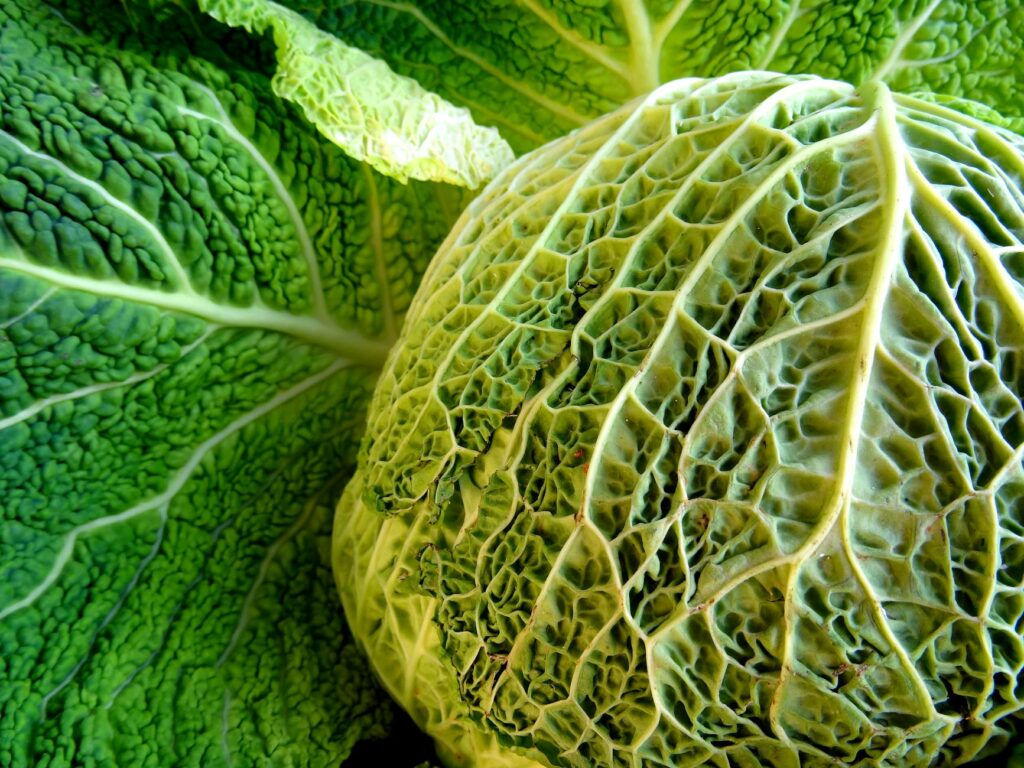
Savoy cabbage, a leafy green vegetable, belongs to the Brassica oleracea species, which also includes other popular vegetables like broccoli, kale, and cauliflower. Known for its crinkled leaves and mild flavor, Savoy cabbage has gained considerable attention in the culinary world. This article provides an in-depth look at Savoy cabbage, covering its history, production, uses, and more, ensuring that you have a comprehensive understanding of this versatile ingredient.
What Is Savoy Cabbage?
Savoy cabbage is characterized by its unique appearance, featuring soft, crinkled leaves that are typically a vibrant green. Unlike its more common counterparts, such as green and red cabbage, Savoy cabbage has a more delicate texture and a milder flavor profile. It can be enjoyed both raw and cooked, making it a popular choice in various cuisines around the globe.
History and Origins
Savoy cabbage traces its origins back to Europe, particularly the Mediterranean region. It is believed to have been cultivated since antiquity, with references to its use found in ancient Roman texts. The modern variety that we are familiar with today was developed in the 18th century. The name “Savoy” is derived from the Savoy region in France, where this type of cabbage was extensively cultivated.
The cultivation of Savoy cabbage spread throughout Europe and eventually made its way to North America in the 19th century. Its adaptability to various climates and soil conditions has allowed it to thrive in diverse agricultural settings, making it a staple in many households.
Production and Processing
Cultivation
Savoy cabbage is typically grown in temperate climates, thriving in well-drained, fertile soils with a pH between 6.0 and 6.8. It is a cool-season crop, best sown in late summer or early spring. The seedlings require about 60 to 100 days from planting to harvest, depending on the variety and growing conditions.
Harvesting
Harvesting Savoy cabbage is a labor-intensive process. The heads are usually cut by hand, ensuring that they are picked at the right stage of maturity. Farmers look for heads that are firm and dense, with leaves that are vibrant in color and free from blemishes.
Processing
After harvesting, Savoy cabbage undergoes careful processing to ensure its quality. This involves washing, trimming, and packaging. It is often sold fresh, but can also be processed for freezing or pickling, extending its shelf life and usability.
Quality and Grading
When assessing the quality of Savoy cabbage, several factors come into play:
- Appearance: Fresh Savoy cabbage should have vibrant green leaves, with a firm and dense head. Any signs of wilting, discoloration, or pest damage can indicate poor quality.
- Size and Weight: High-quality heads are typically heavier for their size, indicating a dense core. Cabbages are usually sold by weight.
- Freshness: The leaves should be crisp and moist, not dry or limp, which suggests that the cabbage is past its prime.
- Raw: Its mild flavor and crisp texture make it an excellent addition to salads and slaws. It can be finely shredded to enhance the freshness of a dish.
- Cooked: Savoy cabbage can be sautéed, steamed, or stir-fried. It retains its vibrant color and nutritional value even with minimal cooking.
- Stuffed: The leaves can be blanched and used to wrap fillings, making them a popular choice in dishes like cabbage rolls.
- Soups and Stews: Savoy cabbage adds depth and nutrition to soups, stews, and broths, complementing a variety of ingredients.
- Fermented: Like other cabbages, Savoy can also be fermented to create sauerkraut or kimchi, enhancing its flavor and preserving it for longer periods.
- Refrigeration: Store Savoy cabbage in the crisper drawer of your refrigerator, ideally wrapped in a damp paper towel and placed in a perforated plastic bag. This helps retain moisture while allowing for air circulation.
- Shelf Life: When properly stored, Savoy cabbage can last for about one to two weeks. However, it is best consumed within the first week for optimal freshness.
- Freezing: If you have excess Savoy cabbage, it can be blanched and frozen for later use. It is advisable to cut it into smaller pieces before blanching to facilitate even cooking when thawed.
- Savoy Cabbage vs. Regular Cabbage: Many believe that
Grading standards may vary by region, but generally, Savoy cabbage is classified into different grades based on these quality indicators.
Buying Considerations
When purchasing Savoy cabbage, consider the following tips to ensure you select the best quality:
1. Seasonality: Savoy cabbage is typically in season from late fall to early spring. Purchasing during this time often yields the freshest product.
2. Local vs. Imported: Whenever possible, opt for local varieties. They are generally fresher and may have a superior flavor compared to imported options.
3. Storage Conditions: Check the storage conditions at the point of sale. Cabbage should be kept cool and moist to maintain its freshness.
4. Organic vs. Conventional: If you prefer organic produce, look for certified organic labels. Organic Savoy cabbage is grown without synthetic pesticides and fertilizers.
Uses and Applications
Savoy cabbage is an incredibly versatile ingredient that can be utilized in various culinary applications:
Storage and Shelf Life
Proper storage is crucial to extending the shelf life of Savoy cabbage. Here are some guidelines:
Common Misconceptions
Several misconceptions surround Savoy cabbage that can lead to confusion. Here are a few clarifications: