
Everything You Need to Know About Sea Urchin
Introduction
Sea urchins, often considered a delicacy in various cuisines, have captivated the palates of food enthusiasts around the globe. Known for their unique flavor profile and striking appearance, these spiny marine creatures are more than just an exotic ingredient; they are a symbol of culinary refinement. This comprehensive guide will explore everything from the biology of sea urchins to their culinary uses, ensuring you gain a well-rounded understanding of this fascinating ingredient.
What Is Sea Urchin?
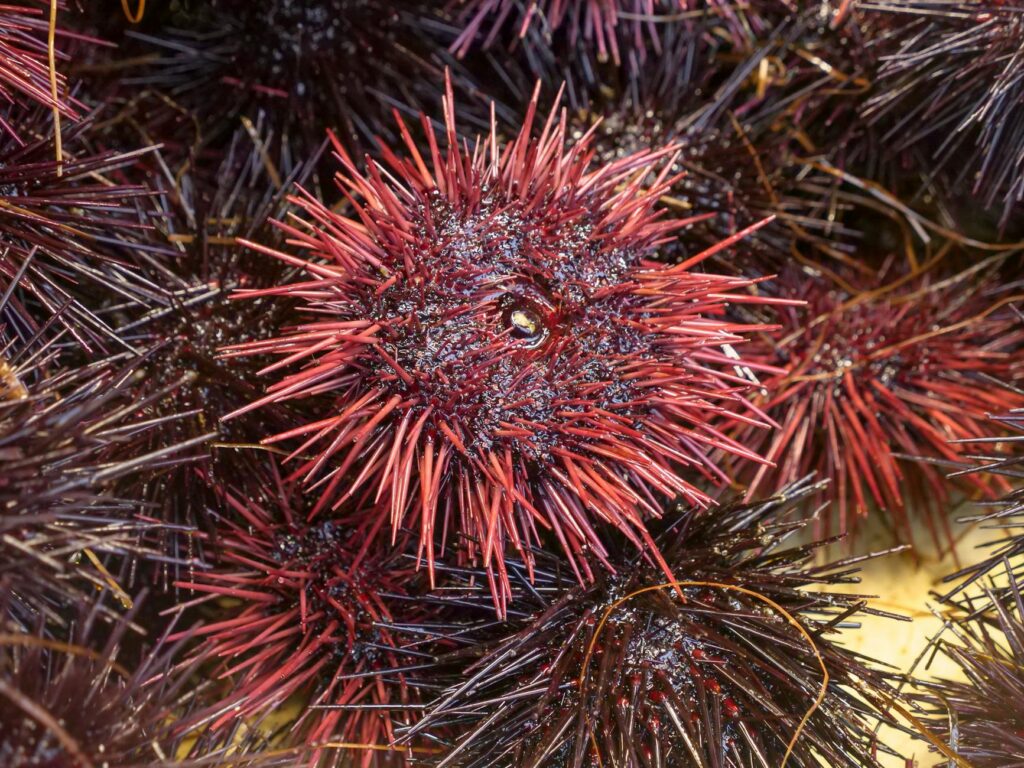
Sea urchins are small, spiny echinoderms belonging to the class Echinoidea. They reside primarily in shallow marine environments, often hiding among rocks and coral. Their bodies are typically round and covered in spines, which serve as a defense mechanism against predators. The edible part of the sea urchin is known as the “uni,” which is the gonads of the creature, typically yellow or orange in color. This delicacy is highly sought after for its creamy texture and briny, ocean-like flavor.
History and Origins
The culinary history of sea urchins dates back centuries, with evidence suggesting their consumption in ancient civilizations. In Japan, uni has been appreciated for over a thousand years, particularly in sushi and sashimi dishes. The delicacy has also found a place in Mediterranean cuisine, where it is often used in pasta and seafood dishes. Today, countries such as Japan, the United States, and parts of Europe are key players in sea urchin production and consumption, making it a global culinary treasure.
Production and Processing
The production of sea urchins involves harvesting them from their natural habitats, usually through diving or trapping methods. The harvesting season varies by region, often depending on water temperature and ecological factors. Once collected, sea urchins are typically processed to extract the uni. This process involves:
1. Cleaning: The shells are carefully scrubbed to remove any debris.
2. Opening: Skilled workers use specialized tools to open the shells without damaging the delicate gonads.
3. Extraction: The uni is carefully removed and inspected for quality.
4. Packaging: The uni is typically packed in containers filled with ice or preserved in brine to maintain freshness.
Sustainability is increasingly important in sea urchin harvesting, with many producers adhering to practices that ensure the long-term health of urchin populations and their ecosystems.
Quality and Grading
Quality and grading of sea urchin are essential factors that determine its market value and culinary applications. The grading system can vary by region, but generally considers several criteria:
- Color: High-quality uni should be a vibrant orange or yellow hue, indicating ripeness.
- Texture: The uni should be creamy and smooth, not grainy or overly firm.
- Flavor: Fresh uni should have a briny, sweet flavor reminiscent of the ocean, without any off-putting fishy notes.
- Freshness: The time from harvest to consumption affects quality; fresher uni is always preferable.
- Sushi and Sashimi: Uni is commonly served raw, often placed atop sushi rice or as part of sashimi platters.
- Pasta Dishes: Sea urchin adds a luxurious touch to pasta, often incorporated into creamy sauces or served as a topping.
- Soups and Broths: The flavor of sea urchin can enhance seafood soups and broths, imparting a rich, oceanic essence.
- Salads: Uni can be used in salads, adding a creamy texture and unique flavor that pairs well with various ingredients.
- Garnishes: Chefs often use uni as a garnish to elevate the presentation and flavor of various dishes.
- Refrigeration: Fresh uni should be stored in the refrigerator at temperatures between 32°F and 38°F (0°C and 3°C) to ensure its longevity.
- Use of Ice: It’s advisable to keep uni on ice in a sealed container to maintain optimal freshness.
- Shelf Life: Fresh uni typically has a shelf life of 48 to 72 hours after harvest. For longer storage, it can be frozen, although this may affect its texture.
- Signs of Spoilage: Avoid uni that has an off odor, dull color, or slimy texture, as these are indicators of spoilage.
- Uni Is Fishy: Many people assume that sea urchin has a strong fishy taste. In reality, high-quality uni should have a mild, briny flavor that reflects its oceanic origins.
- Sea Urchin Is Only for Sushi: While sushi is a popular application for sea urchin, it can be used in various dishes, including pasta, soups, and salads.
- All Sea Urchin Is the Same: The flavor, texture, and quality of sea urchin can vary significantly based on species, harvest location, and processing methods.
- Uni Should Be Eaten Raw: While raw uni is the most traditional preparation, cooked preparations can also showcase its unique flavor and texture.
Grading is typically done by trained professionals who evaluate these characteristics to ensure that consumers receive the best possible product.
Buying Considerations
When purchasing sea urchin, several factors should be considered to ensure quality and sustainability:
1. Source: Always inquire about the source of the sea urchin. Sustainable harvesting practices are critical for the environment.
2. Freshness: Look for uni that has been harvested recently, ideally within the last few days. Fresh uni should be refrigerated and kept on ice.
3. Color and Texture: Choose uni that is bright in color and has a smooth texture. Avoid any that appear dull or dry.
4. Packaging: If purchasing pre-packaged uni, check for proper sealing and expiration dates.
5. Local Markets: Consider buying from local seafood markets or trusted suppliers who specialize in high-quality seafood products.
Uses and Applications
Sea urchin is a versatile ingredient widely used in various culinary applications. Its unique flavor and texture make it suitable for a range of dishes, including:
The versatility of sea urchin allows chefs to experiment and innovate, making it a beloved ingredient in high-end culinary circles.
Storage and Shelf Life
Proper storage is crucial for maintaining the freshness and quality of sea urchin. Here are some key points regarding storage and shelf life:
Common Misconceptions
Despite its esteemed status in the culinary world, several misconceptions about sea urchin persist:
Understanding these misconceptions can enhance appreciation for this complex ingredient.
Frequently Asked Questions
1. What does sea urchin taste like?
Sea urchin has a unique, briny flavor with creamy undertones, often described as reminiscent of the ocean. The taste can vary based on the species and habitat.
2. How can I tell if sea urchin is fresh?
Fresh sea urchin should have a bright color, a smooth texture, and a mild oceanic scent. It should not have any unpleasant odors or a dull appearance.
3. Is sea urchin safe to eat raw?
Yes, sea urchin is commonly consumed raw in sushi and sashimi dishes. However, ensure that it is sourced from reputable suppliers and handled properly to minimize any health risks.
4. Can I freeze sea urchin?
While fresh uni has a limited shelf life, it can be frozen for longer storage. However, freezing may alter its texture, making it less desirable for raw consumption.
5. Where can I buy sea urchin?
Sea urchin can be purchased at local seafood markets, specialty grocery stores, and online seafood suppliers. Always inquire about the source and freshness.
6. Are there different types of sea urchin?
Yes, there are various species of sea urchin, each with its unique flavor profile. The most commonly consumed varieties include the Japanese purple sea urchin and the red sea urchin found in North America.
Conclusion
Sea urchin stands as a testament to the ocean’s bounty, offering a unique gastronomic experience that resonates with both chefs and food lovers alike. By understanding its origins, production, and culinary applications, you can appreciate this exquisite ingredient more deeply. Whether enjoyed in its traditional forms or creatively incorporated into modern cuisine, sea urchin continues to inspire culinary innovation and delight palates around the world.