
Everything You Need to Know About Sumac
Introduction
Sumac is a unique and versatile spice that has been a staple in various cuisines for centuries. With its tangy, lemony flavor profile, sumac adds a distinctive zing to dishes, making it a favored ingredient in Middle Eastern, Mediterranean, and even some North African cuisines. This comprehensive guide explores the multifaceted world of sumac, detailing its origins, production, culinary uses, and much more, providing both culinary enthusiasts and professionals with the essential information they need to appreciate this remarkable ingredient.
What Is Sumac?
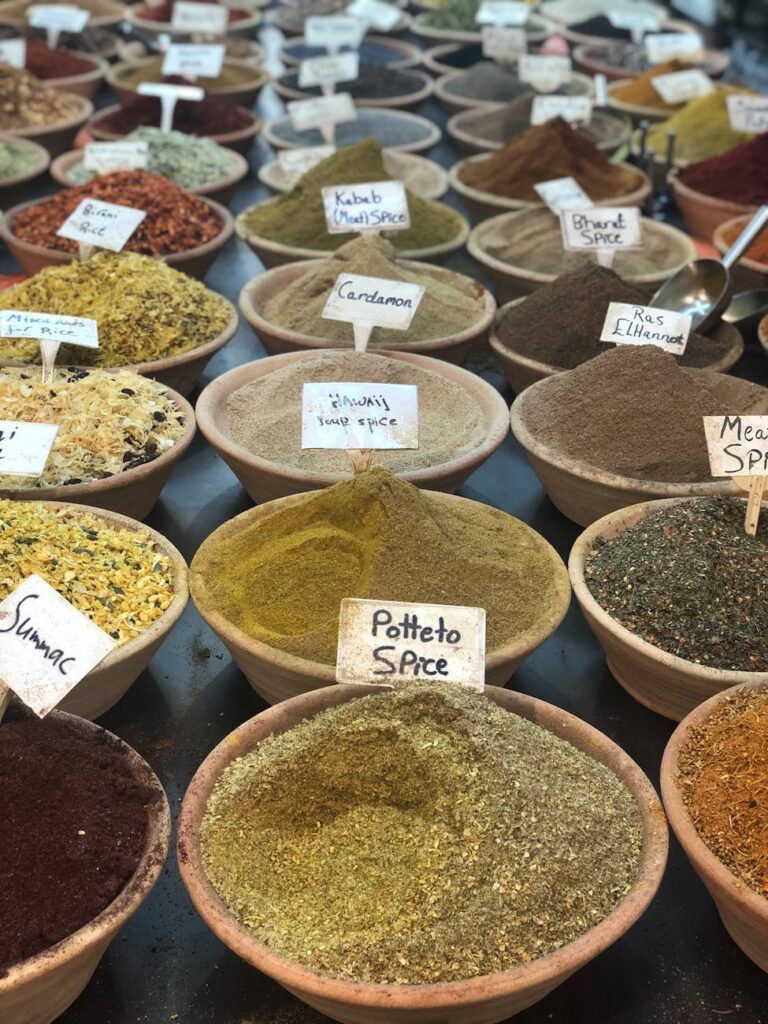
Sumac refers to the dried, ground berries of the Rhus genus, particularly Rhus coriaria. This spice is characterized by its deep red to purplish hue and its tart, citrus-like flavor, which is often compared to that of lemon juice or vinegar. In culinary applications, sumac is not merely a seasoning; it can also serve as a garnish, providing both flavor and visual appeal. Its distinct taste has made it a coveted ingredient in various traditional dishes, from salads to grilled meats.
History and Origins
The history of sumac dates back thousands of years, with its use documented in ancient civilizations across the Mediterranean and the Middle East. It is believed that the ancient Egyptians utilized sumac for culinary and medicinal purposes. As trade routes developed, the spice spread throughout the region, becoming a popular ingredient in Persian and Turkish cuisines.
In the Middle Ages, sumac was valued not only as a food seasoning but also for its potential preservative qualities. Today, sumac is still commonly used in countries such as Lebanon, Turkey, and Iran, where it is often found in spice blends like za’atar.
Production and Processing
Sumac is primarily harvested in the Mediterranean region, particularly in countries like Turkey, Syria, and Iran. The berries are typically collected during late summer. After harvesting, the berries are dried in the sun or through mechanical means to preserve their flavor and color.
Once dried, the berries are ground into a fine powder. The quality of sumac can vary significantly depending on the processing techniques used and the region from which it is sourced. Authentic sumac is known for its vibrant color and robust flavor, while lower-quality products may be duller in appearance and taste.
Quality and Grading
The quality of sumac is influenced by several factors, including its color, aroma, and flavor intensity. High-quality sumac should exhibit:
- Color: A rich, deep red to purple hue, indicative of high antioxidant content.
- Aroma: A strong, tangy scent that is pleasant and fresh.
- Flavor: A bright, tart taste that is not overly bitter or earthy.
- Seasoning: Sumac is frequently sprinkled over salads, meats, and fish to add a burst of flavor. It is particularly popular in dishes like fattoush and kebabs.
- Marinades: The spice can be incorporated into marinades for meats, imparting a tangy flavor that complements grilled or roasted dishes.
- Condiments: Sumac can be mixed into dips, such as yogurt or tahini-based sauces, to bring a refreshing acidity.
- Garnishing: Its vibrant color makes sumac a visually appealing garnish for dishes, providing both aesthetic and flavor enhancement.
- Baking: In some regions, sumac is used in baked goods, either as a flavoring agent or as part of spice blends.
- Container: Store sumac in an airtight container to protect it from moisture and air, both of which can diminish its flavor.
- Location: Keep the container in a cool, dark place, away from direct sunlight and heat sources. An ideal location is a pantry or spice cabinet.
- Shelf Life: Ground sumac typically retains its peak flavor for about six months to a year when stored correctly. Whole berries may last longer but should still be monitored for freshness.
When purchasing sumac, it is essential to look for reputable brands and suppliers who prioritize quality. Some producers may mix sumac with fillers or other spices to reduce costs, compromising the integrity of the product.
Buying Considerations
When shopping for sumac, consider the following factors to ensure you choose the best quality:
1. Form: Sumac is available in both whole berry and ground forms. Ground sumac is more convenient for immediate use, while whole berries can be ground fresh for enhanced flavor.
2. Packaging: Opt for products in opaque packaging to protect against light exposure, which can degrade the spice over time.
3. Source: Look for sumac sourced from reputable regions known for high-quality production. Turkish and Syrian sumac are often regarded as the best.
4. Certifications: If you are concerned about sustainability or ethical sourcing, check for certifications that indicate responsible farming and harvesting practices.
5. Freshness: Check the packaging for a best-before date to ensure you are purchasing a fresh product.
Uses and Applications
Sumac is an incredibly versatile ingredient that can enhance a wide variety of dishes. Here are some common applications:
Storage and Shelf Life
To maintain the quality of sumac, proper storage is crucial. Here are some tips:
Regularly check for any signs of spoilage, such as loss of color or off odors, and replace your supply as needed.
Common Misconceptions
Despite its growing popularity, several misconceptions about sumac persist:
1. Sumac is Poisonous: While some species of the Rhus plant can be toxic, Rhus coriaria, the variety used for culinary purposes, is safe to consume.
2. Sumac is Just a Substitute for Lemon: While sumac shares a tangy profile with lemon, it has a unique flavor that cannot be entirely replicated. It offers earthiness and complexity that enhances dishes in ways lemon cannot.
3. All Sumac is Created Equal: The quality of sumac can vary widely based on its source and processing methods. Not all sumac has the same flavor intensity or color.
4. Sumac is Only for Middle Eastern Cuisine: Although it is a staple in Middle Eastern dishes, sumac can be creatively used in various cuisines, from salads to marinades and even baked goods.
Frequently Asked Questions
1. Is sumac gluten-free?
Yes, sumac is naturally gluten-free, making it suitable for those with gluten sensitivities or celiac disease.
2. Can I use sumac in place of lemon juice?
While sumac can provide a similar tartness, it has its unique flavor profile. It can be used as a complementary ingredient rather than a direct substitute for lemon juice.
3. How can I tell if my sumac has gone bad?
If your sumac has lost its vibrant color, aroma, or flavor, it is likely past its prime. Check for off odors or a dull appearance as indicators of spoilage.
4. Can sumac be used in desserts?
While not commonly used in sweet dishes, sumac can add an interesting twist to certain desserts, especially those that pair well with tart flavors.
5. Is sumac safe for children?
Yes, sumac is generally safe for children when used in culinary applications, as long as they are not allergic to it.
6. Where can I buy high-quality sumac?
High-quality sumac can be found in specialty spice shops, Middle Eastern markets, or online retailers that focus on authentic spices.
Conclusion
Sumac is a remarkable spice that enhances dishes with its unique flavor and vibrant color. Understanding its history, production, and applications allows culinary enthusiasts to appreciate and utilize this ingredient fully. As global cuisine continues to evolve, sumac remains a timeless and versatile ingredient worthy of a place in every kitchen. Whether you are a home cook or a professional chef, embracing sumac opens up a world of culinary possibilities that can elevate your dishes to new heights.