
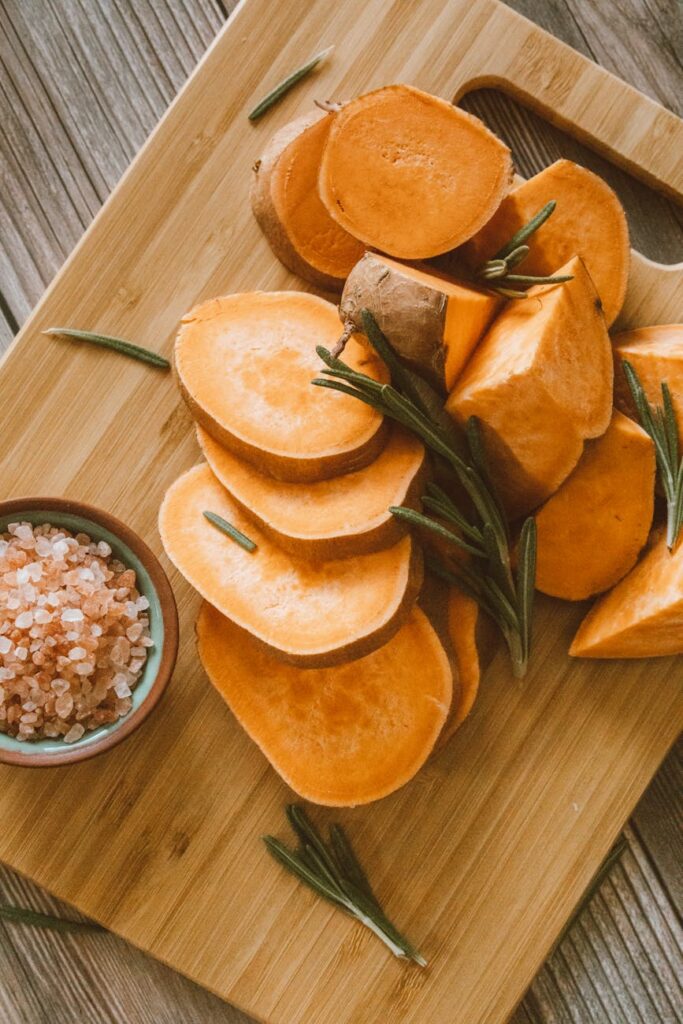
Everything You Need to Know About Sweet Potato
Introduction
Sweet potatoes, with their vibrant hues ranging from deep orange to creamy white, are celebrated not just for their nutritional benefits but also for their versatility in culinary applications. This tuber, belonging to the Convolvulaceae family, has transcended its humble origins to become a staple food in many cultures. This article provides a comprehensive overview of sweet potatoes, exploring their history, production, grading, purchasing considerations, and more.
What Is Guides?
“Guides” in the context of food ingredients refer to curated collections of information that serve to educate consumers, chefs, and food enthusiasts about specific ingredients. Guides offer insights into the characteristics, uses, and best practices associated with ingredients like sweet potatoes. They may include details on quality grading, storage methods, and common misconceptions, as well as practical tips for selection and preparation.
History and Origins
Sweet potatoes trace their roots back over 5,000 years to Central and South America, where they were first cultivated by indigenous populations. Archaeological findings suggest that they were a key food source long before European contact. The Spanish and Portuguese explorers are credited with bringing sweet potatoes to Europe in the 16th century, where they eventually spread to other continents, including Africa and Asia.
Today, sweet potatoes are grown in various regions worldwide, thriving in warm, humid climates. The United States is one of the largest producers, especially in states like North Carolina, Louisiana, and Mississippi. Their adaptability and resilience have made them a crucial crop in many developing countries, where they contribute to food security and nutrition.
Production and Processing
Sweet potatoes are typically grown in well-drained, sandy loam soils that receive ample sunlight. They are cultivated as annuals, requiring a growing season of approximately 90 to 120 days. The tubers are usually harvested in the fall when they have reached maturity.
Once harvested, sweet potatoes undergo processing to enhance their shelf life and usability. Common methods include curing, which involves storing the tubers in a warm, humid environment for several days. This process helps to convert starches into sugars, improving flavor and texture. After curing, they are often graded and packaged for distribution, ensuring that only quality produce reaches consumers.
Quality and Grading
The quality of sweet potatoes is crucial, especially for commercial markets. Grading is typically based on several factors, including size, shape, color, and absence of blemishes or decay. The U.S. Department of Agriculture (USDA) has established grading standards for sweet potatoes, categorizing them into three main grades:
1. U.S. No. 1: This grade represents high-quality sweet potatoes that are firm, smooth, and free from defects.
2. U.S. No. 2: This grade allows for some minor blemishes and imperfections but still maintains a good quality standard.
3. U.S. No. 3: These sweet potatoes may have more significant defects and are often sold at lower prices, typically for processing.
Consumers are encouraged to look for sweet potatoes that are firm and heavy for their size, with a smooth skin and vibrant color.
Buying Considerations
When purchasing sweet potatoes, several factors should be taken into account to ensure optimal quality and freshness. Here are key considerations:
- Skin Texture: Look for smooth, unblemished skin. Avoid those with cracks, soft spots, or signs of decay.
- Color: The color can vary widely depending on the variety, but it should be consistent and vibrant. Orange-fleshed varieties should have a deep hue, while white-fleshed types should exhibit a creamy color.
- Size and Shape: Choose tubers that are firm and heavy. Irregular shapes can be indicative of poor growth conditions.
- Organic vs. Conventional: Organic sweet potatoes are grown without synthetic pesticides or fertilizers. While they may be more expensive, many consumers prefer them for environmental and health reasons.
- Side Dishes: Sweet potatoes serve as a nutritious base for various side dishes, complementing meats and vegetables.
- Purees: Mashed or pureed sweet potatoes can be used as a flavorful ingredient in soups and sauces.
- Baking: Their natural sweetness makes them an excellent addition to baked goods, such as breads and pies.
- Salads: Roasted sweet potatoes add texture and flavor to salads, offering a hearty component that balances lighter ingredients.
- Snacking: Sweet potato chips and fries are popular snacks that provide a healthier alternative to traditional potato products.
- Sweet Potatoes vs. Yams: Many people confuse sweet potatoes with yams, but they are distinctly different. Yams are a starchy tuber native to Africa and Asia, while sweet potatoes belong to a different botanical family.
- Nutritional Content: Some believe that all sweet potatoes are high in sugar. While they do contain natural sugars, they are also rich in fiber, vitamins, and minerals, making them a nutritious choice.
- Color Equals Flavor: While the orange-fleshed varieties are often sweeter than their white or purple counterparts, flavor can vary significantly based on the specific variety and growing conditions.
Uses and Applications
Sweet potatoes are incredibly versatile in the kitchen, offering numerous culinary applications. They can be boiled, baked, roasted, or mashed, making them suitable for both savory and sweet dishes. Here are some common uses:
Storage and Shelf Life
Proper storage of sweet potatoes is essential to maintain their quality and extend their shelf life. They should be kept in a cool, dark, and well-ventilated space, such as a pantry or basement. Ideal storage temperatures range from 55°F to 60°F (13°C to 16°C).
It’s important to avoid refrigeration, as cold temperatures can negatively affect their flavor and texture. When stored correctly, sweet potatoes can last for several weeks to months. Once cooked, sweet potatoes should be refrigerated and consumed within a few days.
Common Misconceptions
Despite their popularity, several misconceptions about sweet potatoes persist:
Frequently Asked Questions
1. Are sweet potatoes healthier than regular potatoes?
Sweet potatoes are generally considered more nutritious due to their higher vitamin A content, fiber, and lower glycemic index. However, both types of potatoes can be part of a healthy diet.
2. How can I tell if a sweet potato is bad?
Signs of spoilage include soft spots, a foul odor, and visible mold. If the sweet potato has begun to sprout, it may still be safe to eat if the sprouts are removed.
3. Can you eat sweet potato skin?
Yes, sweet potato skin is edible and contains additional nutrients. Be sure to wash them thoroughly before cooking.
4. What is the best way to cook sweet potatoes?
The best cooking method depends on personal preference. Baking retains the most nutrients and enhances sweetness, while boiling is faster and suitable for purees.
5. How can I prepare sweet potatoes in advance?
You can peel and cut sweet potatoes in advance, storing them submerged in water in the refrigerator for up to 24 hours to prevent browning.
6. Are there different varieties of sweet potatoes?
Yes, there are various sweet potato varieties, including Beauregard, Jewel, and Purple. Each has unique flavors, textures, and nutritional profiles.
—
In summary, sweet potatoes are a nutrient-dense food with a rich history and numerous culinary applications. Understanding their origins, quality grading, and storage methods can enhance your appreciation for this versatile ingredient. Whether enjoyed as a side dish, in baked goods, or as a healthy snack, sweet potatoes hold a prominent place in global cuisine and nutrition.