
Everything You Need to Know About Thai Basil
Introduction
Thai basil (Ocimum basilicum var. thyrsiflora) is a fragrant herb that plays a pivotal role in Thai cuisine and various Southeast Asian dishes. Its distinct flavor profile, characterized by a hint of anise and clove, sets it apart from its more commonly known counterpart, sweet basil. In this comprehensive guide, we will delve into the history, production, qualities, and various applications of Thai basil, offering insights that will enhance your understanding and appreciation of this unique ingredient.
What Is Thai Basil?
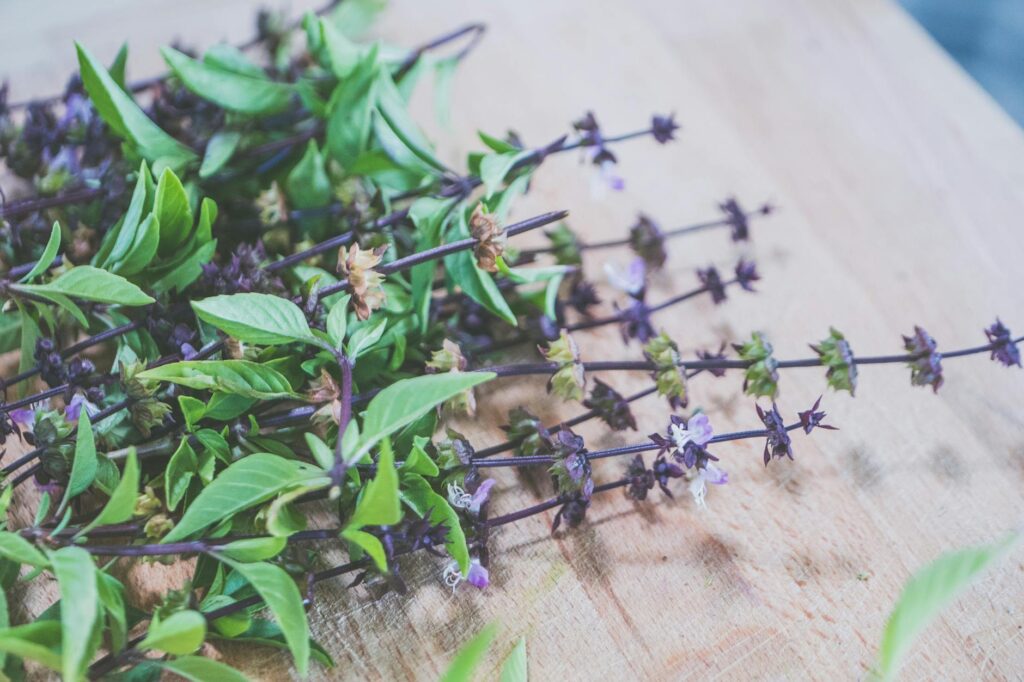
Thai basil is a variety of basil native to Southeast Asia, known for its glossy, pointed leaves and purple stems. Unlike sweet basil, which is often used in Italian dishes and has a sweet flavor, Thai basil offers a spicier, more robust taste. Its aroma is peppery and slightly sweet, making it a favorite in Thai curries, stir-fries, and salads. The herb is often distinguished by its purple flowers, which bloom during the summer months, adding another layer of visual appeal to gardens and culinary presentations.
History and Origins
The origins of Thai basil can be traced back to Southeast Asia, where it has been cultivated for centuries. It is believed to have been used in traditional Thai medicine and culinary practices long before its introduction to Western cuisine. The herb is a staple in Thai cooking, often used in dishes such as Pad Krapow (stir-fried basil) and Tom Yum soup. Its cultivation expanded beyond Thailand, finding a place in Vietnam, Laos, and Cambodia, where it is also a key ingredient in various traditional dishes.
Historically, basil has been associated with various cultural beliefs and practices, often symbolizing love and protection. In Buddhist culture, it is sometimes used in religious ceremonies, reflecting its deep-rooted significance in the region.
Production and Processing
Thai basil is typically grown in warm climates, thriving in well-drained soil with ample sunlight. It can be cultivated in home gardens, pots, or larger agricultural settings. The plant grows to about 12 to 24 inches in height. To ensure optimal growth, regular watering and pruning are necessary, as this encourages bushier plants with more foliage.
Once harvested, Thai basil is usually processed minimally. The leaves are often used fresh, but they can also be dried or frozen for preservation. When drying, it is crucial to do so at low temperatures to retain the herb’s vibrant color and essential oils, which contribute to its aromatic profile. Properly dried Thai basil can still impart much of its characteristic flavor, making it a versatile ingredient year-round.
Quality and Grading
When assessing the quality of Thai basil, several factors are considered, including freshness, color, aroma, and leaf integrity. High-quality Thai basil should exhibit vibrant green leaves, free of blemishes or yellowing. The scent should be intense and aromatic, indicative of its essential oil content.
Grading standards may vary by region, but generally, fresh leaves are categorized into grades based on their appearance and aroma. Premium grades are typically reserved for the freshest, most aromatic leaves, while lower grades may be assigned to wilted or discolored plants.
Buying Considerations
When purchasing Thai basil, whether fresh or dried, there are several factors to consider:
1. Freshness: Look for vibrant green leaves that are firm and aromatic. Avoid any wilted or yellowing leaves, as they indicate age and loss of flavor.
2. Source: If possible, purchase Thai basil from local farmers’ markets or specialty Asian grocery stores that prioritize fresh ingredients over mass-produced options.
3. Organic vs. Conventional: Consider whether you prefer organic herbs, as they are grown without synthetic fertilizers or pesticides, ensuring a cleaner product.
4. Dried Varieties: If buying dried Thai basil, ensure it is stored in airtight containers to preserve flavor and aroma. Look for brands that specify the harvest date for added assurance of quality.
5. Sustainability: Opt for brands that practice sustainable farming methods, contributing to the responsible cultivation of herbs.
Uses and Applications
Thai basil holds a unique position in culinary applications, particularly in Thai and Southeast Asian cuisines. Here are some common uses:
- Stir-Fries: The herb is frequently used in stir-fried dishes, where its flavor can stand up to other bold ingredients.
- Curries: Thai basil is a common addition to various curry dishes, infusing them with its distinctive flavor profile.
- Soups and Salads: The fresh leaves can be used as a garnish in soups or incorporated into salads, adding a burst of flavor.
- Spring Rolls: Fresh Thai basil leaves are often included in fresh spring rolls, complementing other ingredients with their aromatic qualities.
- Garnish: The vibrant leaves are also used as a garnish, enhancing the visual appeal and flavor of many dishes.
- Fresh Thai Basil: Store fresh basil in a glass of water, similar to a bouquet, at room temperature. Cover the leaves loosely with a plastic bag to maintain humidity. This can keep the basil fresh for about a week. Alternatively, you can wrap the leaves in a damp paper towel and place them in a sealed plastic bag in the refrigerator. This method may extend freshness for a few days.
- Dried Thai Basil: Store dried basil in a cool, dark place, in an airtight container to preserve its flavor. When stored properly, dried Thai basil can last for up to a year, although its flavor may diminish over time.
- Freezing: To preserve the vibrant flavor of fresh Thai basil, consider blanching
In addition to its culinary uses, Thai basil is sometimes utilized in beverages and cocktails, adding a refreshing twist to drinks.
Storage and Shelf Life
To maintain the freshness of Thai basil, proper storage techniques are essential. Here are some guidelines: