
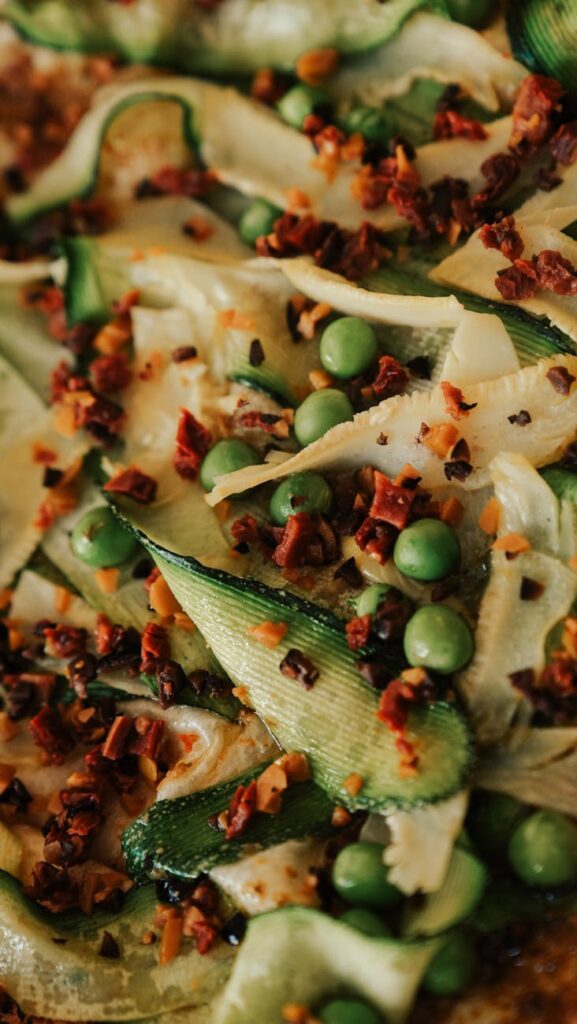
Everything You Need to Know About Zucchini
Introduction
Zucchini, a summer squash belonging to the Cucurbitaceae family, is a versatile ingredient that has garnered attention in culinary circles worldwide. Known for its mild flavor and adaptability, zucchini can be enjoyed in a wide array of dishes, from salads to main courses. This extensive guide delves into the various aspects of zucchini, from its origins to practical buying tips, ensuring you have a comprehensive understanding of this beloved vegetable.
What Is Zucchini?
Zucchini, scientifically known as Cucurbita pepo, is a summer squash that is typically harvested at an immature stage when it is still tender and edible. It can be green, yellow, or striped and is known for its high water content and low calorie count. Zucchini can be consumed raw, cooked, or even spiralized as a pasta substitute, making it a staple in many modern diets, including vegetarian and gluten-free cuisines.
History and Origins
The origins of zucchini can be traced back to Mesoamerica, where squashes were cultivated for thousands of years. The vegetable was first developed in Italy in the 19th century and quickly gained popularity in Europe and North America. Zucchini was introduced to the United States in the early 20th century and has since become a staple in American gardening and cooking. Today, it is cultivated in various climates around the world, benefiting from its ability to thrive in warm weather.
Production and Processing
Zucchini is primarily grown in temperate regions, with the largest producers being the United States, Italy, and Mexico. It flourishes in well-drained soil and requires ample sunlight for optimal growth. The cultivation process generally involves planting seeds in late spring, with harvesting occurring roughly 45 to 55 days later, depending on the variety.
Once harvested, zucchini is often washed and sorted for quality before being packaged for distribution. It can be sold fresh, frozen, or canned, each method preserving the vegetable’s unique texture and flavor profile. The fresh zucchini market is typically characterized by short supply chains, connecting local farmers to consumers directly.
Quality and Grading
When assessing zucchini, quality and grading are crucial for both producers and consumers. The USDA has established standards for grading zucchini, which typically include criteria such as size, shape, color, and the absence of defects. High-quality zucchini should be firm, glossy, and free from blemishes or soft spots.
In the marketplace, zucchini is often categorized into different grades:
- U.S. No. 1: The highest quality, exhibiting smooth skin and uniform size.
- U.S. No. 2: Acceptable quality but may have slight imperfections.
- U.S. No. 3: Lower quality, often sold at a discount, and may be more suited for processing.
- Firm: Avoid any that are soft or have wrinkled skin.
- Small to Medium-Sized: Smaller zucchinis are generally more tender and flavorful, while larger ones can be watery and have a tougher texture.
- Brightly Colored: A vibrant green or yellow hue indicates freshness.
- Raw: Used in salads, crudité platters, and sashimi-style dishes.
- Cooked: Grilled, sautéed, steamed, or roasted, zucchini adds flavor and moisture to dishes like stir-fries and casseroles.
- Spiralized: As a pasta substitute, zucchini noodles (or “zoodles”) have become popular in low-carb and gluten-free recipes.
- Baked: Zucchini can be added to baked goods like muffins and breads, enhancing moisture without overwhelming sweetness.
- Refrigeration: Store zucchini in the vegetable crisper drawer of your refrigerator, ideally in a perforated plastic bag to allow for air circulation.
- Temperature: Keep zucchini at a temperature between 45°F and 50°F (7°C to 10°C) to extend its shelf life.
- Duration: Fresh zucchini can last up to a week in the refrigerator. If it begins to show signs of spoilage, such as soft spots or an off odor, it is best to discard it.
Understanding these grading criteria can help consumers select the best zucchini for their needs.
Buying Considerations
When purchasing zucchini, several factors should be taken into account to ensure freshness and quality. Look for zucchini that is:
Additionally, consider seasonal availability. Zucchini is typically at its peak from late spring to early fall, making this the best time to buy it fresh. If purchasing pre-packaged zucchini, check for a harvest date to ensure optimal quality.
Uses and Applications
Zucchini’s versatility extends far beyond simple side dishes. It can be incorporated into various cuisines and cooking methods, including:
Its ability to absorb flavors makes zucchini an excellent vehicle for spices and sauces, allowing for endless culinary creativity.
Storage and Shelf Life
Proper storage of zucchini is essential to maintain its freshness. Here are some guidelines:
For longer storage, zucchini can be blanched and frozen, retaining its flavor and texture for several months.
Common Misconceptions
Despite its popularity, several misconceptions about zucchini persist:
1. All Zucchini Is the Same: In reality, there are many varieties of zucchini, each with distinct flavors and culinary uses.
2. Zucchini Is Just a Vegetable: Technically classified as a fruit, zucchini develops from the flower of the squash plant and contains seeds.
3. Large Zucchini Are Always Better: While larger zucchinis may seem more appealing, they often have a tougher texture and may lack the flavor of smaller, younger specimens.
Understanding these nuances can enhance your appreciation and utilization of zucchini in your culinary endeavors.
Frequently Asked Questions
1. Can you eat zucchini skin?
Yes, the skin of zucchini is perfectly edible and contains valuable nutrients. Many culinary applications utilize the skin for added color and texture.
2. Is zucchini a fruit or vegetable?
Botanically, zucchini is classified as a fruit because it develops from the flower of the plant and contains seeds. However, it is commonly used as a vegetable in cooking.
3. How can I tell if zucchini is fresh?
Fresh zucchini should feel firm to the touch, have smooth skin, and exhibit a vibrant color. Avoid any that are soft or have blemishes.
4. What is the best way to cook zucchini?
Zucchini can be prepared in numerous ways, including grilling, sautéing, steaming, and baking. The best method often depends on the dish you are creating.
5. Can zucchini be frozen?
Yes, zucchini can be frozen after blanching. This process helps preserve its texture and flavor for future use.
6. How do I store zucchini to keep it fresh?
Store zucchini in the refrigerator’s crisper drawer in a perforated plastic bag. This helps maintain humidity while allowing for air circulation, extending its shelf life.
Conclusion
Zucchini is much more than just a humble vegetable; it is a culinary chameleon that adapts to various cooking styles and flavors. With its rich history, diverse applications, and myriad health benefits, zucchini deserves a prominent place in both home kitchens and professional culinary settings. Armed with the knowledge from this guide, you can confidently navigate your zucchini purchases, preparation, and enjoyment. Whether you are an experienced chef or a home cook, understanding the complexities of zucchini will enhance your culinary repertoire and elevate your dishes.