
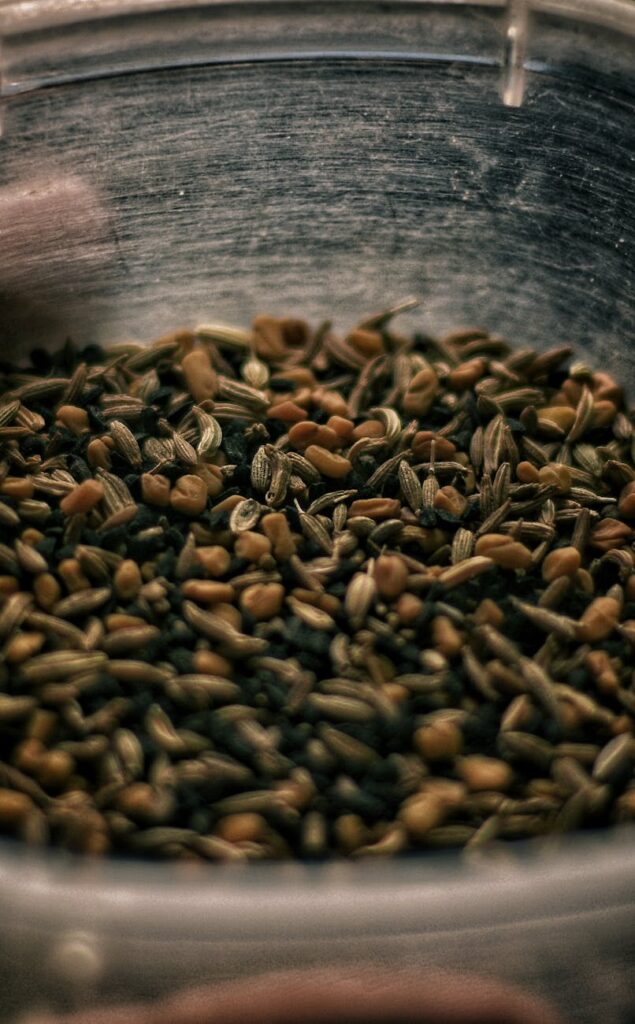
Faro About Guide Part 7
Introduction
Faro, often referred to as farro in culinary contexts, is an ancient grain that has garnered attention in recent years for its nutritional benefits and versatility in various dishes. Known for its nutty flavor and chewy texture, faro is not only a staple in Mediterranean diets but also a rising star in the global culinary scene. This guide will delve into the intricacies of faro, exploring its history, production, quality grading, and much more, providing a comprehensive understanding of this remarkable ingredient.
What Is Faro?
Faro is a type of ancient wheat that encompasses three varieties: emmer (Triticum dicoccum), spelt (Triticum spelta), and einkorn (Triticum monococcum). These grains have been cultivated for thousands of years and are prized for their nutritional profiles, which typically include higher levels of protein, fiber, and essential nutrients compared to modern wheat varieties. Faro is often enjoyed in salads, soups, and side dishes, offering a hearty and satisfying addition to meals.
History and Origins
The origins of faro can be traced back to the Fertile Crescent, a region in the Middle East that is often referred to as the cradle of agriculture. Archaeological evidence suggests that faro was cultivated as early as 10,000 years ago. Emmer wheat, one of the most common types of faro, was a staple in ancient Egyptian diets and is believed to have contributed significantly to the civilization’s agricultural success.
As trade routes expanded, faro spread across Europe and eventually made its way to the Americas. In Italy, faro became particularly popular, especially in regions like Tuscany, where it is often used in traditional dishes. The grain’s resilience and adaptability have allowed it to thrive in various climates, ensuring its continued presence in culinary traditions around the globe.
Production and Processing
Faro is cultivated primarily in Europe, with Italy, Turkey, and Ethiopia being leading producers. The harvesting process is similar to that of other grains, involving cutting, threshing, and winnowing to separate the grain from the chaff. After harvesting, faro undergoes processing, which may include cleaning, milling, and parboiling, depending on the desired end product.
The process of parboiling is particularly noteworthy; it involves partially cooking the grain while it is still in its husk, allowing it to retain its nutrients and enhancing its flavor. This method not only aids in preserving the grain’s integrity during storage but also reduces cooking time for consumers.
Quality and Grading
The quality of faro is primarily determined by its variety, moisture content, and overall appearance. Grains should be free from impurities and possess a uniform color and size. Common grading standards include:
- Grade A: High-quality grains that are clean, whole, and free from any defects.
- Grade B: Slightly lower quality with minor imperfections but still suitable for consumption.
- Grade C: Grains that may have visible defects or damage but can still be used in processed products.
- Salads: Cooked faro can serve as a base for salads, adding texture and nutritional value. It pairs well with roasted vegetables, herbs, and dressings.
- Soups and Stews: Its hearty nature allows faro to stand up well in soups and stews, providing a satisfying bite.
- Side Dishes: Faro can be served as a side dish, similar to rice or quinoa, often flavored with herbs, spices, or broth.
- Baking: Ground faro flour can be used in baking, imparting a nutty flavor to breads, muffins, and cookies.
- Breakfast Dishes: Cooked faro can be incorporated into breakfast bowls, topped with fruits, nuts, and yogurt for a nutritious start to the day.
- Whole Faro: Store in an airtight container in a cool, dry place. When stored correctly, whole faro can last for up to a year.
- Pearled and Semi-Pearled Faro: These varieties have a shorter shelf life due to the removal of the bran. They typically last for about six months when stored in similar conditions.
- Refrigeration: For longer storage, faro can be refrigerated or frozen. In the refrigerator, it can last up to a year, while freezing can extend its shelf life indefinitely.
- Cooked Faro: Once cooked, far
When purchasing faro, consumers should look for certified organic or non-GMO options, as these certifications can indicate higher quality and sustainability in production practices.
Buying Considerations
When selecting faro, consider the following factors:
1. Type of Faro: Emmer, spelt, and einkorn each have distinct flavors and textures. Emmer is often the most widely available and versatile, while spelt offers a slightly sweeter taste.
2. Form: Faro can be found in various forms, including whole grains, pearled, and semi-pearled. Whole grains require longer cooking times but retain more nutrients, while pearled faro cooks faster and has a lighter texture.
3. Packaging: Opt for products that are packaged in airtight containers to ensure freshness. Check for expiration dates and signs of moisture or pests.
4. Source: Consider purchasing from reputable brands or local farmers’ markets. This not only supports sustainable agriculture but often ensures higher quality products.
5. Organic vs. Conventional: Organic faro is cultivated without synthetic pesticides or fertilizers, while conventional varieties may contain residues. Choosing organic can be advantageous for those concerned about chemical exposure.
Uses and Applications
Faro’s versatility makes it suitable for a wide range of culinary applications. Here are some common uses:
Storage and Shelf Life
Proper storage is crucial to maintaining the quality of faro. Here are some storage guidelines: