
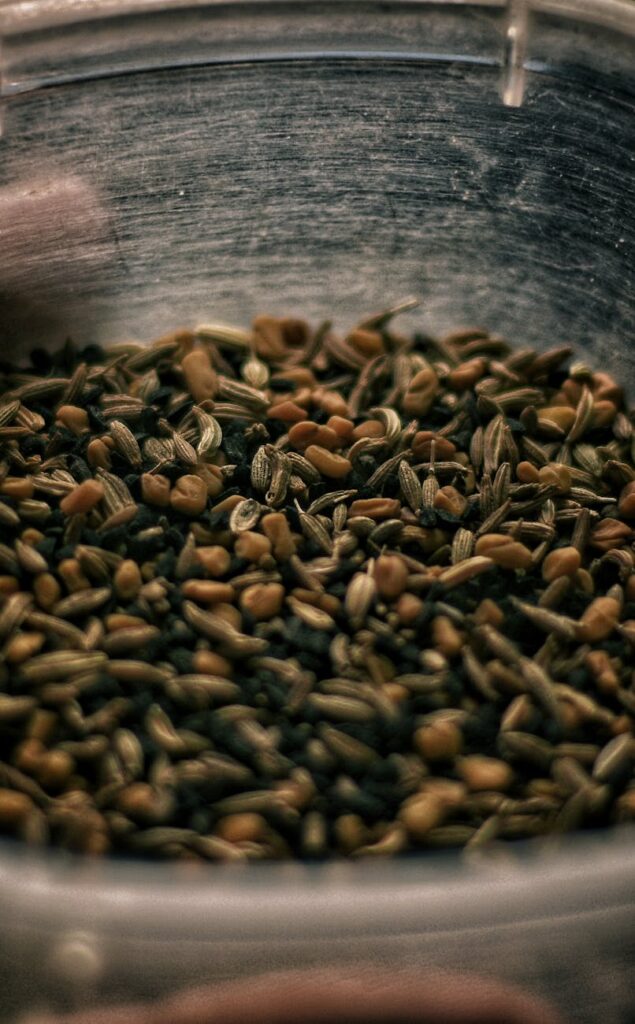
Faro Around the World
Introduction
Faro, a versatile and ancient grain, has been cultivated for centuries across various regions. Known for its nutty flavor and chewy texture, Faro has garnered attention in recent years for its nutritional benefits and adaptability in diverse culinary applications. This article explores Faro’s regional significance, its historical context, production processes, and much more, providing a comprehensive understanding of this remarkable ingredient.
What Is Faro?
Faro, often referred to as spelt in some regions, is a type of ancient wheat that has been cultivated since the Bronze Age. It is a hexaploid species, meaning it has six sets of chromosomes, which contributes to its robust nature. Faro is characterized by its hard outer shell and high nutritional value, making it a preferred choice for health-conscious consumers. Its grain is typically used in salads, soups, and as a base for various dishes, and it is also ground into flour for baking.
History and Origins
The history of Faro dates back thousands of years, with evidence of its cultivation found in archaeological sites throughout Europe and the Middle East. Originating from the Near East, Faro spread to Europe, where it became a staple in the diets of various ancient civilizations, including the Romans and Greeks. The grain was particularly valued for its hardiness and ability to thrive in less-than-ideal soil conditions, which made it a reliable food source during times of scarcity.
By the Middle Ages, Faro was widely cultivated across Europe, particularly in regions of Germany, Switzerland, and Italy. Its cultivation declined with the rise of modern wheat varieties, which were easier to grow and mill. However, in recent decades, there has been a resurgence of interest in Faro, driven by the growing demand for whole grains and ancient cereals.
Production and Processing
Faro is primarily grown in temperate regions, with major production areas located in Italy, Germany, and Switzerland. The cultivation process involves several key steps:
1. Sowing: Faro is typically sown in the fall or spring, depending on the climate. It requires well-drained soil and moderate rainfall for optimal growth.
2. Harvesting: Once the grains reach maturity, they are harvested using specialized machinery. The timing of the harvest is crucial, as it affects the quality and yield of the grain.
3. Processing: After harvesting, Faro goes through a series of processing steps. The grains are cleaned, hulled to remove the tough outer shell, and then sorted based on size and quality. The resulting whole grain can be used as is or milled into flour.
The processing methods may vary by region, influencing the final texture and flavor of the Faro. For instance, Italian Faro is often left unhulled, preserving its nutty flavor and chewy texture, while other regions may opt for fully hulled grains.
Quality and Grading
The quality of Faro is determined by several factors, including the grain’s color, size, and moisture content. Various grading systems are employed globally, often influenced by local agricultural standards. High-quality Faro grains are typically plump, uniform in size, and possess a rich, golden-brown hue.
In addition to appearance, flavor plays a crucial role in grading. The best Faro varieties have a pronounced nutty taste and a chewy texture, making them highly sought after in culinary applications. Consumers should look for organic certifications and local sourcing when purchasing Faro, as these factors often correlate with quality.
Buying Considerations
When buying Faro, consumers should consider several key factors to ensure they are selecting a high-quality product:
1. Type: Faro is available in whole grain and flour forms. Whole grain Faro retains more nutrients and fiber, while flour can be used for various baking applications.
2. Source: Local and organic options are often preferable, as they tend to have superior flavor and nutritional profiles. Supporting local farmers also contributes to sustainability.
3. Packaging: Look for airtight packaging that protects the grain from moisture and light, which can degrade quality over time.
4. Labeling: Check for certifications such as organic or non-GMO, which may indicate higher quality standards.
5. Freshness: Grains can lose flavor over time, so purchasing from reputable suppliers known for high turnover can ensure freshness.
Uses and Applications
Faro’s versatility makes it a valuable ingredient in various culinary applications. Some common uses include:
- Salads: Cooked Faro can serve as a hearty base for salads, providing texture and a nutty flavor that complements various vegetables and dressings.
- Soups and Stews: The grain holds its shape well during cooking, making it an excellent addition to soups and stews.
- Baking: Faro flour can be used in bread and pastries, offering a unique flavor profile that enhances baked goods.
- Side Dishes: Faro can be prepared as a simple side dish, often seasoned with herbs, spices, or broth to enhance its natural flavor.
- Breakfast Dishes: Incorporating Faro into breakfast bowls or porridge introduces a nutritious option for starting the day.
- Faro Is Just Spelt: While Faro and spelt are related, they are not identical. Faro refers to a specific ancient grain variety, while spelt is
Storage and Shelf Life
To maintain the quality of Faro, proper storage is essential. Whole grain Faro should be kept in a cool, dry place, preferably in an airtight container to prevent moisture and pests. When stored correctly, whole grains can last for up to a year, while milled flour has a shorter shelf life, typically around six months.
If you live in a warmer climate, refrigeration can extend the shelf life of both whole grains and flour. Always check for signs of spoilage, such as an off smell or discoloration, before use.
Common Misconceptions
Despite its popularity, several misconceptions about Faro persist: