
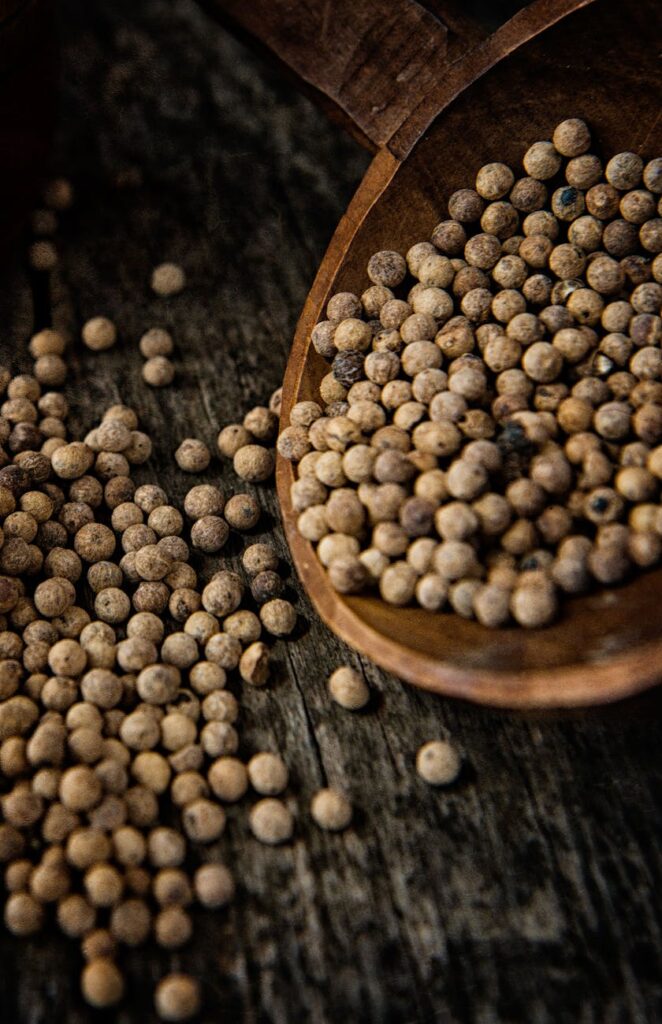
Faro FAQs Answered
Introduction
Faro, a lesser-known yet remarkable food ingredient, is gaining recognition among culinary enthusiasts and professional chefs alike. This ancient grain, celebrated for its unique flavor and versatile applications, deserves a comprehensive exploration. This article delves into various aspects of Faro, addressing common inquiries and providing an authoritative guide for those interested in this intriguing ingredient.
What Is Faro?
Faro, also known as Farro, is an ancient grain that has been cultivated for thousands of years, primarily in the Mediterranean region. It is often classified under three main varieties: Emmer (Farro Grande), Spelt (Farro Medio), and Einkorn (Farro Piccolo). Each of these types has distinct characteristics in terms of flavor, texture, and nutritional profile, making Faro a versatile ingredient in various culinary applications.
Faro is known for its nutty flavor and chewy texture, which can enhance both savory and sweet dishes. Its high fiber content, combined with essential vitamins and minerals, makes it a popular choice among health-conscious consumers. As the culinary world shifts toward more wholesome ingredients, Faro’s profile continues to rise.
History and Origins
The history of Faro dates back to ancient civilizations. It was one of the first grains domesticated by humans, with archaeological evidence suggesting its cultivation in the Fertile Crescent around 10,000 years ago. This grain was a staple in the diet of early Egyptians, who recognized its nutritional value and used it in various forms.
Faro’s prominence continued through the Roman Empire, where it served as a primary food source for soldiers and citizens alike. Although its popularity waned with the advent of modern wheat varieties, Faro has experienced a resurgence in recent years due to the growing interest in ancient grains and healthful eating.
Production and Processing
Faro is primarily grown in Italy, where the climate and soil conditions are ideal for its cultivation. The best Faro is often produced in the Tuscany region, characterized by its rich, fertile lands. The grain is harvested in late summer and undergoes various processing steps to ensure quality.
The processing of Faro generally involves several stages:
1. Harvesting: Faro is harvested when the grains are fully mature, typically in late July to early August.
2. Threshing: The harvested grains are separated from the chaff through mechanical or manual methods.
3. Cleaning: The grains are cleaned to remove impurities and foreign materials.
4. Parboiling (optional): Some Faro varieties are parboiled to enhance flavor and reduce cooking time.
5. Drying: The cleaned grains are dried to preserve their quality and extend shelf life.
The processing method can significantly influence the grain’s texture and cooking properties. Whole grain Faro retains its bran and germ, while some varieties may be polished to remove these components.
Quality and Grading
Quality and grading of Faro are essential factors that affect its culinary applications. Grains are typically evaluated based on several criteria:
- Appearance: High-quality Faro grains should be uniform in size, shape, and color. Any discoloration or irregularities may indicate inferior quality.
- Texture: The texture of raw Faro should be firm and hard. Grains that are soft or brittle may not have been properly dried or stored.
- Moisture Content: The ideal moisture content for dry grains is around 12%. Excess moisture can lead to mold and spoilage.
- Flavor: Freshness is crucial for flavor; stale grains will have a diminished taste profile.
- Salads: Its chewy texture adds depth to salads, complementing vegetables and dressings.
- Soups: Faro can be incorporated into soups for added heartiness and nutrition.
- Side Dishes: It works well as a side dish, often served with roasted vegetables or proteins.
- Baking: Ground Faro can be used in bread and pastries, imparting a unique flavor.
- Breakfast: It can be cooked as a porridge, served warm with fruits and nuts for breakfast.
- Airtight Container: Store Faro in an airtight container to protect it from moisture and pests.
- Cool, Dark Place: Keep it in a cool, dark place, such as a pantry or cupboard, away from direct sunlight.
- Refrigeration: For long-term storage, consider refrigerating or freezing Faro, especially if it is in whole grain form, which has a shorter shelf life.
- Shelf Life: Uncooked Faro can last up to two years when stored properly, while cooked Faro should be consumed within a week and can be refrigerated for up to four days.
- Faro is gluten-free: While Faro is an ancient grain, it contains gluten and is not suitable for those with celiac disease or gluten intolerance.
- Faro is the same as wheat: Although related, Faro has distinct culinary characteristics that set it apart from modern wheat varieties.
- Faro is difficult to cook: While it requires a longer cooking time than some grains, Faro is relatively easy to prepare with proper soaking and cooking methods.
- Only one type of Faro exists: Many people are unaware of the different varieties of Faro, each offering unique flavors and textures.
When purchasing Faro, consumers are encouraged to look for certifications or labels that indicate quality standards, such as organic or non-GMO certifications.
Buying Considerations
When buying Faro, several factors should be taken into account:
1. Variety: Choose between Emmer, Spelt, or Einkorn based on your culinary needs. Emmer is robust and nutty, while Spelt is slightly sweet and Einkorn offers a delicate flavor.
2. Form: Faro is available in whole grain or semi-pearled forms. Whole grain retains more nutrients, whereas semi-pearled cooks faster.
3. Source: Opt for Faro sourced from reputable producers, preferably those that practice sustainable and organic farming methods.
4. Packaging: Look for airtight packaging to ensure freshness. Vacuum-sealed packs are often best for long-term storage.
5. Price: While Faro may be more expensive than conventional grains, its unique flavor and nutritional benefits justify the cost.
Uses and Applications
Faro is a highly versatile ingredient that can be used in various culinary applications:
The adaptability of Faro makes it an excellent choice for both traditional and modern dishes.
Storage and Shelf Life
To maintain freshness and quality, proper storage of Faro is crucial. Here are some guidelines:
Common Misconceptions
Despite its growing popularity, several misconceptions about Faro persist:
Frequently Asked Questions
1. What is the difference between Faro and other grains?
Faro distinguishes itself from other grains through its nutty flavor, chewy texture, and higher nutritional content. Unlike white rice or refined grains, Faro retains its bran and germ in the whole grain form, providing more fiber, vitamins, and minerals.
2. How do I cook Faro?
Cooking Faro is straightforward. Rinse the grains, then soak them for a few hours (or overnight) to reduce cooking time. For every cup of Faro, use about 2.5 cups of water or broth. Bring it to a boil, then reduce the heat, cover, and simmer for approximately 30 to 40 minutes until tender but chewy.
3. Can I use Faro in gluten-free recipes?
Faro contains gluten, so it is unsuitable for gluten-free recipes. However, you can substitute it with gluten-free grains like quinoa or rice in some dishes while maintaining a similar texture.
4. Is Faro a whole grain?
Yes, when purchased in its whole grain form, Faro retains its bran and germ, making it a whole grain rich in fiber and nutrients. Always check the packaging to ensure you are buying whole grain Faro.
5. How can I incorporate Faro into my diet?
Incorporating Faro into your diet can be as simple as adding it to salads, soups, or as a side dish. Its versatility allows it to complement a wide range of ingredients, making it easy to include in various meals.
6. Is there a nutritional difference between the different types of Faro?
Yes, the nutritional profile varies among the different types of Faro. Emmer is typically higher in protein and fiber, while Spelt offers a slightly sweeter taste. Nutritional content can also depend on growing conditions and processing methods.
In summary, Faro is a unique and versatile ingredient with a rich history and a plethora of culinary applications. Understanding its origins, production, and uses can enhance your appreciation for this ancient grain and inspire your culinary endeavors.