
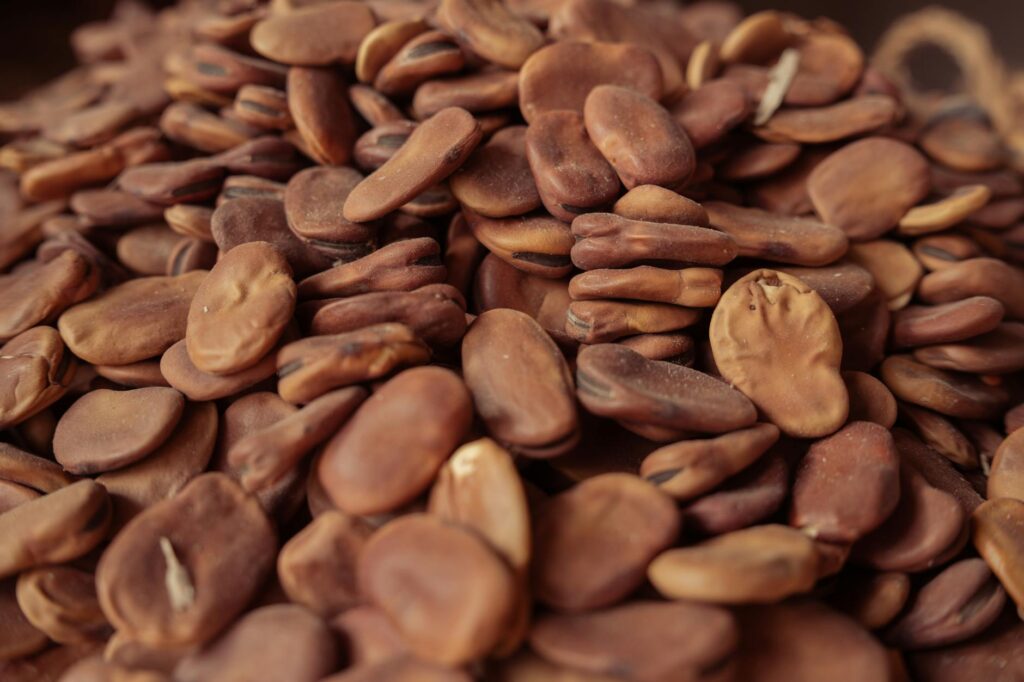
Fava Beans Around the World
Introduction
Fava beans, also known as broad beans or Vicia faba, have a rich history and a significant culinary presence across various cultures worldwide. These legumes, characterized by their large, flat, green seeds, are celebrated not only for their nutritional value but also for their versatility in diverse cuisines. This article delves into the regions where fava beans are grown and consumed, examining their historical roots, production methods, and culinary applications.
What Is Regions?
In the context of food ingredients, “regions” refers to the geographical areas where specific ingredients are cultivated, processed, and utilized. The production and consumption of fava beans vary significantly across different regions, each influenced by local climate, agricultural practices, and culinary traditions. Understanding these regional nuances provides insight into the global significance of fava beans and their role in various diets.
History and Origins
Fava beans are believed to have originated in the Near East, with archaeological evidence suggesting their cultivation dates back to approximately 6000 BCE. The bean’s adaptability allowed it to spread across the Mediterranean and into Europe, North Africa, and eventually parts of Asia. Ancient civilizations, including the Egyptians, Greeks, and Romans, valued fava beans not only as a food source but also as a symbol of fertility and rebirth.
In ancient Egypt, fava beans were associated with the afterlife, often included in tomb offerings. The Greeks and Romans incorporated them into their diets, with notable philosopher Pythagoras advocating for their consumption due to their perceived health benefits. Over time, fava beans became staples in various regional cuisines, retaining cultural significance and evolving in preparation methods.
Production and Processing
Fava beans thrive in temperate climates and are primarily grown in regions such as the Mediterranean, Middle East, and parts of Asia and North America. Major producers include countries like Egypt, Italy, China, and Morocco. The cultivation of fava beans requires well-drained soil and a growing season with moderate temperatures, making them particularly suited for spring planting.
The processing of fava beans varies depending on local culinary practices. Fresh fava beans are harvested in late spring and early summer, while dried beans are collected in late summer. The beans are often shelled and can be consumed fresh, dried, or processed into flour. In some regions, fava beans undergo fermentation, creating unique flavors and textures that enhance their culinary appeal.
Quality and Grading
The quality of fava beans is influenced by several factors, including the variety, growing conditions, and harvesting methods. When assessing fava beans, key indicators of quality include size, color, and absence of defects. Higher-quality fava beans are typically larger, with a vibrant green hue, while lower-quality beans may appear shriveled or discolored.
Grading systems for fava beans may differ by region, but they generally categorize beans based on their size and appearance. In commercial markets, beans may be classified into different grades, with higher grades fetching better prices. Consumers seeking quality fava beans should look for reputable suppliers who adhere to proper grading standards.
Buying Considerations
When purchasing fava beans, various factors should be considered to ensure optimal quality and flavor. Here are some key buying considerations:
1. Fresh vs. Dried: Fresh fava beans are typically available in the spring and early summer, while dried beans can be found year-round. Fresh beans have a sweeter flavor and tender texture, while dried beans require soaking and longer cooking times.
2. Source and Variety: Different regions produce various fava bean varieties, each with distinct characteristics. Researching the source can enhance the cooking experience, as specific varieties may be favored in particular cuisines.
3. Packaging: For dried fava beans, inspect packaging for resealability to maintain freshness. Avoid purchasing beans from damaged packaging, as this may compromise quality.
4. Organic and Non-GMO: If concerned about agricultural practices, consider purchasing organic or non-GMO fava beans. These options often indicate a commitment to sustainable farming methods.
5. Local Markets: Visiting local farmers’ markets can provide access to fresh, high-quality fava beans while supporting local agriculture.
Uses and Applications
Fava beans are incredibly versatile, finding their way into numerous dishes across different cultures. Here are some notable applications:
Mediterranean Cuisine
In Mediterranean regions, fava beans are often used in salads, stews, and dips. One of the most famous dishes is foul medames, a traditional Egyptian breakfast made with cooked fava beans, olive oil, garlic, and lemon juice.
Middle Eastern Dishes
Fava beans are a staple in Middle Eastern cooking. In addition to foul medames, they are also used in falafel, where they are ground into a paste and mixed with herbs and spices before being fried.
European Applications
In Italy, fava beans are often featured in pasta dishes, risottos, and purees. They are also enjoyed as a snack, either dried or roasted, seasoned with salt or spices. In Greece, they are used in fava, a creamy dip made from split, dried fava beans.
Asian Variations
In certain Asian cuisines, fava beans are used in stir-fries and soups. In China, they may be fermented to create a unique condiment, enhancing dishes with depth and umami flavor.
Storage and Shelf Life
Proper storage is essential for maintaining the quality of fava beans. Fresh fava beans should be refrigerated and consumed within a week for optimal flavor and texture. Dried fava beans, on the other hand, can be stored in a cool, dry place in an airtight container, where they can last for up to a year.
It is crucial to monitor dried fava beans for signs of spoilage, such as off odors or discoloration. Properly stored, dried fava beans