
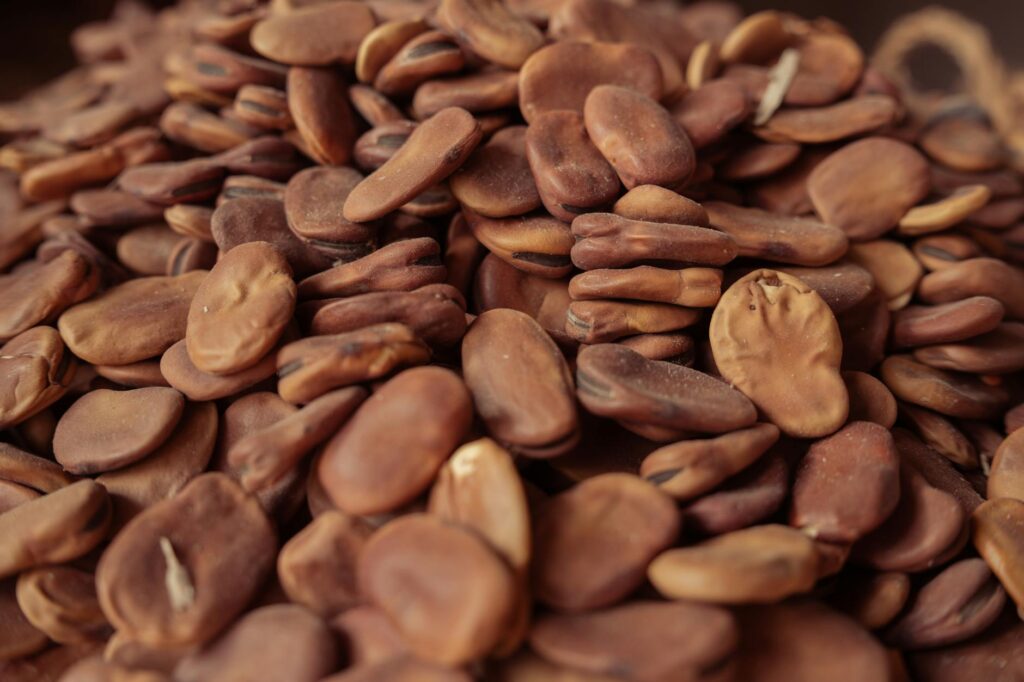
Fava Beans Grading Explained
Introduction
Fava beans, also known as broad beans, are a staple legume celebrated for their rich flavor, versatility, and nutritional benefits. They have been cultivated for millennia, forming an integral part of various culinary traditions across the globe. Understanding the grading and quality of fava beans is essential for buyers, whether they are wholesale distributors, restaurant chefs, or home cooks. This article delves into the intricacies of fava bean grading, focusing on its historical significance, production processes, quality standards, and practical buying considerations.
What Is Buying?
Buying in the context of food ingredients refers to the process of acquiring products suitable for culinary use. This includes understanding the market, evaluating quality, negotiating prices, and ensuring that the purchased items meet specific standards. For fava beans, buying involves not only selecting the best grades but also considering factors such as origin, processing methods, and intended use. Proper buying practices can significantly affect the quality of dishes prepared, making it a pivotal aspect of culinary expertise.
History and Origins
Fava beans (Vicia faba) have a storied history that dates back to ancient civilizations. Archaeological evidence suggests that they were one of the first domesticated crops, with findings in the Mediterranean region, particularly in Egypt and the Levant. The beans played a crucial role in the diets of ancient peoples, providing a reliable source of protein and nutrients.
Over the centuries, fava beans spread across Europe, Asia, and Africa. They became particularly popular in Mediterranean cuisine, where they are often used in dishes such as falafel, stews, and salads. The cultivation methods and varieties have evolved, but the fundamental importance of fava beans in global diets has remained constant.
Production and Processing
Fava beans are primarily cultivated in temperate climates, thriving in regions with cool growing seasons. Major producers include countries like Egypt, Italy, China, and Morocco. The production process begins with planting seeds in well-drained soil during spring. Once harvested, the beans can be processed in various forms, such as fresh, dried, or frozen.
Fresh fava beans are typically shelled and can be cooked quickly; however, dried fava beans require a longer cooking time and sometimes soaking. The processing of fava beans often involves cleaning, sorting, and grading, which are critical steps to ensure that the beans meet market standards.
Quality and Grading
Quality and grading are vital components of buying fava beans. The grading system helps buyers assess the beans’ suitability for specific culinary applications. Various grading standards exist, but they generally consider several key factors:
Size and Shape
Fava beans vary in size, and larger beans are often considered superior. Uniformity in shape is also essential, as it affects cooking times and visual appeal in dishes.
Color
High-quality fava beans usually exhibit a vibrant green or yellow hue. Discoloration can indicate aging or poor storage conditions, which may affect flavor and texture.
Moisture Content
Moisture content is a critical factor in grading. Beans with too high a moisture content are more susceptible to spoilage and mold, while overly dry beans can be tough and difficult to cook. The optimal moisture level for dried fava beans typically falls between 12-14%.
Defects
Grading also considers the presence of defects, such as insect damage, broken beans, or foreign material. Beans with minimal defects are rated higher, as they are more likely to provide a consistent culinary experience.
Packaging
The manner in which fava beans are packaged can also influence their grade. High-quality packaging protects the beans from moisture and contaminants, preserving their freshness.
Buying Considerations
When purchasing fava beans, several factors should be taken into account to ensure the highest quality:
Source
Consider the source of the fava beans. Local producers may offer fresher options, while imported beans can provide unique varieties not available domestically. Researching suppliers and their farming practices can give insight into the quality of the beans.
Variety
Different varieties of fava beans may vary in flavor, size, and cooking characteristics. Buyers should familiarize themselves with the distinctions between varieties to select the best fit for their culinary needs.
Certifications
Look for certifications that assure quality and sustainability, such as organic or fair trade labels. These certifications often indicate better farming practices and a commitment to environmental stewardship.
Bulk vs. Retail
Deciding whether to buy in bulk or retail quantities is crucial, especially for restaurants or commercial kitchens. Bulk purchases can lead to cost savings but require careful storage considerations to maintain quality.
Seasonal Availability
Fava beans are typically in season during spring and early summer. Purchasing them out of season may result in lower quality and higher prices. Being aware of seasonal cycles can help buyers acquire the best beans at optimal times.
Uses and Applications
Fava beans are incredibly versatile and can be used in various culinary applications. They can be incorporated into salads, soups, stews, and spreads. In Mediterranean cuisine, they are often mashed into a puree or used in traditional dishes like falafel. Additionally, fava beans can be ground into flour for gluten-free baking or used as a protein source in vegetarian and vegan dishes.
The beans can also be used as a thickening agent in soups and sauces, providing both texture and flavor. Their ability to absorb spices and seasonings makes them a favorite among chefs looking to enhance the taste of their dishes.
Storage and Shelf Life
Proper storage is vital to maintaining the quality of fava beans. Dried fava beans should be stored in a cool, dry place in an airtight container to prevent moisture absorption and pest infestation. When stored correctly, dried fava beans can last up to two years.
Fresh fava beans, on the other hand, have a shorter shelf life and should be consumed within a week of purchase. They can be refrigerated in a paper bag to help