
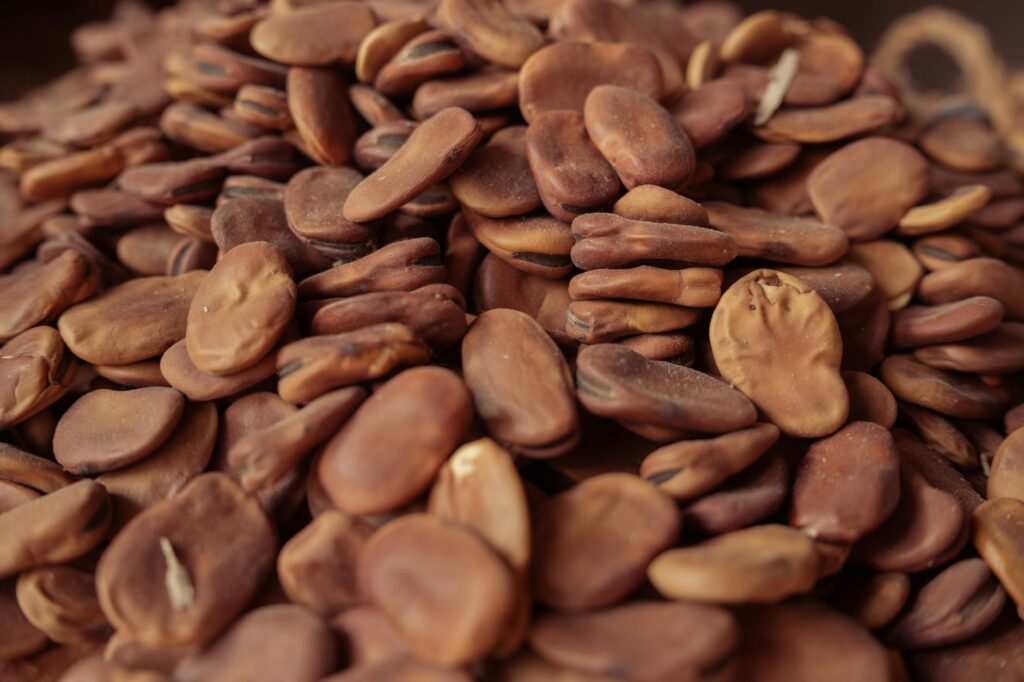
Fava Beans: Origins and Evolution
Introduction
Fava beans, also known as broad beans (Vicia faba), have a rich history and a diverse range of applications in culinary traditions worldwide. These legumes are not only celebrated for their nutritional value but also for their versatility in various dishes. This article delves into the origins, evolution, and various aspects of fava beans, providing a comprehensive understanding of this remarkable ingredient.
What Is Fava Bean?
Fava beans are large, flat, and green legumes that belong to the Fabaceae family. They are typically harvested in their pod form and are cultivated in temperate climates. Known for their unique flavor and creamy texture, fava beans can be consumed fresh, dried, or processed. Their distinct taste has made them a staple in Mediterranean, Middle Eastern, and Asian cuisines. Fava beans are also recognized for their high protein content, making them an excellent plant-based protein source.
History and Origins
The history of fava beans dates back thousands of years. Archaeological evidence suggests that these legumes were among the first cultivated plants in the Fertile Crescent, a region that encompasses parts of modern-day Iraq, Syria, Lebanon, and Israel. Fava beans have been found in ancient sites, such as the Neolithic settlement of Çatalhöyük in Turkey, dating back to approximately 7500 BCE.
In ancient Egypt, fava beans were revered not only as a food source but also for their significance in religious practices. They were often associated with the afterlife and were included in offerings to the gods. The Greeks and Romans also recognized the value of fava beans, incorporating them into their diets and using them in various agricultural practices.
As trade routes expanded, fava beans spread to different parts of Europe, Africa, and Asia. By the Middle Ages, they became a staple food in many regions, particularly among the lower classes, due to their affordability and ability to thrive in poor soil conditions. The cultivation of fava beans persisted through the Renaissance and into modern times, where they continue to play a vital role in traditional cuisines.
Production and Processing
Fava beans thrive in temperate climates and are typically sown in early spring. They prefer well-drained soil and can tolerate cooler temperatures, making them suitable for cultivation in various regions worldwide. Major producers of fava beans include countries like China, Egypt, Italy, and India.
Once harvested, fava beans undergo several processing methods. Fresh beans can be shelled and consumed immediately or preserved by blanching and freezing. Dried fava beans are often soaked to rehydrate before cooking, as they have a longer cooking time compared to other legumes. In some cultures, fava beans are ground into flour, which can be used in various culinary applications, including pasta and baked goods.
Processing methods may vary by region, with some cultures employing traditional techniques that enhance the flavor and texture of the beans. For instance, in Egypt, fava beans are often fermented to create a dish called “foul medames,” a staple breakfast item.
Quality and Grading
The quality of fava beans can significantly affect their flavor, texture, and nutritional content. When evaluating fava beans, several factors come into play, including size, color, and moisture content. High-quality fava beans should be uniform in size, with a vibrant green color and minimal blemishes.
Grading systems can vary by country, but generally, fava beans are classified into different grades based on their quality. Premium grades are characterized by their superior taste and texture, making them more desirable for culinary applications. Lower-grade beans may have defects or impurities, affecting their overall quality.
It is crucial for buyers to be aware of these grading systems when purchasing fava beans, whether they are buying fresh, dried, or processed varieties. Quality assurance measures, such as sensory evaluation and laboratory testing, are often employed to ensure that the beans meet industry standards.
Buying Considerations
When purchasing fava beans, several factors should be considered to ensure the best quality and flavor. Here are some key tips:
1. Freshness: If buying fresh fava beans, look for firm pods that are bright green and free from blemishes. The beans should feel plump and not rattly inside the pod.
2. Dried Beans: For dried fava beans, check for uniformity in size and color. Avoid beans that show signs of moisture or mold.
3. Packaging: If purchasing packaged beans, inspect the packaging for any damage or signs of infestation. Always check the expiration date to ensure freshness.
4. Organic Options: Consider buying organic fava beans if possible, as they are grown without synthetic pesticides or fertilizers, which can enhance the overall quality and flavor.
5. Local Sources: Whenever possible, buy from local farmers’ markets or specialty stores that focus on high-quality products. This not only supports local agriculture but also ensures fresher ingredients.
Uses and Applications
Fava beans are incredibly versatile and can be utilized in various culinary applications. Here are some common uses:
1. Culinary Dishes: Fava beans can be incorporated into soups, stews, salads, and pilafs. Their creamy texture makes them an excellent addition to vegetarian and vegan dishes.
2. Dips and Spreads: Pureed fava beans can be transformed into delicious dips, such as fava bean hummus, which can serve as a nutritious snack or appetizer.
3. Side Dishes: Cooked fava beans can be seasoned and served as a side dish, complementing a variety of main courses.
4. Flour Production: Fava bean flour is gaining popularity as a gluten-free alternative in baking and cooking. It can be used in pancakes, breads, and pasta, adding nutritional value to these foods.
5. Fermented Products: In some