
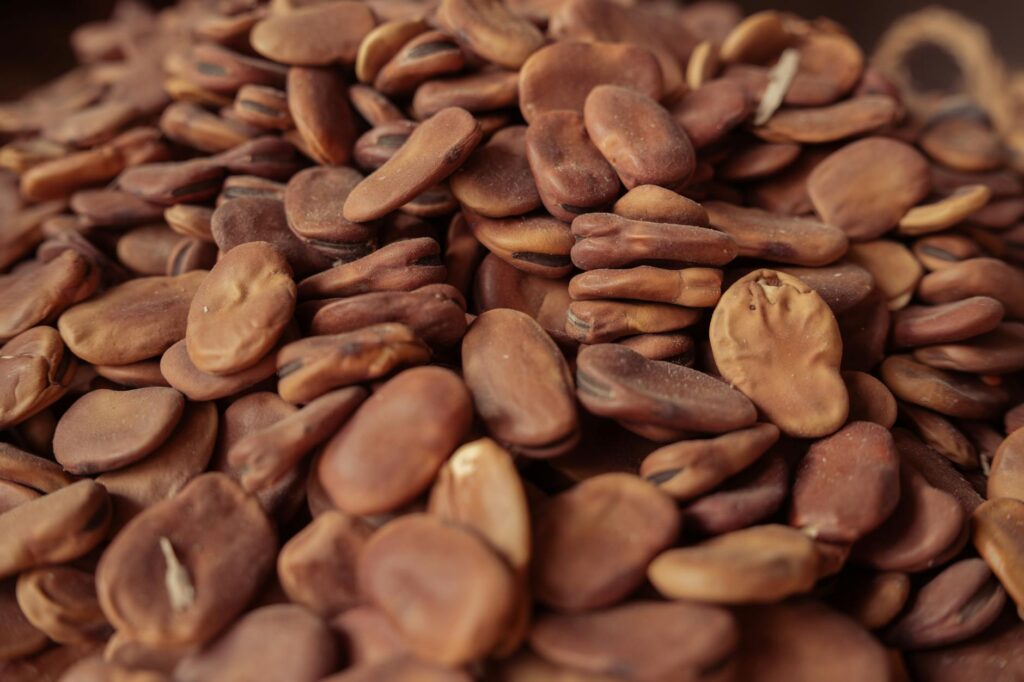
Fava Beans Production by Country
Introduction
Fava beans, also known as broad beans (Vicia faba), have been a staple in various cultures for centuries. Recognized for their rich taste and versatility, these legumes are cultivated in diverse regions around the globe. This article delves into the production of fava beans across different countries, exploring their historical significance, processing methods, quality standards, and other pertinent aspects that contribute to their status as a global food ingredient.
What Is Regions?
The term “regions” refers to specific geographic areas distinguished by natural or cultural characteristics. In the context of fava bean production, regions can signify not only the climatic and soil conditions conducive to their growth but also the cultural practices and culinary traditions that influence their cultivation and consumption. Different countries exhibit unique production methods, influenced by local agricultural practices, climate, and market demand.
History and Origins
Fava beans have a rich history dating back to ancient civilizations. Originating in the Mediterranean region, they were among the first legumes cultivated by humans. Archaeological evidence suggests that fava beans were consumed as early as 6000 BCE in the Near East. Over time, their cultivation spread to Europe, Africa, and Asia, becoming integral to various cuisines.
In ancient Egypt, fava beans were considered sacred and were often included in the diet of the lower classes. The Romans valued them as a source of sustenance and believed they had protective qualities against evil spirits. Today, fava beans are cultivated in a multitude of countries, reflecting their adaptability and enduring popularity.
Production and Processing
Fava bean production is predominantly concentrated in countries with temperate climates, including China, Egypt, and Italy. Each of these countries employs unique agricultural practices that cater to their specific environmental conditions.
China
China is the largest producer of fava beans globally, accounting for approximately 60% of total production. The provinces of Xinjiang and Gansu are notable for their expansive fava bean farms, where the crop thrives due to the favorable climate and soil conditions. Chinese farmers often practice crop rotation, allowing the legumes to enrich the soil with nitrogen, reducing the need for synthetic fertilizers.
Egypt
Egypt holds a prominent position in the fava bean market, ranking second in production. The country’s agricultural traditions are deeply intertwined with its history, and fava beans are a crucial component of Egyptian cuisine, often served in dishes such as ful medames. The Nile Delta’s fertile soil and irrigation systems facilitate the growth of high-quality fava beans, contributing to both local consumption and export markets.
Italy
Italy is renowned for its culinary heritage, and fava beans play a significant role in traditional dishes, particularly in regions such as Apulia and Sicily. Italian farmers often cultivate fava beans in association with other crops, such as wheat, to maximize land use. The country’s focus on organic farming practices also ensures that many fava beans produced are of high quality, meeting both domestic and international standards.
Other Notable Producers
Other countries that contribute to global fava bean production include Turkey, Morocco, and India. Turkey’s favorable climate and soil conditions allow for high yields, while Morocco’s agricultural practices emphasize sustainable farming. India, although not a primary producer, has seen a resurgence in fava bean cultivation, particularly in states like Punjab, where farmers are exploring the crop’s potential as a protein source.
Quality and Grading
Quality and grading are essential aspects of fava bean production, influencing marketability and consumer preferences. Various factors determine the quality of fava beans, including size, color, and absence of defects.
Grading Standards
Many countries follow specific grading standards to ensure uniformity and quality. For instance, in the European Union, fava beans are classified into different grades based on their size and quality characteristics. High-quality beans are typically larger, with a smooth surface and vibrant green or tan color, while inferior grades may exhibit discoloration or physical defects.
Organic Certification
The growing demand for organic produce has led many farmers to seek organic certification for their fava beans. Certified organic beans are cultivated without synthetic fertilizers or pesticides, appealing to health-conscious consumers and commanding a premium price in the market.
Buying Considerations
When purchasing fava beans, several factors should be considered to ensure quality and freshness:
1. Source: Always verify the source of the fava beans. Purchasing from reputable suppliers or local markets can enhance the likelihood of acquiring fresher and higher-quality beans.
2. Packaging: Fava beans are often sold in bulk or packaged forms. Look for airtight packaging that protects the beans from moisture and light, preserving their quality.
3. Appearance: Examine the beans for any signs of damage, discoloration, or pests. High-quality fava beans should be uniform in size and color.
4. Harvest Date: If possible, inquire about the harvest date. Fresher beans will have better flavor and nutritional content.
Uses and Applications
Fava beans are incredibly versatile and find applications in various culinary contexts:
- Culinary Uses: Fava beans can be cooked and enjoyed in a variety of dishes, from salads to stews. They are often puréed into spreads, included in grain salads, or served alongside meats and vegetables.
- Ethnic Cuisines: In Mediterranean and Middle Eastern cuisines, fava beans are integral to dishes such as falafel, ful medames, and various pasta dishes. Their creamy texture and rich flavor make them a popular choice among vegetarians and vegans.
- Snack Foods: Roasted fava beans have gained popularity as a healthy snack option, providing a crunchy alternative to traditional snacks while being high in protein and fiber.
- Dried Fava Beans: Store dried fava beans in
Storage and Shelf Life
Proper storage of fava beans is crucial to maintaining their quality and extending their shelf life: