
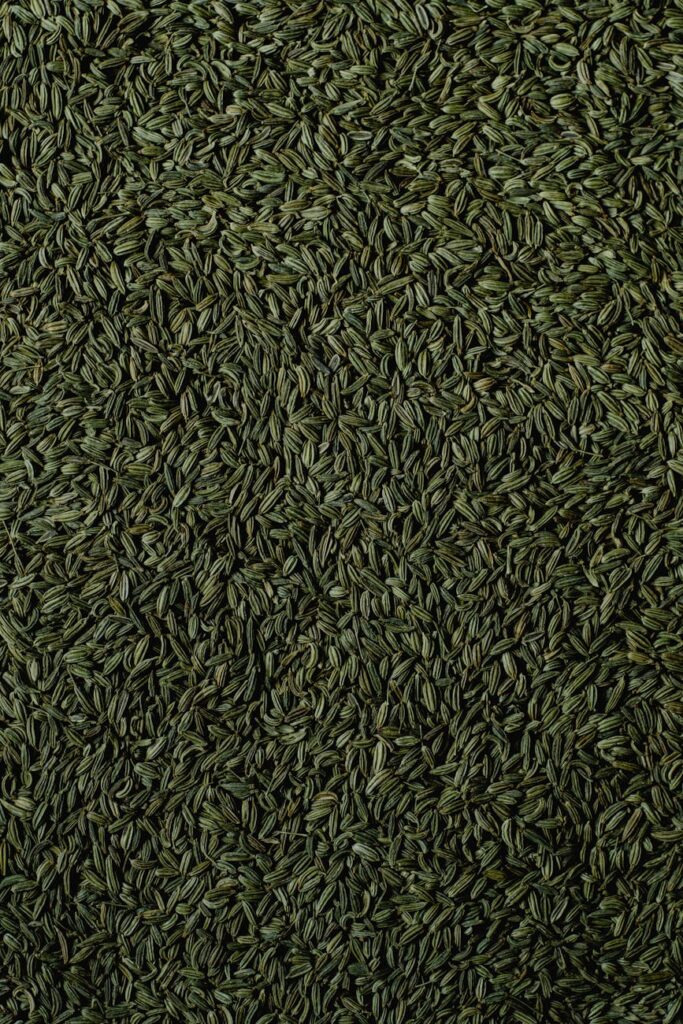
Fennel Around the World
Introduction
Fennel, a perennial herb belonging to the Apiaceae family, is renowned for its anise-like flavor and aromatic properties. With its vibrant green fronds, bulbous base, and delicate yellow flowers, fennel is not only a visually striking plant but also a versatile ingredient used across various cuisines globally. From its historical roots to its distinct regional varieties, fennel plays a pivotal role in culinary traditions, herbal remedies, and agricultural practices. This article delves into the multifaceted world of fennel, exploring its regions, history, production, and more.
What Is Regions?
The term “regions” in the context of fennel refers to the geographical areas where this herb is cultivated and utilized. Fennel thrives in temperate climates and is cultivated in various regions worldwide, including Europe, Asia, and North America. Each region contributes unique characteristics to the fennel variety grown there, influenced by local soil conditions, climate, and agricultural practices. Understanding these regional differences enriches our appreciation of fennel as an ingredient and highlights its significance in global cuisine.
History and Origins
Fennel’s history can be traced back to the Mediterranean region, where it was first cultivated by the ancient Greeks and Romans. Historical texts suggest that fennel was revered not only for its culinary applications but also for its medicinal properties. The Greeks associated fennel with strength and used it during athletic competitions, while the Romans considered it a symbol of wealth and prosperity.
Over centuries, fennel spread across Europe, Asia, and eventually to the Americas through trade and exploration. Its cultivation was documented in various cultures, with each region adapting the use of fennel to local flavors and traditions. Today, fennel is recognized globally, yet its roots in Mediterranean cuisine remain a cornerstone of its identity.
Production and Processing
Fennel is primarily cultivated for its bulb, fronds, and seeds. The cultivation process varies by region, but generally, fennel prefers well-drained, fertile soil and full sunlight. It is typically sown in early spring and harvested in late summer or early fall, depending on the variety and climate.
Major Producing Regions
1. Europe: Italy and France are the leading producers in Europe. Italian fennel, particularly the Florence variety, is prized for its sweet flavor and tender texture. French fennel often finds its way into classic dishes, contributing to the country’s rich culinary heritage.
2. Asia: In India, fennel seeds are widely used as a spice and digestive aid. The country’s diverse culinary practices showcase fennel in both savory and sweet dishes, often reflecting regional flavors.
3. North America: California is the primary producer of fennel in the United States. The state’s Mediterranean climate allows for optimal growth, resulting in high-quality fennel available in both fresh and dried forms.
Processing Methods
After harvesting, fennel undergoes various processing methods depending on its intended use. Fresh fennel is typically trimmed and packaged for sale in markets, while fennel seeds are dried and ground for culinary purposes. Proper processing ensures that the flavor and aroma of fennel are preserved, enhancing its appeal in cooking.
Quality and Grading
The quality of fennel can be assessed through several parameters, including freshness, aroma, and appearance. Fresh fennel bulbs should be firm, with no signs of browning or wilting. The fronds should be vibrant green and fragrant. When it comes to fennel seeds, quality is determined by their color, size, and aromatic profile.
Grading Standards
Fennel is typically graded based on size, shape, and overall quality. In the United States, for instance, the USDA has established grading standards that categorize fennel into different grades, helping consumers and retailers make informed choices. Higher grades are often associated with better flavor and texture, making them more desirable for culinary applications.
Buying Considerations
When purchasing fennel, several factors should be considered to ensure quality and freshness:
1. Freshness: Look for firm bulbs with bright green fronds. Avoid any with soft spots or discoloration.
2. Seasonality: Fresh fennel is usually available year-round, but its peak season varies by region. In general, fennel is at its best from late summer to early fall.
3. Organic vs. Conventional: Consider whether to choose organic fennel, which is grown without synthetic pesticides or fertilizers, or conventional options. Organic fennel often features more robust flavors due to soil health.
4. Seed Varieties: When buying fennel seeds, opt for whole seeds rather than pre-ground ones for maximum freshness and potency. Check for packaging dates to ensure you are getting the freshest product available.
Uses and Applications
Fennel is celebrated for its versatility in both culinary and non-culinary applications. Its distinct flavor profile—sweet, licorice-like, and aromatic—makes it suitable for various dishes and preparations.
Culinary Uses
1. Raw: Fresh fennel can be sliced thinly for salads, adding a crisp texture and unique flavor. Its fronds can be used as an herb to garnish dishes or enhance salad dressings.
2. Cooked: Fennel can be roasted, sautéed, or braised, where its natural sweetness is amplified. It pairs well with a variety of proteins, including fish, chicken, and pork.
3. Seeds: Fennel seeds are commonly used as a spice in both sweet and savory dishes. They are integral to Indian cuisine, often found in spice blends and as a digestive aid after meals.
Non-Culinary Uses
Fennel has also found its place in herbal teas and natural remedies, where its soothing properties are appreciated. Additionally, fennel essential oil is used in aromatherapy and cosmetics, thanks to its pleasant fragrance and potential benefits.
##