
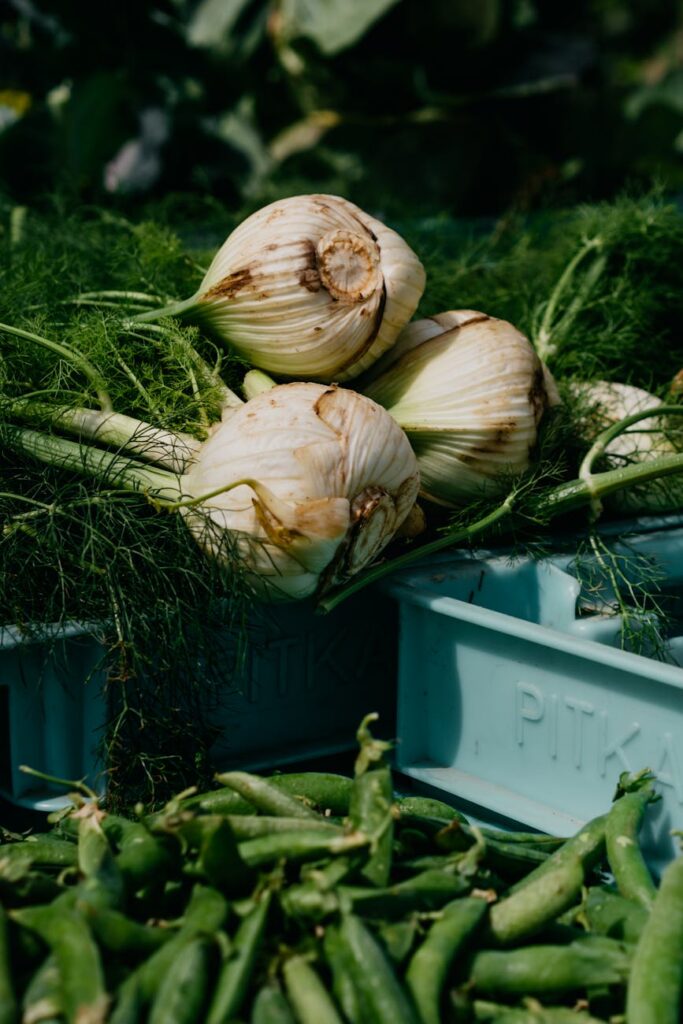
Fennel Bulb Guides Guide Part 6
Introduction
Fennel bulb, a unique and aromatic vegetable, has captivated chefs and home cooks alike for centuries. Its distinct flavor profile and versatile applications in culinary traditions around the world make it a staple ingredient in various cuisines. This guide dives deep into the multifaceted world of fennel bulb, exploring its history, cultivation, quality assessment, and much more.
What Is Fennel Bulb?
Fennel (Foeniculum vulgare) is a flowering plant species in the carrot family, Apiaceae. The plant is known for its feathery fronds, seeds, and most notably, the swollen bulb that grows just above the ground. The fennel bulb has a crunchy texture and a unique flavor that combines hints of anise and licorice. This vegetable is typically pale green to white and can be eaten raw, roasted, braised, or grilled, adding a refreshing element to a variety of dishes.
History and Origins
Fennel has a rich history that dates back to ancient civilizations. Originally cultivated in the Mediterranean region, fennel was prized not only for its culinary uses but also for its medicinal properties. Ancient Greeks and Romans utilized fennel in various forms, from seasoning their meals to using it as a remedy for digestive issues.
As trade routes expanded, fennel spread to other parts of Europe and eventually made its way to Asia and the Americas. Today, fennel is cultivated in many regions around the world, with major production centers in Italy, India, and the United States. Its adaptability to different climates and soils has contributed to its global popularity.
Production and Processing
Fennel is primarily grown in well-drained, fertile soil under a full sun. It thrives in temperate climates, with optimal growing temperatures between 60°F and 70°F (15°C to 21°C). The plant requires regular watering, especially during its growing phase, to develop a robust bulb.
Harvesting typically occurs in late summer to early fall when the bulbs reach their full size, usually around 3 to 6 inches in diameter. After harvesting, fennel is usually washed, trimmed, and packaged for distribution. It is crucial to handle fennel gently to avoid bruising, which can negatively affect its flavor and shelf life.
In commercial production, fennel may undergo minimal processing. Some producers may blanch or freeze fennel to preserve its freshness. However, for the highest quality, fresh fennel is preferred.
Quality and Grading
When assessing fennel bulb quality, several characteristics are taken into account:
- Appearance: Look for firm, compact bulbs with a vibrant color. The outer layers should be free from blemishes, spots, or discoloration.
- Texture: The bulb should be crisp and crunchy. Soft or spongy bulbs indicate overripeness or spoilage.
- Aroma: Fresh fennel emits a pleasant, sweet aroma reminiscent of anise. A lack of fragrance can suggest age or poor quality.
- Seasonality: Fennel is typically in season from late fall to early spring, although availability may vary by region. Freshness is key, so opt for bulbs that are in season.
- Source: Local, organic fennel can often provide better flavor and quality than mass-produced varieties. Look for suppliers who prioritize sustainable farming practices.
- Size: Choose bulbs that are medium-sized, as they tend to be more flavorful and tender compared to larger or smaller counterparts.
- Storage: Opt for bulbs that have been stored properly. Avoid those that have been exposed to moisture or are showing signs of decay.
- Raw: Thinly sliced fennel adds a crunchy texture and refreshing flavor to salads and slaws.
- Cooked: Fennel can be sautéed, roasted, or braised, enhancing its sweetness and softening its texture. It pairs beautifully with meats, fish, and hearty grains.
- Infused: The flavor of fennel can be infused into oils, broths, and sauces, creating a unique base for dishes.
- Accompaniments: Fennel complements a wide range of ingredients, including citrus, olives, and cheese, making it a versatile addition to charcuterie boards.
- Refrigeration: Store fennel bulbs in the crisper drawer of your refrigerator, ideally wrapped in a damp paper towel to maintain humidity.
- Use Within a Week: Fresh fennel can last up to a week in the refrigerator. However, for optimal flavor and texture, it is best consumed within a few days of purchase.
- Freezing: If you have excess fennel, consider blanching and freezing it. Properly frozen fennel can last for several months but may lose some texture when thawed.
- Fennel Is Only for Certain Cuisines: While fennel is a prominent ingredient in Mediterranean and Indian cuisines, its versatility allows it to fit into numerous culinary traditions around the world.
- All Parts of the F
Grading systems for fennel are not universally standardized, but in general, higher grades will exhibit superior flavor, texture, and appearance. Purchasing from reputable sources can help ensure quality.
Buying Considerations
When buying fennel bulbs, whether from a grocery store or a farmers’ market, consider the following factors:
Uses and Applications
Fennel bulb’s versatility allows it to shine in various culinary applications:
Beyond its culinary uses, fennel seeds are also widely employed as a spice, lending their distinct flavor to various dishes, teas, and even baked goods.
Storage and Shelf Life
To maximize the shelf life of fennel bulbs, proper storage is essential. Follow these guidelines:
Common Misconceptions
Fennel bulb is surrounded by various myths and misconceptions that can lead to confusion: