
Fennel Bulb Myths and Misconceptions
Introduction
Fennel bulb, with its unique anise-like flavor and crisp texture, has captured the attention of chefs and home cooks alike. While celebrated for its culinary versatility, fennel is often shrouded in myths and misconceptions that can cloud its reputation. This article aims to clear the air by providing a comprehensive overview of fennel bulb, including its history, production methods, quality grading, and common misunderstandings that may hinder its use in kitchens around the world.
What Is Fennel?
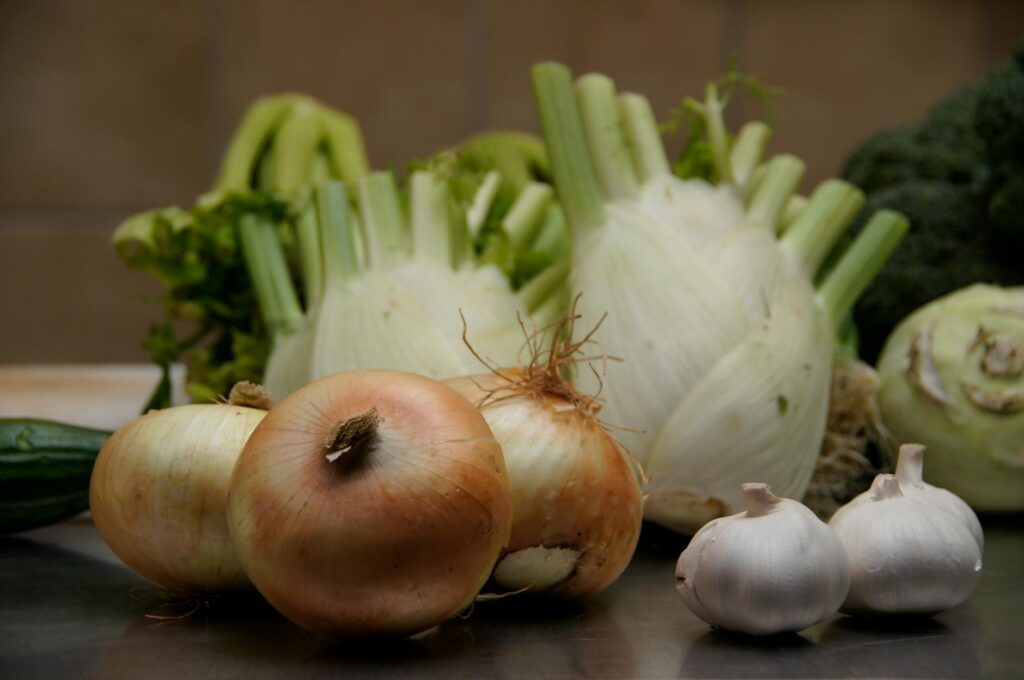
Fennel (Foeniculum vulgare) is a flowering plant species belonging to the carrot family, Apiaceae. It is characterized by its bulbous base, feathery leaves, and yellow flowers. The bulb, often simply referred to as ‘fennel,’ is the edible part of the plant and is commonly used in salads, soups, and various culinary preparations. Its flavor profile is often compared to that of anise or licorice, which can be polarizing for some consumers.
History and Origins
Fennel has a rich history dating back to ancient civilizations. Originating in the Mediterranean region, it has been cultivated for thousands of years. Ancient Greeks and Romans valued fennel not only for its culinary uses but also for its purported medicinal properties. In fact, it was often used in traditional remedies and as a symbol of strength and longevity. Over the centuries, fennel spread across Europe and into Asia, where it became integrated into various culinary traditions. Today, it is grown in many temperate regions globally, with significant production in Italy, France, and the United States.
Production and Processing
Fennel is typically grown from seeds and thrives in well-drained soil with ample sunlight. It requires moderate watering and is usually harvested in late summer to early fall. The bulbs are harvested when they reach a desirable size, usually around 3–5 inches in diameter. After harvesting, fennel bulbs are cleaned, trimmed, and often packaged for distribution. Processing can involve minimal handling to maintain freshness, as fennel is best enjoyed raw or lightly cooked.
Quality and Grading
The quality of fennel bulbs can vary widely based on several factors, including growing conditions, harvest time, and handling practices. Fresh fennel should have a firm texture, bright white or pale green color, and a pleasant aroma. When grading fennel, consider the following criteria:
1. Size: Larger bulbs tend to be sweeter, but smaller ones can be more tender.
2. Appearance: Look for bulbs with no blemishes or discoloration, as this can indicate spoilage.
3. Freshness: The leaves should be vibrant and crisp, while the bulb should feel heavy for its size.
Buying Considerations
When purchasing fennel bulbs, it’s essential to consider several aspects to ensure you’re getting the best quality product:
- Seasonality: Fennel is typically in season from late spring to early fall. Buying in season can yield better flavor and texture.
- Source: Consider local farms or organic sources when possible, as these may offer fresher options.
- Storage: Look for bulbs stored in a cool, well-ventilated area to avoid wilting.
- Raw: Thinly sliced fennel adds a refreshing crunch to salads and slaws.
- Cooked: Fennel can be sautéed, roasted, or braised to soften its texture and enhance its sweetness.
- Soups and Stews: When added to soups and stews, fennel can impart a subtle depth of flavor that complements other ingredients.
- Garnishes: The fronds of fennel can be used as a garnish, adding both visual appeal and flavor.
- Refrigeration: Wrap the bulbs in a damp paper towel and place them in a plastic bag to maintain moisture.
- Avoid Moisture: Excess moisture can lead to spoilage, so ensure the bulbs are dry before storing.
- Freezing: While fennel can be frozen, its texture may change once thawed. If you choose to freeze it, blanch the bulbs first to preserve flavor and color.
Inspect the bulb closely for any signs of damage or decay, and opt for those that feel heavy and have a solid structure.
Uses and Applications
Fennel bulb is an incredibly versatile ingredient that can be used in a multitude of ways. Its unique flavor lends itself to various culinary applications, including:
Despite its culinary flexibility, some individuals may hesitate to use fennel due to misconceptions about its flavor or texture.
Storage and Shelf Life
Proper storage is crucial for maintaining the quality of fennel bulbs. When stored correctly, they can last up to two weeks in the refrigerator. Here are some storage tips:
Common Misconceptions
Despite its popularity, fennel is often misunderstood. Here are some common myths and misconceptions surrounding this intriguing ingredient:
Myth 1: Fennel is Only for Specialty Dishes
Many believe that fennel is suitable only for gourmet or specialty dishes. In reality, its unique flavor can be easily integrated into everyday meals, making it a versatile and accessible ingredient.
Myth 2: Fennel Tastes Like Licorice
While fennel does have an anise-like flavor, it is not as strong or overpowering as pure licorice. The taste can vary depending on how it is prepared, often becoming sweeter when cooked.
Myth 3: The Bulb is the Only Edible Part
While the bulb is the most commonly used part of the fennel plant, the fronds and stalks are also edible and can be utilized in various culinary applications. The fronds can serve as a flavorful garnish, while the stalks can be used in stocks or soups.