
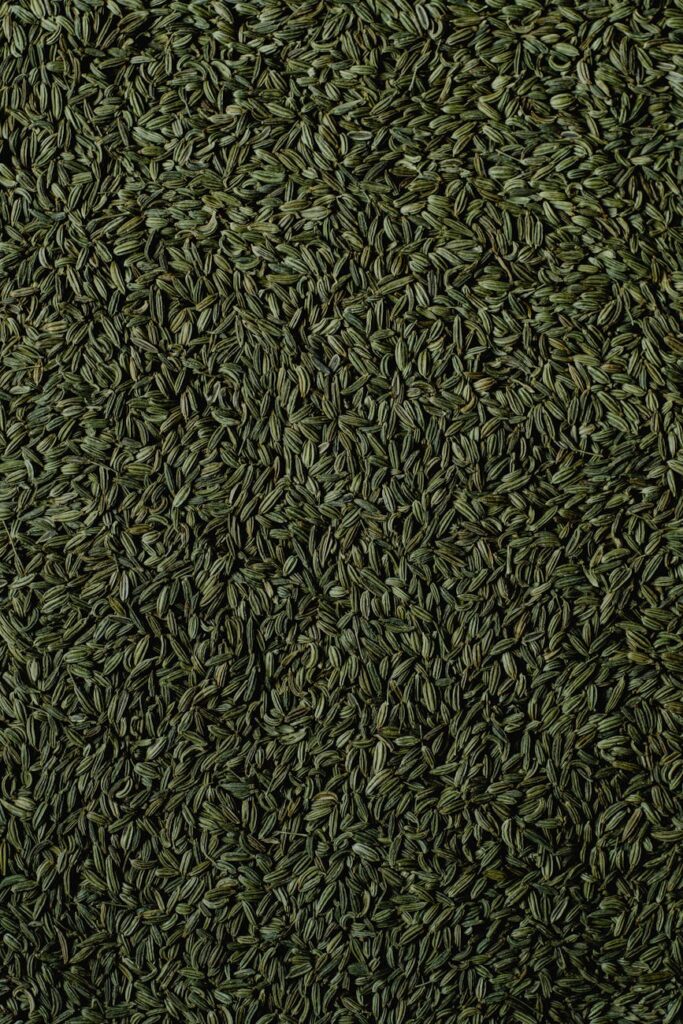
Fennel Cultivation Explained
Introduction
Fennel (Foeniculum vulgare) is a versatile culinary herb and vegetable, cherished for its aromatic flavor and distinctive anise-like characteristics. This member of the Apiaceae family has gained popularity across global cuisines, particularly in Mediterranean and Asian dishes. Understanding the cultivation of fennel not only enhances its usage in the kitchen but also offers insights into sustainable agricultural practices. This article delves into the intricacies of fennel cultivation, from its history and origins to its applications and storage.
What Is Growing?
Growing, in the context of fennel cultivation, refers to the complete process of planting, nurturing, and harvesting the fennel plant. This involves understanding the ideal growing conditions, soil requirements, irrigation needs, pest management strategies, and the timing of harvest. Each stage of growth, from seedling to mature bulb, requires specific care to ensure a healthy yield of high-quality fennel.
History and Origins
Fennel has a rich history that dates back thousands of years. Native to the Mediterranean region, fennel was highly regarded in ancient cultures, both for its culinary uses and as a medicinal herb. The Egyptians utilized fennel in embalming processes, while the Greeks and Romans celebrated its flavor and health benefits. It spread throughout Europe during the Middle Ages, becoming a staple in various cuisines. Today, fennel is cultivated worldwide, with significant production in countries such as Italy, India, China, and the United States.
Production and Processing
Cultivation Conditions
Fennel is a biennial plant, typically grown as an annual for its bulbous stalk. It thrives in well-drained, fertile soil rich in organic matter. The ideal soil pH for fennel ranges from 6.0 to 7.0. Sunlight is crucial, as fennel requires full sun for optimal growth.
Sowing and Growing Season
Fennel is usually sown directly into the soil in the spring after the last frost, although it can be started indoors in cooler climates. Seeds should be planted 1/4 inch deep, spaced about 12-16 inches apart in rows. As the seeds germinate and seedlings emerge, thin them to ensure adequate spacing.
Irrigation and Fertilization
Fennel requires consistent moisture, particularly during its early growth stages. However, overwatering can lead to bulb rot. Drip irrigation is often recommended. Fertilization should be done with a balanced fertilizer, preferably organic, to promote healthy growth.
Pest and Disease Management
Common pests affecting fennel include aphids, caterpillars, and the fennel bulb worm. Integrated Pest Management (IPM) practices should be employed, including crop rotation and the use of beneficial insects. Diseases such as powdery mildew and root rot can be mitigated through proper spacing and sanitation practices.
Harvesting
Fennel can be harvested when the bulbs reach a diameter of about 3-4 inches. The ideal time for harvest is usually 80-100 days after sowing. Harvesting should be done carefully to avoid damaging the bulbs, which can be pruned off at the base with a sharp knife.
Quality and Grading
The quality of fennel is determined by its size, shape, color, and firmness. High-quality fennel bulbs are white or pale green, have a smooth surface, and are firm to the touch. Grading can vary by region, but generally, fennel is classified into categories based on these quality parameters.
Buying Considerations
When purchasing fennel, whether at a market or grocery store, look for bulbs that are firm, have minimal blemishes, and exhibit a fresh, vibrant color. Fennel fronds should be bright green and crisp. Check for signs of wilting or browning, which can indicate age or poor storage conditions.
Uses and Applications
Fennel is a versatile ingredient utilized in various culinary applications. The bulb can be sliced and eaten raw in salads or cooked in various dishes, imparting a sweet, anise-like flavor. The fronds make a flavorful garnish and can also be used in pestos or as a seasoning. Fennel seeds, which are harvested from dried flowers, are often used as a spice in both sweet and savory dishes.
Beyond culinary uses, fennel is employed in the production of herbal teas, liqueurs, and essential oils. Its aromatic properties make it a popular choice in aromatherapy and as a natural flavoring agent.
Storage and Shelf Life
Fresh fennel can be stored in the refrigerator, ideally in a perforated plastic bag to maintain moisture. It can last up to a week when stored properly. For longer storage, fennel can be blanched and frozen, retaining its flavor and nutrients for several months. Dried fennel seeds should be kept in an airtight container, away from light and heat, to preserve their potency.
Common Misconceptions
One common misconception about fennel is that it is solely an herb. In reality, fennel is both a herb and a vegetable. While the fronds and seeds are used for flavoring, the bulb is cultivated primarily for culinary purposes. Another misconception is that fennel is only suitable for specific cuisines; its versatility allows it to be incorporated into a wide array of dishes across various culinary traditions.
Frequently Asked Questions
1. How long does it take for fennel to grow?
Fennel typically takes 80-100 days from planting to reach maturity, depending on the variety and growing conditions.
2. Can fennel be grown in containers?
Yes, fennel can be successfully grown in containers, provided that they are deep enough to accommodate the bulb’s growth and have good drainage.
3. What are the ideal growing conditions for fennel?
Fennel thrives in full sun and well-drained,