
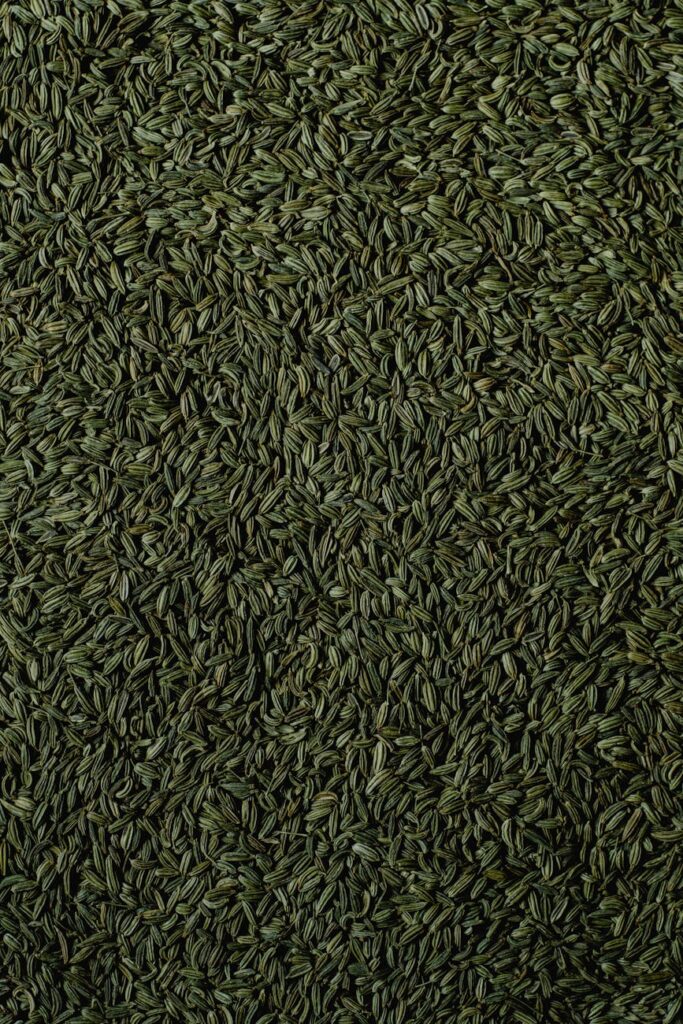
Fennel FAQs Answered
Introduction
Fennel, a perennial herb belonging to the Apiaceae family, is celebrated for its distinctive flavor and versatility in culinary applications. Its bulb, fronds, and seeds are all utilized in various cuisines around the world, offering a unique blend of sweetness and anise-like flavor. As consumers and culinary enthusiasts increasingly explore the nuances of this ingredient, it is essential to provide a comprehensive understanding of fennel, its history, production, quality, and applications.
What Is Guides?
“Guides” in the context of food ingredients refer to authoritative resources that provide detailed information on the characteristics, uses, and best practices associated with specific ingredients. These guides aim to educate consumers, chefs, and food professionals about the optimal ways to select, store, and use ingredients like fennel, ensuring that they can make informed choices in their culinary endeavors.
History and Origins
Fennel has a rich history that dates back thousands of years. Originally native to the Mediterranean region, it has been cultivated since ancient times for its culinary and medicinal properties. The ancient Egyptians valued fennel for its flavor and believed it possessed protective qualities. Greek and Roman civilizations utilized fennel in various dishes, and it was also considered a symbol of strength and vigor.
The plant spread throughout Europe and Asia, adapting to various climates and culinary traditions. Today, fennel is grown in many parts of the world, including North America, India, and China. Its popularity has led to the development of different varieties, each with unique characteristics that cater to diverse culinary preferences.
Production and Processing
Fennel is typically grown in temperate climates, thriving in well-drained soil with ample sunlight. The cultivation process begins with seed sowing, followed by careful management of water and nutrients to ensure healthy growth. The plant usually takes about 80 to 100 days to mature, at which point both the bulb and the fronds can be harvested.
Processing fennel involves washing, trimming, and packing. The seeds are harvested when ripe, dried, and then often ground or sold whole. The bulb and fronds are usually sold fresh, although they can also be pickled or frozen for later use. Quality control is essential throughout this process to maintain the flavor and nutritional integrity of the product.
Quality and Grading
When it comes to fennel, quality and grading are crucial components that affect its culinary value. Fresh fennel should have a firm bulb with a crisp texture and vibrant green fronds. The aroma should be distinctly sweet and slightly licorice-like. Signs of spoilage include browning, wilting, or a mushy texture.
Fennel seeds are graded based on size, flavor, and aroma. High-quality seeds are plump, aromatic, and free from contaminants. Producers often conduct sensory evaluations and laboratory tests to ensure that the fennel meets the required standards for flavor and potency.
Buying Considerations
When purchasing fennel, several factors should be taken into account to ensure that you select the best quality product. Fresh fennel can be found in grocery stores, farmers’ markets, and specialty food shops. Look for bulbs that are firm, heavy for their size, and have vibrant green fronds. Avoid any bulbs that exhibit soft spots or discoloration.
For fennel seeds, consider purchasing from reputable brands that provide information on sourcing and quality control. Whole seeds tend to retain their flavor longer than ground forms, so opt for whole seeds if possible. Always check the expiration date to ensure freshness.
Uses and Applications
Fennel’s unique flavor profile lends itself to a wide variety of culinary applications. The bulb can be sliced and added to salads, sautéed, or roasted, providing a delightful crunch and mild sweetness. The fronds can be used as a garnish or incorporated into sauces and dressings, adding a fresh, herbaceous note.
Fennel seeds are commonly used as a spice, either whole or ground, in both sweet and savory dishes. They can enhance the flavor of roasted meats, soups, and stews, or be included in baked goods like breads and pastries. Additionally, fennel seeds are a staple in various spice blends, contributing to the complexity of flavors in cuisines worldwide.
Storage and Shelf Life
Proper storage is vital for maintaining the freshness and flavor of fennel. Fresh fennel should be kept in the refrigerator, ideally wrapped in a damp paper towel and placed in a plastic bag. Under optimal conditions, it can last for about one week. The fronds may wilt faster, so it is advisable to use them promptly.
Fennel seeds should be stored in a cool, dark place in an airtight container to protect them from light and moisture. Whole seeds can retain their flavor for up to six months, while ground fennel seeds should be used within three months for the best flavor.
Common Misconceptions
There are several misconceptions surrounding fennel that can lead to confusion among consumers. One common myth is that fennel and anise are the same. While they share similar flavor profiles, they are distinct plants belonging to the same family. Anise has a more intense flavor and is primarily grown for its seeds, whereas fennel is valued for its bulb, fronds, and seeds.
Another misconception is that fennel is only suitable for Mediterranean cuisine. In reality, fennel’s versatility allows it to shine in a multitude of culinary traditions, from Indian to Asian dishes. Its ability to complement a wide range of flavors makes it a valuable ingredient in any kitchen.
Frequently Asked Questions
1. What does fennel taste like?
Fennel has a unique flavor that is often described as sweet and slightly reminiscent of licorice or anise. The bulb is milder compared to the seeds, which have a more concentrated flavor. The fronds add a fresh, herbaceous note when used in cooking.
2. How do I prepare fennel?
Preparing fennel typically involves trimming the base of the bulb and removing any discolored outer layers. The bulb can be sliced, diced, or julienned, while the fronds can be chopped and used as a garnish or flavoring. Fennel seeds can be used whole or ground, depending on the desired application.
3. Can I eat fennel raw?
Yes, fennel can be enjoyed raw. The bulb is often sliced thinly and added to salads, providing a crunchy texture and refreshing flavor. The fronds can also be used raw as a garnish or in dressings.
4. How do I know if fennel is fresh?
Fresh fennel should have a firm bulb with a smooth surface and vibrant green fronds. Avoid bulbs that are soft, have brown spots, or exhibit wilting. The aroma should be sweet and fragrant, indicating freshness.
5. Is fennel available year-round?
While fennel is typically in season from fall to spring, it is available year-round in many regions due to global sourcing and cultivation practices. However, the peak season may yield the freshest and most flavorful produce.
6. How can I use fennel in cooking?
Fennel can be used in a variety of ways, including sautéing, roasting, grilling, or adding it raw to salads. Its seeds are commonly used as a spice, enhancing the flavor of meats, soups, and baked goods. Experimenting with fennel in various cuisines can unlock new flavors and culinary experiences.
Conclusion
Fennel is a multifaceted ingredient that offers a wealth of flavor and versatility in the kitchen. Understanding its history, production, and applications allows culinary enthusiasts to appreciate this herb beyond its distinctive taste. By answering common questions and addressing misconceptions, consumers can confidently incorporate fennel into their culinary repertoire, exploring its potential in both traditional and innovative dishes.