
Fennel Growing Guide Part 6
Introduction
Fennel (Foeniculum vulgare) is a versatile culinary herb known for its aromatic, licorice-like flavor. It holds a cherished place in various cuisines, from Mediterranean dishes to Indian spice blends. However, understanding how to grow fennel effectively is essential for both home gardeners and commercial producers. This guide, as part of a comprehensive series on fennel, delves into the nuances of growing this unique ingredient, exploring its history, production, quality, and more.
What Is Growing?
Growing refers to the process of cultivating plants, involving several stages from seed germination to harvest. For fennel, this includes selecting the right variety, preparing the soil, managing pests, and ensuring optimal conditions for growth. This segment focuses on the specific requirements and practices for cultivating fennel, highlighting factors such as climate, soil conditions, and watering schedules.
Climate Requirements
Fennel thrives in temperate climates, preferring full sun exposure. Ideal temperatures range from 60°F to 75°F (15°C to 24°C). It can tolerate light frost but is sensitive to extreme heat, which can hinder bulb formation.
Soil Preparation
Fennel requires well-drained, fertile soil rich in organic matter. A pH level of 6.0 to 7.0 is optimal. Prior to planting, incorporate compost or well-rotted manure to enhance soil fertility. Raised beds can improve drainage, essential for healthy fennel growth.
Planting Techniques
Fennel can be sown directly into the garden or started indoors. When direct sowing, plant seeds 1/4 to 1/2 inch deep and 12 to 18 inches apart, as fennel requires ample space for its bulb to develop. If starting indoors, transplant seedlings after the last frost, ensuring they are hardened off to minimize transplant shock.
History and Origins
Fennel has a rich history dating back to ancient civilizations. Originally native to the Mediterranean region, it was highly prized by the Romans and Greeks, who valued its culinary and medicinal properties. Over the centuries, fennel spread across Europe and eventually to the Americas, where it adapted to various climates.
In ancient times, fennel was often associated with strength and protection. It was used by warriors and athletes, symbolizing endurance and resilience. Today, fennel is cultivated worldwide, with significant production in Italy, India, and China, reflecting its global culinary importance.
Production and Processing
Fennel is cultivated for its bulb, stalks, and seeds. The production process includes several critical steps:
Cultivation
Fennel is typically grown as a biennial crop, although it is often harvested in its first year. The growing period ranges from 90 to 120 days, depending on the variety. Regular watering and weeding are essential during the growth phase to promote bulb development.
Harvesting
Fennel is ready for harvest when bulbs reach a diameter of 3 to 4 inches. Cut the bulb at the base, leaving some foliage intact. For seed production, allow the flowers to mature on the plant, then harvest when the seeds turn brown.
Processing
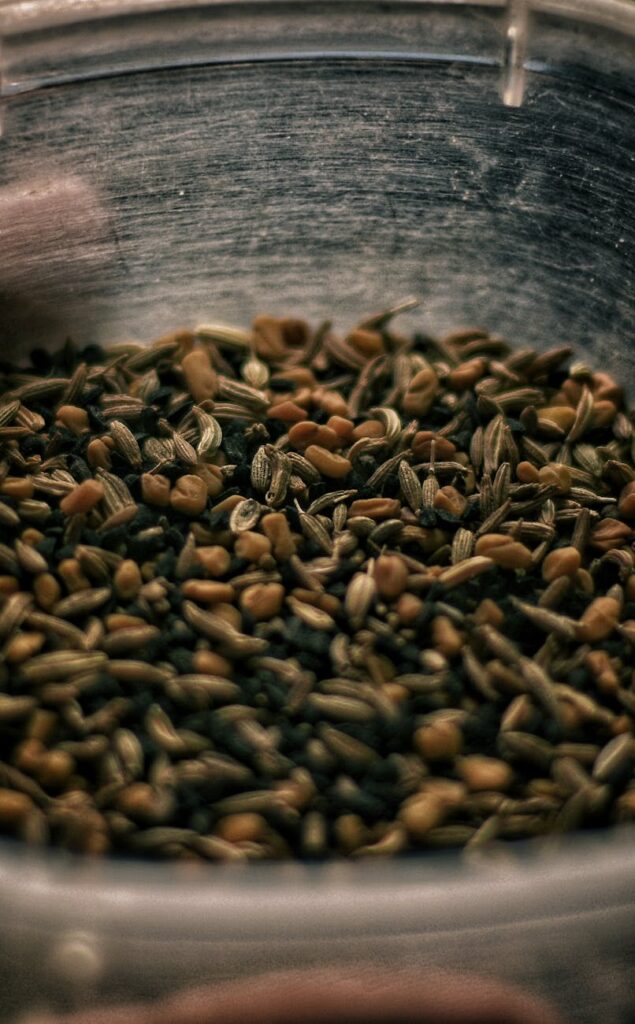
Post-harvest, fennel can be processed in various ways. Fresh bulbs can be stored in a cool, dark place, while seeds are dried and stored in airtight containers to retain flavor. Proper processing methods are essential to maintaining the quality and integrity of fennel as an ingredient.
Quality and Grading
Quality assessment of fennel involves several factors:
Visual Inspection
High-quality fennel should have a firm, plump bulb with a smooth surface. The foliage should be vibrant green, free of yellowing or wilting.
Aroma
Fresh fennel emits a distinctive anise-like aroma. A lack of fragrance can indicate age or poor storage conditions.
Texture
The texture of the bulb should be crisp and crunchy. A rubbery or soft consistency may suggest overripeness or improper storage.
Grading Standards
While specific grading standards can vary by region, generally, fennel is classified into different grades based on size, appearance, and overall quality. Familiarity with these standards can aid both producers and buyers in making informed decisions.
Buying Considerations
When purchasing fennel, whether from a market or a supplier, consider the following:
Freshness
Opt for bulbs that feel heavy and firm. The leaves should be bright and free from browning or wilting.
Source
Where fennel is sourced can influence its flavor and quality. Local, organic options often provide superior taste and freshness compared to mass-produced varieties.
Seasonality
Fennel is typically in season during late spring through early winter. Choosing fennel in season ensures peak flavor and quality.
Packaging
If purchasing pre-packaged fennel, inspect the packaging for any signs of moisture or damage, as these can affect freshness.
Uses and Applications
Fennel is a versatile ingredient, used in various forms across culinary applications:
Culinary Uses
Fennel can be consumed raw in salads, roasted, grilled, or sautéed. The seeds are commonly used in spice blends and as flavoring agents in baking and cooking.
Beverage Applications
Fennel seeds are frequently used in herbal teas and infusions, providing a soothing flavor and aroma.
Preservation
Fennel can also be pickled or fermented, enhancing its shelf life and adding unique flavors to dishes.
Storage and Shelf Life
Proper storage of fennel is crucial to maintain its quality:
Fresh Fennel
Store fresh fennel in the refrigerator, ideally wrapped in a damp paper towel and placed in a perforated plastic bag. Under these conditions, fennel can last up to a week.
Fennel Seeds
Fennel seeds should be stored in a cool, dark place in airtight containers to maintain