
Fennel Growing Guide Part 7
Introduction
Fennel, with its aromatic fronds and crisp bulb, is a versatile ingredient celebrated in cuisines worldwide. This guide delves into the intricate aspects of growing fennel, encompassing its history, cultivation techniques, and practical applications, ensuring that both amateur gardeners and seasoned horticulturists can successfully nurture this remarkable plant.
What Is Growing?
Growing refers to the cultivation of plants, encompassing all activities from seed selection to harvest. In the context of fennel, growing involves understanding its specific requirements for soil, light, and water, as well as its growth cycle and care needs. Fennel is a biennial herb, typically grown as an annual, and thrives in well-drained, nutrient-rich soil.
Successful cultivation entails a variety of practices, including seed preparation, transplanting, watering, fertilization, and pest control. Understanding these elements enables growers to maximize yield and quality while minimizing challenges, such as diseases and pests.
History and Origins
Fennel (Foeniculum vulgare) has a rich history that dates back to ancient civilizations. It is believed to be native to the Mediterranean region and has been cultivated for thousands of years. The Greeks and Romans revered fennel not only for its culinary attributes but also for its medicinal properties, using it in various rituals and as a symbol of strength and endurance.
Throughout its history, fennel has spread across Europe, Asia, and North America, adapting to diverse climates and culinary traditions. Today, fennel is a staple in many global cuisines, valued for its distinct flavor profile and versatility in dishes ranging from salads to soups.
Production and Processing
Fennel is cultivated primarily for its bulb and fronds. The production process begins with selecting high-quality seeds, typically sown in spring or fall, depending on the climate. Fennel prefers full sun and well-drained, sandy loam or loamy soil rich in organic matter.
Cultivation Techniques
1. Seeding: Seeds can be sown directly into prepared soil or started indoors for later transplanting. When sowing directly, ensure a spacing of 12-18 inches between plants to allow for adequate airflow and growth.
2. Watering: Fennel requires consistent moisture, particularly during dry spells. However, overwatering can lead to root rot, so it’s essential to maintain a balance.
3. Fertilization: A balanced fertilizer, rich in nitrogen, phosphorus, and potassium, can be applied during the growing season to promote healthy growth. Organic compost is also beneficial for enriching the soil.
4. Pest and Disease Management: Common pests include aphids and caterpillars, while diseases such as powdery mildew can affect growth. Employing crop rotation, companion planting, and organic pest control methods can help mitigate these issues.
5. Harvesting: Fennel bulbs are generally ready for harvest when they reach a diameter of 3-4 inches. The fronds can be harvested at any time during the growing season, ensuring a continuous supply of fresh flavor.
Quality and Grading
The quality of fennel is assessed based on several factors, including size, color, and firmness. High-quality fennel bulbs should be pale green to white, firm to the touch, and free from blemishes or soft spots. Fresh, vibrant fronds indicate healthy plants and should be bright green and perky.
In commercial production, grading standards may vary by region, but typically, fennel is categorized into grades based on these quality indicators. Higher grades often fetch better market prices and are preferred by culinary professionals.
Buying Considerations
When purchasing fennel, consider the following factors to ensure you are selecting the best product:
1. Freshness: Look for bulbs that are firm and free from signs of wilting or decay. Fronds should be bright green and aromatic.
2. Size: Choose bulbs that are medium-sized. Larger bulbs may be tough and woody, while smaller ones may lack flavor.
3. Seasonality: Fennel is typically in season from late spring to early fall. Buying in-season ensures better flavor and quality.
4. Source: Whenever possible, opt for locally grown fennel to support local farmers and reduce the carbon footprint associated with transportation.
5. Organic Options: Organic fennel is grown without synthetic pesticides and fertilizers, making it a preferable choice for those seeking a more environmentally friendly option.
Uses and Applications
Fennel’s unique flavor—sweet, anise-like, and mildly herbaceous—makes it a versatile ingredient in various culinary applications. The bulb is often sliced raw for salads, roasted, or braised, while the fronds serve as an aromatic herb, enhancing dishes with their fragrant quality.
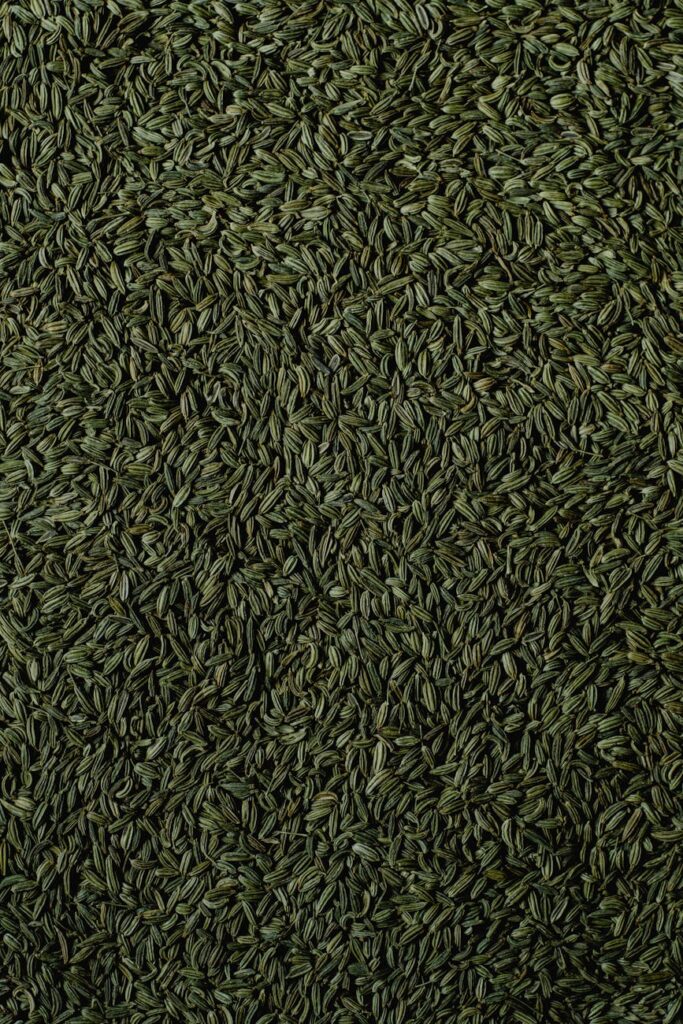
Fennel seeds, derived from the mature flowers, are also widely used as a spice in cooking and baking, contributing a warm, licorice-like flavor to dishes. Additionally, fennel is commonly used in herbal teas and liqueurs, showcasing its broad appeal in both savory and sweet contexts.
Storage and Shelf Life
Proper storage is essential to maintaining the freshness and quality of fennel.
1. Refrigeration: Fresh fennel should be stored in the vegetable crisper drawer of the refrigerator. Wrapped in a damp paper towel and placed in a plastic bag, it can last up to a week.
2. Freezing: For longer storage, fennel can be blanched and frozen. Cut the bulb into slices or dice the fronds, blanch them in boiling water for a few minutes, then cool in ice water before freezing in airtight containers.
3. Dried Seeds: Fennel seeds can be stored in a cool, dark place in airtight containers. They maintain their flavor for up to six months, though their potency may diminish over