
Fennel: Origins and Evolution
Introduction
Fennel (Foeniculum vulgare) is a versatile herbaceous plant recognized for its distinct flavor and aromatic qualities. Its unique profile makes it a staple in various culinary traditions, from Mediterranean to Indian cuisine. This article delves into the rich history, production, quality assessment, and more about fennel, illuminating its journey from cultivation to the culinary stage.
What Is Fennel?
Fennel is a flowering plant belonging to the Apiaceae family, which includes other well-known herbs such as parsley, carrots, and dill. It is characterized by its feathery leaves, yellow flowers, and bulbous base, which is often mistaken for an onion. Fennel is celebrated for its anise-like flavor, which is derived from its essential oils, particularly anethole. In cooking, it is used in various forms: fresh leaves, bulbs, seeds, and even as a dried spice.
Fennel is not just a culinary delight; it has been valued for its aromatic and digestive properties since ancient times. Its multifaceted uses make it an essential ingredient in kitchens worldwide.
History and Origins
Fennel’s origins can be traced back to the Mediterranean region, particularly in areas around the shores of Greece and Italy. Archeological evidence suggests that fennel has been cultivated for more than 2,000 years. The plant was highly regarded by ancient civilizations, including the Egyptians, Greeks, and Romans, who utilized it for both culinary and medicinal purposes.
In ancient Greece, fennel was associated with strength and was used by athletes to enhance stamina. The Romans valued it for its culinary applications and as a digestive aid. It was even mentioned in classical texts, such as those by Pliny the Elder, who documented its uses and benefits.
Fennel’s cultivation spread across Europe during the Middle Ages, where it became popular in various culinary traditions. Over time, it made its way to Asia and the Americas, adapting to different climates and regions. Today, fennel is cultivated globally, with significant production in Italy, India, China, and the United States.
Production and Processing
Fennel thrives in temperate climates and well-drained soil, requiring plenty of sunlight for optimal growth. The plant can be grown from seeds or transplants and typically reaches maturity in about 80 to 100 days.
Once harvested, fennel can be processed in several ways. The bulbs are typically washed, trimmed, and packaged for sale, while the seeds are dried and can be ground into a powder or sold whole. Quality control is essential during this process to ensure the flavors and aromas are preserved.
Modern agricultural practices have improved fennel production, with advancements in pest management and irrigation techniques helping farmers achieve better yields. Organic farming has also gained traction, offering consumers a chemical-free option.
Quality and Grading
The quality of fennel is determined by several factors, including color, aroma, texture, and overall freshness.
Bulb Quality
When assessing fennel bulbs, they should be firm, crisp, and free from blemishes or soft spots. The skin should have a bright white or pale green hue, indicating freshness. High-quality fennel bulbs possess a sweet, mild aroma indicative of their essential oils.
Seed Quality
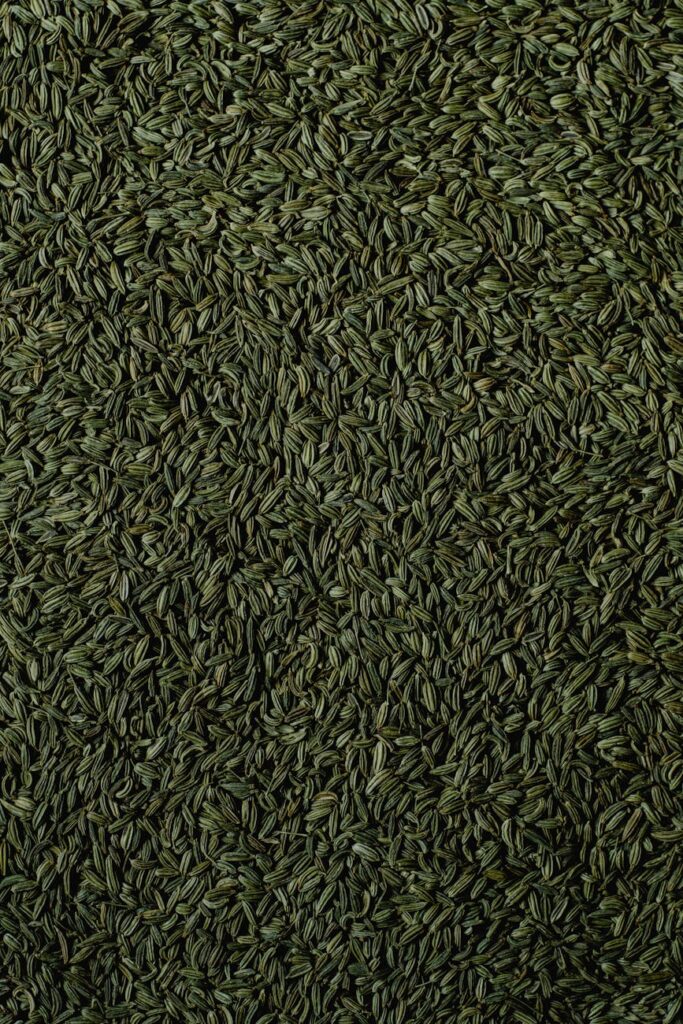
Fennel seeds should be evaluated based on their aroma, flavor, and appearance. Fresh seeds are usually greenish-brown and have a strong, sweet scent. Older seeds may lose their aromatic properties and thus are less desirable.
Grading Standards
In commercial markets, fennel may be graded based on size, shape, and overall quality. Higher grades are typically reserved for those that exhibit superior flavor and freshness, making them more appealing to chefs and consumers alike.
Buying Considerations
When purchasing fennel, several factors should be taken into account to ensure the best quality:
1. Freshness: Look for bulbs that feel heavy for their size and have a crisp texture. Avoid any that appear wilted or discolored.
2. Seasonality: Fennel is typically in season from late fall to early spring. Purchasing during this time may yield fresher and more flavorful options.
3. Organic vs. Conventional: Consider opting for organic fennel to avoid pesticides and chemicals, especially if you plan to use the leaves and bulbs raw.
4. Storage Conditions: If buying in bulk, ensure you have the proper storage conditions to maintain freshness until use.
5. Purchasing Form: Fennel is available in various forms, including fresh bulbs, fronds, and seeds. Choose based on the intended culinary application.
Uses and Applications
Fennel is an incredibly versatile ingredient with a multitude of uses in various culinary contexts:
Culinary Uses
- Fresh: The bulbs can be sliced and eaten raw in salads, providing a crunchy texture and a refreshing flavor. The fronds can be used as a garnish or to add flavor to dishes.
- Cooked: Fennel can be roasted, grilled, or sautéed, which enhances its natural sweetness and mellows its distinct flavor.
- Seeds: Fennel seeds are commonly used as a spice in various cuisines, adding depth and warmth to dishes. They are often found in spice blends and can be used to flavor teas and infusions.
Beverage Applications
Fennel is also utilized in beverages, particularly herbal teas, where its aromatic qualities can provide soothing effects. Fennel-infused spirits have gained popularity in craft cocktails, enhancing the complexity of flavors.
Preservation Methods
Fennel can be preserved through pickling, which enhances its crunchiness and introduces tangy flavors. Dried fennel seeds can be stored for extended periods, making them a convenient pantry staple.
Storage and Shelf Life
Proper storage is crucial for maintaining the freshness of fennel