
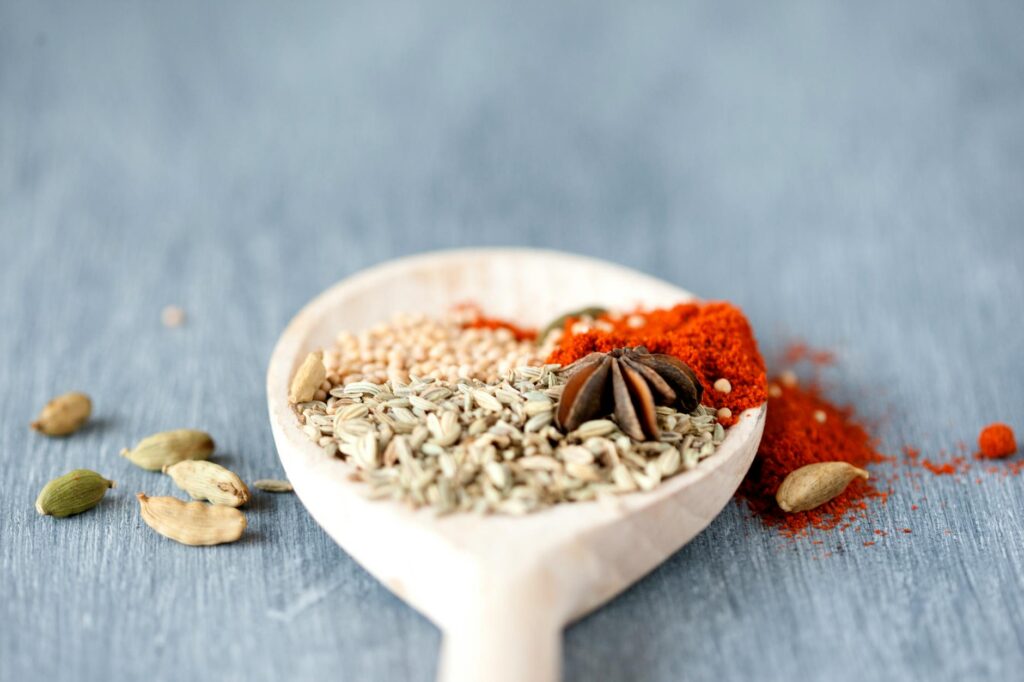
Fennel Pollen Grading Explained
Introduction
Fennel pollen, often referred to as the “spice of the angels,” is a unique ingredient celebrated for its aromatic qualities and multifaceted flavor profile. Derived from the flowers of the fennel plant (Foeniculum vulgare), this seasoning has gained popularity in culinary circles for its sweet, licorice-like flavor, reminiscent of anise and spices. As the demand for fennel pollen continues to rise, understanding the nuances of buying, grading, and selecting high-quality fennel pollen becomes essential for chefs, food enthusiasts, and home cooks alike. This article will delve into the intricacies of fennel pollen grading, providing valuable insights for those looking to enhance their culinary repertoire.
What Is Buying?
In the context of food ingredients, “buying” refers to the process of acquiring products for personal or commercial use. When it comes to fennel pollen, buying encompasses various considerations, including sourcing, quality assessment, pricing, and supplier reliability. The quality of fennel pollen can significantly impact its flavor and aroma, making informed purchasing decisions crucial for achieving the desired culinary results.
History and Origins
Fennel pollen has deep historical roots, particularly in Mediterranean cuisine, where it has been used for centuries. The fennel plant itself dates back to ancient times, with its use documented in various cultures for culinary, medicinal, and culinary purposes. Ancient Greeks and Romans valued fennel not only for its flavor but also for its purported health benefits.
In modern culinary practices, fennel pollen has been embraced as a gourmet ingredient, often featured in upscale restaurants and artisanal markets. Its rise in popularity can be attributed to a growing interest in unique, high-quality ingredients that can elevate dishes to new heights.
Production and Processing
The production of fennel pollen involves careful cultivation and harvesting of the fennel plant. The pollen is collected from the flowers, which bloom in late summer. This process requires precision, as the timing of the harvest is crucial to ensure optimal flavor and aromatic qualities.
Once harvested, the pollen is typically dried to preserve its flavor and aroma. Proper drying techniques are essential; excessive heat or prolonged exposure to moisture can diminish the quality of the pollen. After drying, fennel pollen can be packaged for sale, often in airtight containers to maintain freshness.
Quality and Grading
Quality and grading are pivotal aspects when it comes to buying fennel pollen. Understanding these factors can significantly influence the purchasing decision.
Factors Affecting Quality
1. Source: The geographical origin of fennel pollen can affect its flavor profile. Pollen sourced from regions with a long history of fennel cultivation, such as Italy and California, is often considered superior due to the favorable growing conditions and traditional harvesting methods.
2. Harvest Timing: The timing of the harvest plays a crucial role in determining the quality of fennel pollen. Pollen should be collected when the flowers are in full bloom, allowing for maximum flavor concentration.
3. Processing Techniques: The methods used to dry and package fennel pollen can influence its quality. Ideally, the pollen should be air-dried and stored in a cool, dark place to preserve its aromatic compounds.
Grading Systems
While there is no universal grading system for fennel pollen, various factors can help assess its quality:
- Color: High-quality fennel pollen typically exhibits a bright yellow to golden color, indicating freshness. Duller or darker pollen may suggest age or poor processing.
- Aroma: Fresh fennel pollen has a sweet, anise-like fragrance. A lack of aroma can indicate older or improperly stored pollen.
- Flavor: A high-quality product will deliver a complex, sweet flavor with a hint of earthiness. Inferior pollen may taste flat or overly bitter.
- Texture: Quality fennel pollen is fine and powdery, while lower-grade varieties may be coarse or clumpy.
- Seasoning: Fennel pollen can be used as a seasoning for meats, particularly pork, lamb, and poultry. Its aromatic qualities complement rich, savory flavors.
- Baking: The sweet, anise-like flavor of fennel pollen can be incorporated into baked goods, enhancing breads, pastries, and cookies.
- Soups and Stews: Adding fennel pollen to soups and stews can elevate the dish, infusing it with a subtle sweetness and depth.
- Salads and Vegetables: Sprinkle fennel pollen over roasted vegetables or fresh salads to add an aromatic touch.
- Infusions: Fennel pollen can be used to infuse oils, vinegars, or spirits, creating unique flavor profiles for dressings and cocktails.
Buying Considerations
When purchasing fennel pollen, several considerations can guide consumers in making informed choices:
1. Supplier Reputation: Choose suppliers with a solid reputation for quality. Consider artisanal producers or specialty spice shops known for their commitment to high-quality ingredients.
2. Organic Certification: If possible, opt for organic fennel pollen, as this ensures that the product has been grown without harmful pesticides or synthetic fertilizers.
3. Packaging: Look for products packaged in airtight containers that protect the pollen from light and moisture, which can degrade its quality.
4. Freshness: Check the packaging for harvest or expiration dates. Fresh fennel pollen is far superior in flavor and aroma.
5. Price: While higher price points can be indicative of quality, it’s essential to balance cost with the other factors mentioned.
Uses and Applications
Fennel pollen is a versatile ingredient that can enhance a wide range of dishes. Its unique flavor makes it suitable for various culinary applications:
Storage and Shelf Life
Proper storage is essential for maintaining the quality of fennel pollen. Store it in an airtight container in a cool, dark place, away from direct sunlight and moisture