
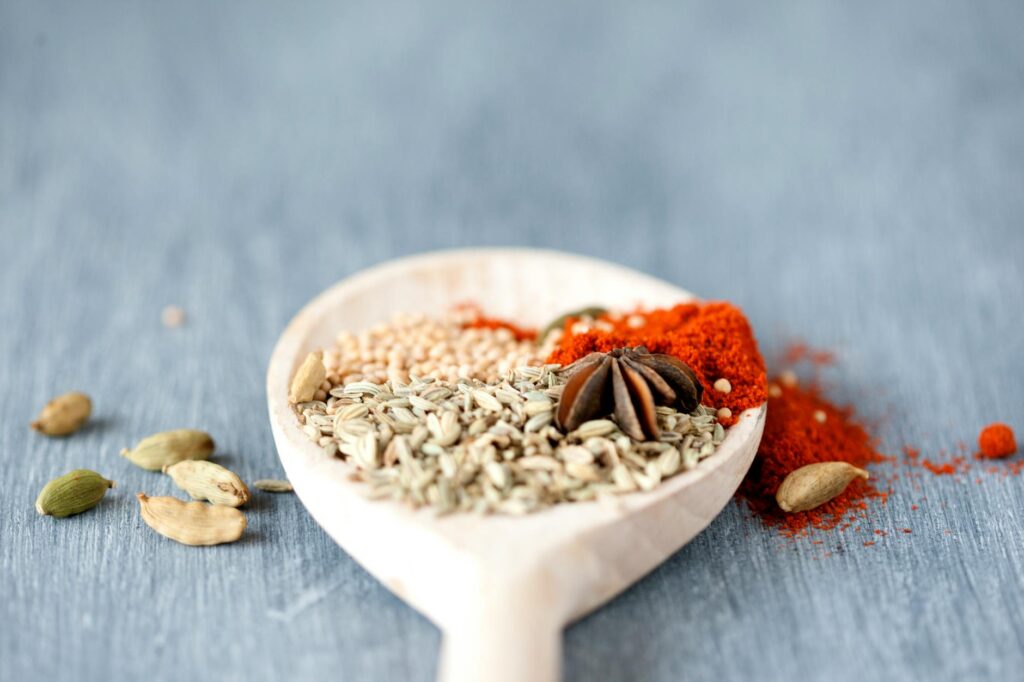
Fennel Pollen Production by Country
Introduction
Fennel pollen, often referred to as the “spice of the angels,” is a unique and aromatic ingredient derived from the flowering tops of the fennel plant (Foeniculum vulgare). Revered for its complex flavor profile, which combines hints of licorice, citrus, and spice, fennel pollen has gained traction in culinary circles and gourmet cooking. This article delves into the production of fennel pollen by country, exploring its origins, processing methods, and the nuances that differentiate fennel pollen from various regions.
What Is Regions?
In the context of fennel pollen production, “regions” refers to the geographical areas where fennel is cultivated and where the pollen is harvested. These regions are essential as they influence the quality, flavor, and aromatic characteristics of the fennel pollen. Factors such as climate, soil composition, local agricultural practices, and cultural significance contribute to the uniqueness of fennel pollen from different countries.
History and Origins
Fennel has a storied history that dates back to ancient civilizations. Native to the Mediterranean region, fennel was utilized by the Egyptians, Greeks, and Romans for culinary and medicinal purposes. The earliest records of fennel pollen being used date back to the Romans, who prized it for its flavor and believed it could enhance health and vitality.
Over centuries, fennel cultivation spread across Europe, Asia, and eventually to the Americas. Each culture embraced fennel and its pollen, incorporating it into their culinary traditions. Today, countries such as Italy, France, and India are renowned for their high-quality fennel pollen, each offering distinct flavor profiles shaped by local growing conditions and practices.
Production and Processing
Italy
Italy is perhaps the most celebrated producer of fennel pollen, particularly in regions like Sardinia and Sicily. The warm Mediterranean climate, combined with fertile volcanic soil, creates ideal conditions for fennel plants to thrive. Harvesting typically occurs in late summer when the flowers are in full bloom. Farmers hand-harvest the blossoms, ensuring minimal damage to the delicate flowers. The collected flowers are then laid out to dry, allowing the pollen to fall naturally.
France
France, particularly the Provence region, is another significant player in fennel pollen production. The local terroir contributes to the distinct flavor of the pollen, which is known for its fruity and slightly sweet notes. French producers often employ traditional harvesting techniques, preserving the artisanal quality of their product. The pollen is dried and packaged for culinary use, often marketed as a gourmet ingredient.
India
In India, fennel pollen is less commonly known but is gaining popularity, especially in the culinary sectors of regions like Gujarat and Rajasthan, where fennel (called “saunf”) is a staple spice. Indian producers often use fennel seeds in cooking, but the pollen is harvested during the flowering phase, primarily for use in specific dishes and for its aromatic properties. The production methods vary, with both traditional and modern techniques employed, depending on the scale of production.
United States
In the United States, fennel pollen production is still in its nascent stages compared to Europe and Asia. California, with its Mediterranean-like climate, is a suitable environment for fennel cultivation. Small-scale farmers and specialty growers have begun to harvest fennel pollen, often focusing on organic and sustainable practices. The pollen is marketed to gourmet chefs and food enthusiasts, highlighting its artisanal quality and local origins.
Quality and Grading
The quality of fennel pollen can vary significantly based on several factors, including the region of production, growing conditions, and harvesting methods. High-quality fennel pollen is typically characterized by its vibrant yellow color, aromatic scent, and a well-balanced flavor profile.
Grading Standards
Grading standards for fennel pollen are not universally defined; however, certain criteria are commonly used to assess quality:
- Color: High-quality fennel pollen should exhibit a bright yellow to golden hue, indicating freshness.
- Aroma: A strong, fragrant aroma is essential. Fresh pollen should smell sweet, with licorice and herbal notes.
- Flavor: The flavor should be complex yet balanced, with no off-tastes or bitterness.
- Purity: Quality fennel pollen should contain minimal stems or other plant materials.
- Source: Look for products from reputable suppliers who provide information about the origin and production methods.
- Packaging: Fennel pollen is sensitive to light and moisture. Purchase pollen that is stored in airtight, opaque containers to preserve freshness.
- Freshness: Check for harvest dates or best-before dates to ensure you are buying fresh pollen.
- Organic Certification: If possible, opt for organic fennel pollen to avoid pesticides and other chemicals that may affect flavor and quality.
- Seasoning: Fennel pollen can be used as a seasoning for meats, fish, and vegetables, adding depth and complexity to the dish.
- Baking: Incorporating fennel pollen into bread or pastry recipes can impart a subtle sweetness and aromatic quality.
- Infusions: Fennel pollen can be infused into oils, vinegars, and broths to create flavorful bases for dressings and sauces.
- Garnishing: The pollen can be used as a finishing touch for soups, salads, and plated dishes, enhancing both visual appeal and flavor.
- It’s Just Fennel Seeds: Many confuse fennel pollen with fennel seeds. While both come from the fennel plant, they are distinct products with different flavors and uses.
- It’s Only for Certain Cuisines: While fennel pollen is often associated with Mediterranean cuisine, it can be utilized in a variety of culinary traditions, including Asian and American dishes.
- It’s a Rare Ingredient: Though less common than other spices, fennel pollen is becoming more accessible in gourmet markets and online, dispelling the notion that it is an elusive ingredient.
Buying Considerations
When purchasing fennel pollen, several factors should be taken into account to ensure a high-quality product:
Uses and Applications
Fennel pollen is a versatile ingredient that can be used in a variety of culinary applications. Its unique flavor enhances numerous dishes, making it a favorite among chefs and home cooks alike. Some common uses include:
Storage and Shelf Life
To maintain the quality and flavor of fennel pollen, proper storage is essential. Fennel pollen should be stored in a cool, dark place, ideally in an airtight container. When stored correctly, fennel pollen can retain its flavor for up to one year. However, frequent exposure to air, light, or moisture can lead to a loss of potency and aroma.
For long-term storage, consider refrigerating or freezing fennel pollen in a sealed container to extend its shelf life, but be mindful to keep it away from strong odors that could affect its aromatic profile.
Common Misconceptions
Despite its growing popularity, several misconceptions surround fennel pollen:
Frequently Asked Questions
1. What does fennel pollen taste like?
Fennel pollen has a complex flavor profile, often described as sweet with hints of licorice, citrus, and herbs. Its taste can vary based on the region of production and the conditions under which the fennel was grown.
2. How do you harvest fennel pollen?
Fennel pollen is harvested by hand, typically when the flowers are in full bloom. Farmers collect the flowering tops, allowing the pollen to fall naturally as they dry.
3. Can fennel pollen be used in desserts?
Yes, fennel pollen can add a unique flavor to desserts, particularly those with citrus or anise notes. It can be incorporated into baked goods or used as a garnish.
4. Is fennel pollen gluten-free?
Yes, fennel pollen is naturally gluten-free and can be used by those with gluten sensitivities.
5. How can I incorporate fennel pollen into my cooking?
Fennel pollen can be used to season meats, vegetables, or even incorporated into sauces and dressings for added flavor. It can also be used as a finishing touch for various dishes.
6. Where can I buy fennel pollen?
Fennel pollen can be found in specialty spice shops, gourmet grocery stores, and online retailers. Always check for quality and freshness when purchasing.
Conclusion
Fennel pollen is a remarkable ingredient with a rich history and diverse applications. Understanding the nuances of its production across different countries allows consumers to appreciate its unique qualities and enhance their culinary creations. By considering the factors discussed in this article, chefs and home cooks alike can make informed decisions when purchasing and using fennel pollen, unlocking the potential of this aromatic spice in their kitchens.