
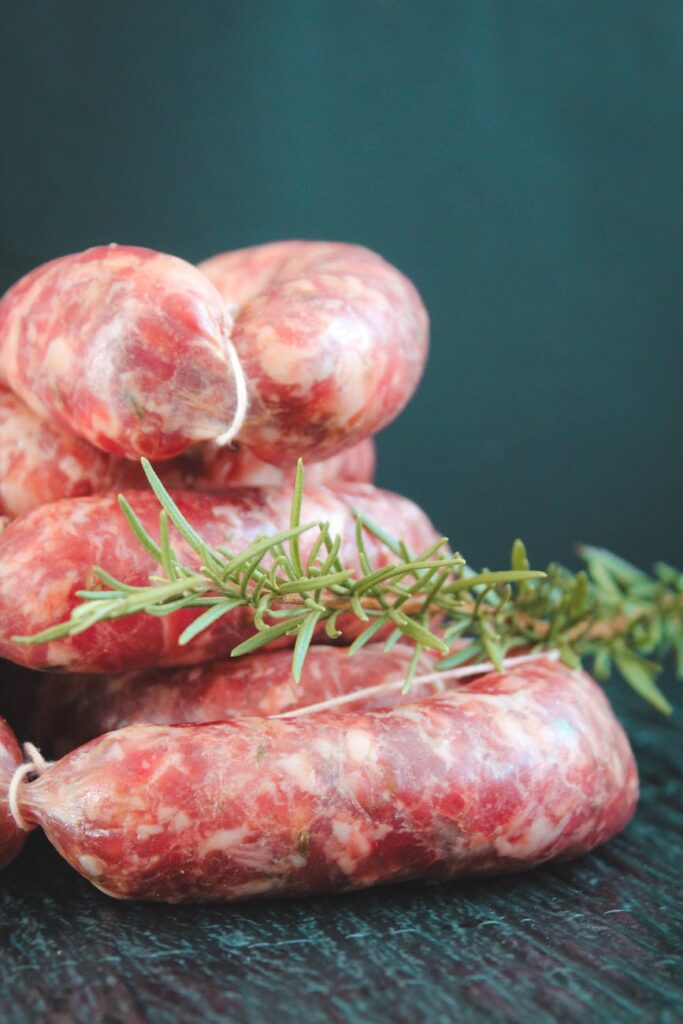
Fennel Sausage About Guide Part 6
Introduction
Fennel sausage is a distinctive and flavorful type of sausage that integrates the aromatic qualities of fennel seeds with various meats, typically pork. This ingredient is celebrated in numerous culinary traditions, particularly in Italian and Mediterranean cuisines, where its unique flavor profile enhances a variety of dishes. This guide aims to delve into the multifaceted world of fennel sausage, exploring its history, production methods, quality metrics, and more.
What Is Fennel Sausage?
Fennel sausage is characterized by the inclusion of fennel seeds, which impart a sweet, anise-like flavor to the meat. The base meat, often pork, is combined with a blend of spices, fat, and, in some cases, additional herbs, resulting in a rich and aromatic sausage. The texture can vary from coarse to fine, depending on the production methods and intended use.
Fennel sausage is often categorized into two primary types: fresh and cured. Fresh fennel sausage is typically sold uncooked and requires grilling, frying, or baking before consumption. In contrast, cured varieties undergo a fermentation process, allowing for a longer shelf life and enhanced flavor profiles.
History and Origins
The roots of fennel sausage can be traced back to ancient culinary traditions, with fennel itself being used since antiquity both as a spice and a medicinal herb. Fennel’s use in sausages is particularly prominent in Italian cooking, especially in regions like Tuscany and Emilia-Romagna, where the combination of pork and fennel seeds has become a staple.
Historically, sausages were a means of preserving meat, and the addition of spices like fennel helped mask any off-flavors from aging meats. Over time, fennel sausage gained popularity not just for its preservation qualities but also for its delightful taste, leading to its establishment as a beloved ingredient in various cuisines worldwide.
Production and Processing
The production of fennel sausage involves several key steps, each crucial to achieving the desired flavor and texture.
1. Meat Selection: The choice of meat is foundational. While pork is the most common choice, some variations may include beef, lamb, or poultry.
2. Grinding: The selected meat is ground to a specific coarseness. This step can significantly influence the final texture of the sausage.
3. Spice Mixture: Fennel seeds are the star ingredient, but other spices such as black pepper, garlic, and salt are often included to enhance flavor.
4. Mixing: The ground meat and spice mixture are thoroughly combined to ensure an even distribution of flavors.
5. Stuffing: The sausage mixture is then stuffed into casings, which can be natural (animal intestines) or synthetic. The choice of casing can affect both the texture and the cooking method.
6. Curing (if applicable): For cured varieties, sausages are hung to dry in controlled environments, allowing for fermentation and the development of complex flavors.
7. Packaging: Once processed, fennel sausages are packaged for sale. Fresh varieties are typically refrigerated, while cured versions may be vacuum-sealed or stored in dry conditions.
Quality and Grading
The quality of fennel sausage can be assessed based on several factors:
- Meat Quality: High-quality sausages are made from fresh, well-sourced meat. The fat content is also crucial, as it contributes to the flavor and moisture of the sausage.
- Spice Quality: The freshness and quality of fennel seeds and other spices used play a pivotal role in flavor. Whole seeds tend to provide a more robust flavor compared to pre-ground spices.
- Texture: A well-made sausage should have a pleasant mouthfeel that is neither too coarse nor too mushy.
- Aroma: The aroma of fennel sausage should be inviting, with a balanced scent of fennel and other spices.
- Appearance: Fresh fennel sausages should have a consistent color with no discoloration, while cured varieties should show a nice sheen and firmness.
- Source: Opt for sausages from reputable butchers or artisanal producers known for their quality. Local products might offer fresher options.
- Ingredients: Always check the ingredient list. High-quality fennel sausage should contain minimal additives and preservatives, focusing instead on meat and natural spices.
- Type: Decide whether you need fresh or cured sausages based on your intended use. Fresh sausages require cooking, while cured varieties are ready to eat.
- Seasonality: Some producers offer seasonal variations of fennel sausage, incorporating fresh herbs or spices that may enhance their flavor.
- Packaging: Ensure that the packaging is intact and properly sealed. For fresh sausages, check the sell-by date.
- Pasta Dishes: Fennel sausage is a popular choice in pasta sauces, where it adds depth and richness.
- Pizza Toppings: The aromatic qualities of fennel sausage make it a favored topping for pizzas, enhancing the overall flavor profile.
- Breakfast Dishes: Often served at breakfast, fennel sausage pairs well with eggs, either as a side or incorporated into omelets.
- Grilled or Pan-Seared: Fresh fennel sausage can be grilled or pan-seared, allowing the spices to caramelize and develop a rich, savory flavor.
- Stuffed Dishes: It can also be used as a stuffing
Grading systems may vary by region, but sausages made with higher-quality ingredients and traditional methods often command greater value.
Buying Considerations
When purchasing fennel sausage, several factors should be taken into account:
Uses and Applications
Fennel sausage is versatile and can be incorporated into various dishes. Its unique flavor complements a range of culinary applications, including: