
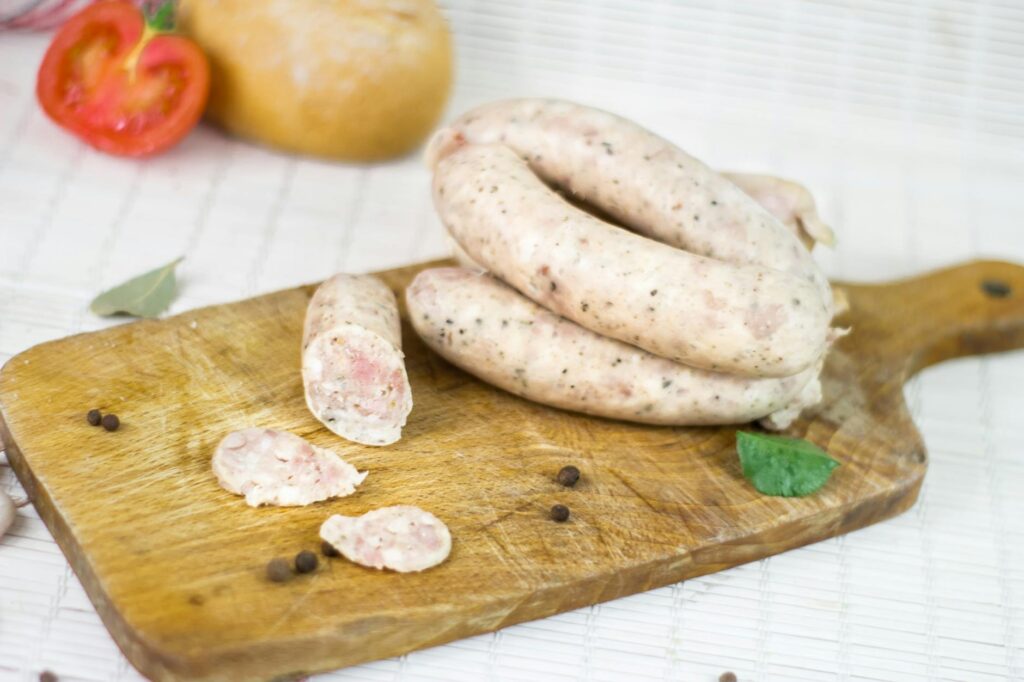
Fennel Sausage FAQs Answered
Introduction
Fennel sausage is a beloved ingredient in various culinary traditions, offering a unique flavor profile that distinguishes it from other types of sausage. Its aromatic qualities and distinct taste have made it a favorite for chefs and home cooks alike. This article seeks to provide comprehensive insights into fennel sausage, addressing common questions and misconceptions while guiding readers through its history, production, quality grading, and more.
What Is Guides?
In the context of culinary ingredients, “Guides” serve as comprehensive handbooks that encapsulate essential information about specific food items. For fennel sausage, guides encompass aspects such as flavor profiles, preparation methods, and culinary applications. They aim to educate consumers and culinary professionals, providing a thorough understanding of the ingredient’s versatility and importance in various cuisines.
History and Origins
The origins of fennel sausage can be traced back to ancient Mediterranean cultures. Fennel, a plant native to the region, has been used as both a spice and a medicinal herb for centuries. The use of fennel in sausage-making likely began as a means to enhance flavor and mask the taste of less-fresh meats.
In Italy, particularly in regions like Tuscany and Calabria, fennel sausage has become a staple, often featuring in traditional dishes. It is typically made from pork, seasoned with crushed fennel seeds, and sometimes accompanied by other herbs and spices. The use of fennel in sausage-making is not limited to Italy; various cultures around the Mediterranean and beyond have adopted this practice, leading to a range of regional variations.
Production and Processing
The production of fennel sausage involves several key steps:
1. Selection of Meat: High-quality pork is the primary meat used in fennel sausage. Cuts such as shoulder or belly are commonly chosen due to their balance of fat and meat.
2. Seasoning: The defining characteristic of fennel sausage is its seasoning. Crushed fennel seeds are the star ingredient, providing a sweet, anise-like flavor. Other spices, such as black pepper, garlic, and salt, may also be added depending on regional recipes.
3. Grinding and Mixing: The selected meat is ground to a specific consistency. The fennel and other seasonings are then mixed thoroughly with the meat to ensure an even distribution of flavors.
4. Stuffing: The seasoned meat mixture is stuffed into casings, which can be natural (derived from animal intestines) or synthetic. The type of casing can impact the sausage’s texture and flavor.
5. Curing: Depending on the type of fennel sausage being produced, curing may be involved. Fresh fennel sausage is typically meant for immediate consumption, while some varieties are cured for preservation and flavor development.
6. Cooking: Fennel sausage can be cooked in various ways—grilling, pan-frying, or baking—depending on the desired end dish.
Quality and Grading
Quality in fennel sausage is determined by several factors, including the quality of the meat, the freshness of the spices, and the production methods employed. Here are some key points to consider regarding quality and grading:
- Meat Quality: The best fennel sausages are made from high-quality pork, preferably sourced from reputable farms that adhere to humane and sustainable practices.
- Ingredient Freshness: Fresh fennel seeds and other spices are crucial for achieving the desired flavor. Stale spices can lead to a bland or off-tasting product.
- Casing Integrity: The casing should be intact and free from tears, as this affects the sausage’s ability to hold moisture and flavor during cooking.
- Appearance: A good fennel sausage should have a consistent texture and color, with visible flecks of fennel seeds throughout.
- Taste: Ultimately, the flavor should be well-balanced, with the sweet, aromatic notes of fennel complemented by the richness of the meat.
- Pasta Dishes: Fennel sausage pairs well with pasta, adding depth and flavor to sauces.
- Pizza Topping: Its robust flavor makes it an excellent choice as a pizza topping, complementing cheeses and vegetables.
- Breakfast Dishes: Often served alongside eggs or in breakfast burritos, fennel sausage adds a delightful twist to morning meals.
- Stuffing: It can be used as a stuffing for vegetables or meats, enhancing the dish’s overall flavor profile.
- Charcuterie Boards: Fennel sausage can be included in charcuterie boards, where its unique flavor contrasts with cheeses, olives, and nuts.
- Fennel Is Only for Italian Cuisine: While fennel sausage is a staple in Italian cooking, it has been embraced by various cuisines worldwide, including Greek and Spanish.
- All Sausages with Fennel Taste the Same: The flavor profile of fennel sausage can vary greatly depending on the specific blend of spices and the quality of the meat used.
- Fennel Sausage Is Unhealthy: Like all sausages, fennel sausage can be part of a balanced diet when consumed in moderation. Quality ingredients often lead to healthier options compared to heavily processed alternatives.
Buying Considerations
When purchasing fennel sausage, there are several important factors to keep in mind:
1. Source: Look for sausages from reputable butchers or specialty stores that prioritize quality and transparency in their sourcing.
2. Ingredients List: Check for the ingredients used. Ideally, you want a product with minimal additives and preservatives.
3. Freshness: Pay attention to the sell-by date. Fresh sausages should be consumed within a few days of purchase or frozen for longer storage.
4. Variety: Fennel sausage comes in various forms, including fresh, smoked, or cured. Choose the type that best fits your culinary needs.
5. Price: Quality fennel sausage may be more expensive than mass-produced options, but investing in high-quality products often yields better flavor and texture.
Uses and Applications
Fennel sausage is exceptionally versatile and can be employed in a multitude of dishes:
Storage and Shelf Life
Proper storage is essential to maintain the quality of fennel sausage:
1. Refrigeration: Fresh fennel sausage should be stored in the refrigerator and consumed within 1-2 days of purchase for optimal freshness.
2. Freezing: If you need to store fennel sausage for a longer period, it can be frozen. Wrap it tightly in plastic wrap or aluminum foil, and place it in an airtight container or freezer bag. Frozen fennel sausage can last up to three months.
3. Thawing: When ready to use, thaw frozen fennel sausage in the refrigerator or cold water—not at room temperature—to ensure food safety.
4. Cooked Sausage: Once cooked, fennel sausage can be stored in the refrigerator for up to three days. It can also be frozen for later use.
Common Misconceptions
Despite its popularity, fennel sausage is often surrounded by misconceptions:
Frequently Asked Questions (6 FAQs)
1. What is fennel sausage primarily made from?
Fennel sausage is primarily made from pork, seasoned with crushed fennel seeds and other spices, which can vary by region and recipe.
2. How do I tell if fennel sausage is fresh?
Fresh fennel sausage should have a pleasant aroma, a firm texture, and a bright color. It should not have an off-putting smell or slimy texture.
3. Can fennel sausage be eaten raw?
Raw fennel sausage is not safe to eat. It should always be cooked to the appropriate internal temperature to ensure food safety.
4. What is the best way to cook fennel sausage?
Fennel sausage can be grilled, pan-fried, baked, or simmered. The method chosen can affect the flavor and texture, so it depends on personal preference and the dish being prepared.
5. Is there a vegetarian alternative to fennel sausage?
Yes, there are vegetarian and vegan alternatives that mimic the flavor profile of fennel sausage, often made from plant-based proteins and seasoned with fennel and other spices.
6. Can fennel sausage be frozen?
Yes, fennel sausage can be frozen for up to three months. It should be tightly wrapped and stored in an airtight container to prevent freezer burn.
Conclusion
Fennel sausage is a culinary gem that combines rich flavors and aromatic spices, making it a versatile ingredient in various dishes. By understanding its history, production, quality considerations, and proper storage methods, both consumers and culinary professionals can make informed choices when incorporating fennel sausage into their cooking repertoire. Whether enjoyed in a classic Italian dish or as part of a modern culinary creation, fennel sausage continues to delight palates around the world.