
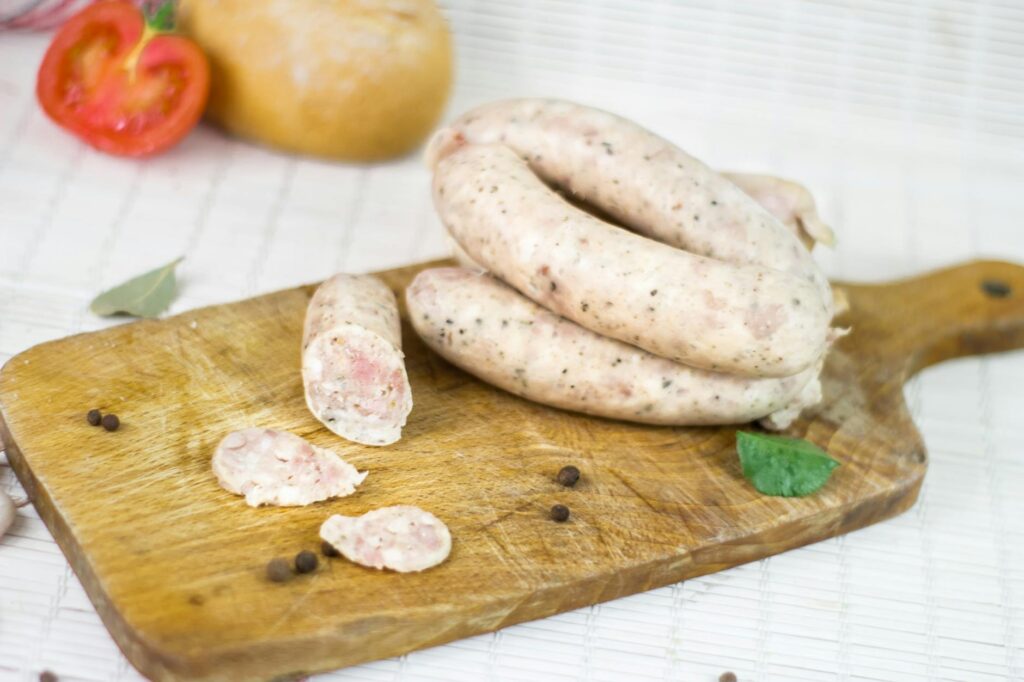
Fennel Sausage Myths and Misconceptions
Introduction
Fennel sausage, a beloved culinary staple in various cuisines, often finds itself at the center of debates and misunderstandings. Its unique flavor profile, characterized by the sweet, aromatic notes of fennel seeds, has garnered a loyal following among food enthusiasts. However, with popularity comes a plethora of myths and misconceptions that can cloud the understanding of this distinctive ingredient. This article aims to demystify fennel sausage by exploring its history, production methods, and common misunderstandings, helping both culinary novices and seasoned chefs appreciate this flavorful addition to their culinary repertoire.
What Is Fennel Sausage?
Fennel sausage is a type of sausage that incorporates fennel seeds or fennel pollen into its seasoning mix. The use of fennel lends the sausage a sweet, anise-like flavor that distinguishes it from other varieties. Fennel sausage can be crafted from various types of meat, including pork, beef, and poultry, and may be found in both fresh and cured forms. Its versatility allows it to be used in a wide array of dishes, from traditional Italian pastas to contemporary gourmet creations.
History and Origins
The origins of fennel sausage can be traced back to ancient culinary traditions. Fennel, a herb native to the Mediterranean region, has been used for thousands of years, both as a seasoning and for its medicinal properties. Ancient Romans were among the first to incorporate fennel into their sausages, recognizing its ability to enhance flavors and aid digestion.
In Italy, particularly in regions like Tuscany and Emilia-Romagna, fennel sausage became a staple. The use of fennel seeds in sausage-making not only added flavor but also acted as a preservative, contributing to the longevity of the product. Over time, various cultures adapted fennel sausage to their local tastes, creating a diverse array of recipes and preparation methods celebrated worldwide today.
Production and Processing
The production of fennel sausage involves several steps, each crucial to achieving the desired flavor and texture. High-quality cuts of meat are selected, typically pork, which is known for its fat content that contributes to the sausage’s juiciness. Fennel seeds, either whole or ground, are blended into the meat mixture, often accompanied by other spices like garlic, black pepper, and salt.
Once the meat and spices are thoroughly combined, the mixture is stuffed into casings—usually made from animal intestines or synthetic materials. After stuffing, the sausages are either left fresh for immediate consumption or subjected to curing processes that may involve smoking or drying to enhance flavor and shelf life.
Quality control is imperative throughout production. Factors such as the source of the meat, the freshness of the fennel, and the cleanliness of the processing environment all play a vital role in determining the final product’s quality.
Quality and Grading
Not all fennel sausages are created equal. Quality can vary significantly based on several factors, including the type of meat used, the proportion of fennel, and the overall production practices. When evaluating fennel sausage, consumers should look for the following indicators of quality:
- Ingredient Transparency: High-quality fennel sausage will list its ingredients clearly, highlighting natural components without fillers or artificial additives.
- Meat Source: Sausages made from pasture-raised or organic meats are often superior in flavor and texture. The quality of the animals’ diet directly impacts the meat’s quality.
- Fennel Freshness: Freshly ground or whole fennel seeds yield a more vibrant flavor. Older spices may lose their potency, leading to a diminished taste experience.
- Texture: A well-made fennel sausage should have a firm yet tender texture, with a good balance of meat and fat. It should not feel overly greasy or dry.
- Aroma: The fragrance of fennel should be prominent, complemented by other spices without being overwhelming.
- Pasta Dishes: Fennel sausage pairs beautifully with various pasta shapes, especially in sauces that highlight its aromatic qualities. It can be sautéed with garlic and tomatoes or incorporated into creamy sauces.
- Breakfast Dishes: Often used in breakfast casseroles or as a filling for omelets, fennel sausage can elevate morning meals with its unique flavor.
- Pizza Topping: The sweet and savory notes of fennel sausage make it an excellent topping for pizzas, adding depth to the overall flavor profile.
- Stuffing and Meatballs: Fennel sausage can be incorporated into stuffing mixtures for poultry or
Buying Considerations
When purchasing fennel sausage, consumers should consider several aspects to ensure they are selecting a high-quality product:
1. Source: Opt for trusted butchers or specialty shops known for their artisanal sausages. Local producers often have a commitment to quality and can provide insight into their production methods.
2. Labeling: Look for labels that specify the type of meat used and sourcing practices. Organic or grass-fed options are generally preferable.
3. Freshness: Check the sell-by date and opt for freshly made sausages whenever possible. A vibrant aroma can also indicate freshness.
4. Flavor Profile: Familiarize yourself with the flavor profile of fennel sausage. Some brands may lean more towards sweetness, while others may provide a spicier kick.
5. Casing: The type of casing used can affect the texture. Natural casings tend to provide a satisfying snap when bitten into, while synthetic casings may not offer the same experience.
6. Preparation Style: Consider whether you want fresh or cured fennel sausage. Fresh sausages are best cooked immediately, while cured varieties have a longer shelf life and can be enjoyed in various dishes.
Uses and Applications
Fennel sausage’s distinct flavor makes it a versatile ingredient in numerous culinary applications. Here are some popular uses: