
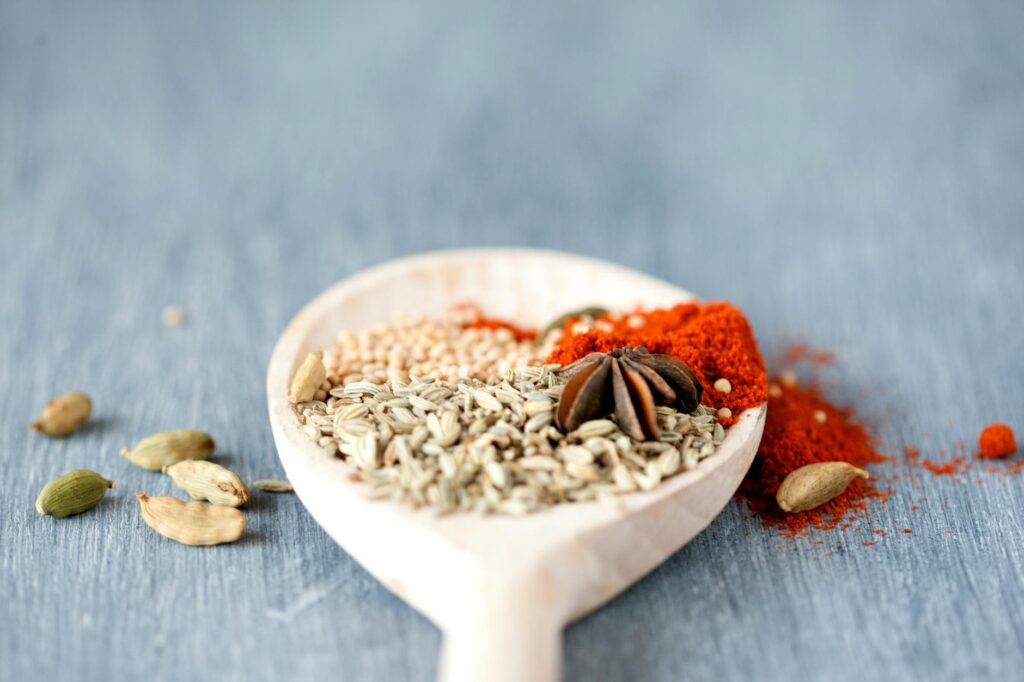
Fennel Seeds Around the World
Introduction
Fennel seeds, derived from the flowering plant Foeniculum vulgare, are aromatic seeds that have captivated culinary enthusiasts and herbalists alike. Their distinct anise-like flavor and versatile applications make them a staple in various global cuisines. This article delves into the diverse regions where fennel seeds are cultivated, their historical significance, production practices, and much more.
What Is Regions?
The term “regions” in the context of fennel seeds refers to the geographical areas where this herb is grown, as well as the cultural practices surrounding its use. Fennel seeds thrive in temperate climates, and their cultivation is prominent in regions such as the Mediterranean, India, and parts of North America. Each of these regions brings its own unique flavor profile, processing techniques, and culinary applications, contributing to the global diversity of fennel seeds.
History and Origins
Fennel has a rich history that dates back thousands of years. Native to the Mediterranean region, it was first cultivated by the ancient Greeks and Romans, who used it as both a culinary herb and a medicinal plant. Fennel seeds were notably mentioned in ancient texts, including the works of the Roman author Pliny the Elder, who praised their digestive benefits.
Throughout the Middle Ages, fennel spread across Europe, particularly in Italy, where it became a key ingredient in various regional dishes. Its use in Indian cuisine also has a long history, where it is often included in spice blends and used as a mouth freshener after meals. Today, fennel seeds are cultivated in numerous countries, with India being the largest producer, followed closely by China, Egypt, and Turkey.
Production and Processing
Fennel seeds are primarily harvested from the flowering heads of the fennel plant. The seeds are collected after they have fully matured and dried on the plant. The ideal time for harvesting is crucial, as premature harvesting can lead to underdeveloped seeds with less flavor.
Once harvested, fennel seeds undergo a processing stage that typically includes cleaning, drying, and packaging. The seeds are often cleaned to remove any impurities and are then dried to enhance their shelf life. In some regions, particularly in India, fennel seeds may be roasted to intensify their flavor before being packaged for sale. This processing not only maintains the seeds’ quality but also ensures that they are ready for various culinary applications.
Quality and Grading
Quality and grading of fennel seeds are essential for both culinary and commercial purposes. High-quality fennel seeds are characterized by a rich, aromatic scent and a vibrant color, typically ranging from light brown to greenish-brown. The grading process often takes into account factors such as seed size, uniformity, and moisture content.
In many regions, particularly in India, fennel seeds are graded into different categories—often based on size and aroma. The best grades are often used in premium products, while lower grades may find their way into bulk products or lower-quality spice mixes. Understanding these grading systems can help consumers make informed choices when purchasing fennel seeds.
Buying Considerations
When purchasing fennel seeds, several considerations can enhance the quality of your selection. First, opt for whole seeds rather than ground fennel. Whole seeds maintain their flavor and fragrance longer than their ground counterparts, which can lose potency over time.
Look for seeds that are fresh and aromatic; a lack of scent may indicate that the seeds are stale. Purchasing from reputable sources, such as specialty spice shops or trusted online retailers, can also ensure quality. Additionally, consider the origin of the seeds. Regions like India and Egypt are known for producing high-quality fennel seeds, while local sources may offer fresher options.
Uses and Applications
Fennel seeds boast a remarkable versatility that spans across various culinary traditions.
Culinary Uses
In Mediterranean cuisine, fennel seeds are often used to flavor sausages, breads, and pastries. Their sweet, licorice-like flavor complements both savory and sweet dishes, making them a favored ingredient in Italian and Greek recipes. In Indian cooking, fennel seeds are a key component in spice blends like panch phoron and are often used in curries and vegetable dishes.
Beverage Applications
In addition to their culinary uses, fennel seeds are also popular in beverages. They can be steeped in hot water to make a soothing herbal tea or used as a flavoring in spirits like absinthe and aquavit.
Aromatic Uses
The aromatic properties of fennel seeds have led to their inclusion in potpourris and sachets, where they contribute their pleasant scent while also serving as a natural insect repellent.
Storage and Shelf Life
To preserve the quality of fennel seeds, proper storage is essential. They should be kept in a cool, dark place in an airtight container to prevent moisture, light, and air from degrading their flavor. When stored correctly, whole fennel seeds can last for up to two years, while ground fennel seeds typically have a shorter shelf life of about six months.
It’s advisable to check for any signs of spoilage, such as an off smell or discoloration, before using fennel seeds that have been stored for an extended period.
Common Misconceptions
Despite their popularity, several misconceptions surround fennel seeds.
Misconception 1: Fennel Seeds Are Just for Flavoring
Many people believe that fennel seeds are only used for their flavor. While they are indeed a flavoring agent, they also have cultural significance in various culinary practices, particularly in digestive health and as a mouth freshener in Indian cuisine.
Misconception 2: All Fennel Seeds Are the Same
Not all fennel seeds are created equal. The flavor and aroma can vary significantly based on the region of cultivation, processing methods, and even the specific variety of fennel. Understanding these differences can enhance culinary experiences.