
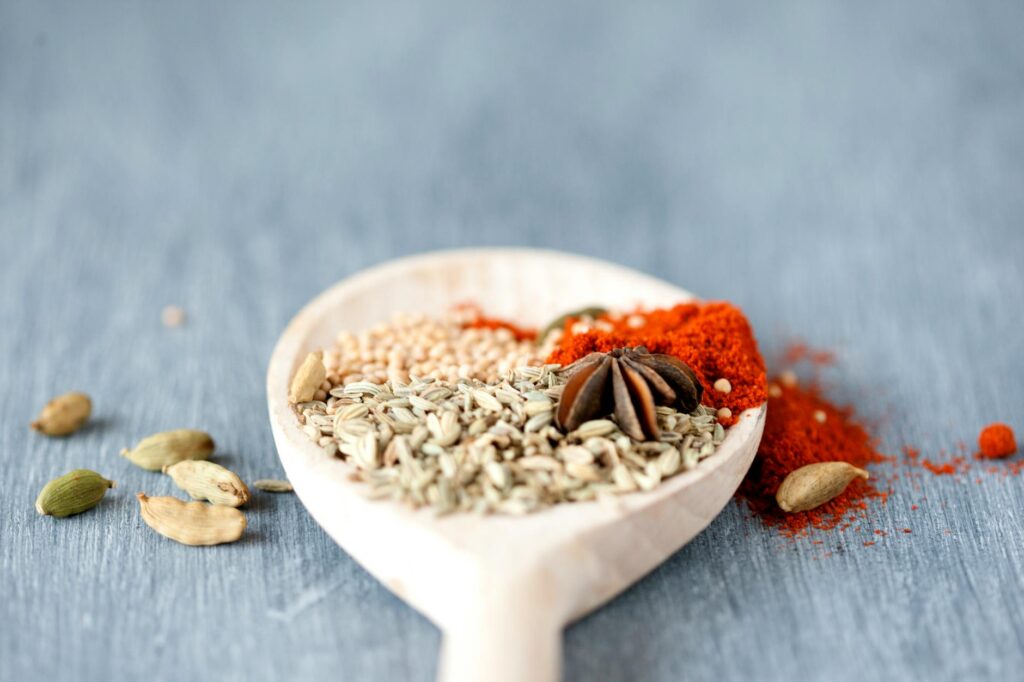
Fennel Seeds FAQs Answered
Introduction
Fennel seeds, with their sweet, anise-like flavor, have been a staple in culinary and medicinal practices for centuries. These tiny seeds are derived from the fennel plant, scientifically known as Foeniculum vulgare, which belongs to the Apiaceae family. This article aims to provide a comprehensive guide to fennel seeds, addressing their history, production, quality, buying considerations, uses, storage, common misconceptions, and frequently asked questions.
What Are Fennel Seeds?
Fennel seeds are the dried seeds of the fennel plant, a flowering herb native to the Mediterranean region. While the plant produces both bulb and leafy parts that are widely used in cooking, it is the seeds that impart a unique flavor profile to various dishes. Their aromatic quality makes them a favorite in spice blends, teas, and as a digestive aid in many cultures.
History and Origins
Fennel has a rich history that dates back to ancient civilizations. The Greeks and Romans valued fennel not just for its culinary uses but also for its role in various rituals and as a symbol of strength and courage. In traditional medicine, fennel was believed to aid digestion and alleviate various ailments. Over the centuries, its cultivation spread across Europe, Asia, and later to the Americas, making it a global ingredient.
Production and Processing
Fennel seeds are harvested from the fennel plant, which can grow up to five feet tall. The seeds are collected when they are brown and dry, typically in late summer. After harvesting, the seeds undergo a drying process to enhance their flavor and preserve their essential oils. They are then cleaned and packaged for distribution. The cultivation of fennel is sensitive to climate, preferring well-drained soil and full sunlight, which contributes to the quality and flavor of the seeds.
Quality and Grading
The quality of fennel seeds can vary significantly based on several factors, including the region of cultivation, harvesting methods, and post-harvest processing. Generally, high-quality fennel seeds are plump, firm, and aromatic. They should exhibit a light brown to greenish-brown color, indicating freshness. Grading systems for fennel seeds often consider criteria such as size, uniformity, and the presence of foreign materials or impurities. Premium-grade fennel seeds are typically used in gourmet cooking and are more desirable in the market.
Buying Considerations
When purchasing fennel seeds, consider the following factors to ensure you select the best quality:
1. Source: Opt for reputable suppliers or brands that specialize in herbs and spices. Organic options may also be available, providing assurance of quality and cultivation practices.
2. Packaging: Look for fennel seeds that are packaged in airtight containers to preserve their freshness. Light and moisture can degrade their flavor and potency over time.
3. Appearance: Choose seeds that are uniformly colored, without any signs of discoloration or mold. Fresh fennel seeds should have a strong, pleasant aroma.
4. Form: Fennel seeds are available whole or ground. Whole seeds retain their flavor longer, while ground seeds provide convenience but may lose potency more quickly.
5. Expiration Date: Always check the expiration date to ensure you’re purchasing fresh seeds.
Uses and Applications
Fennel seeds are versatile and used in various culinary applications:
- Culinary Uses: Fennel seeds are commonly used in spice blends, such as Indian panch phoron and Chinese five-spice. They can enhance the flavor of soups, stews, roasted meats, and vegetables. In baking, they may be incorporated into breads and pastries for a distinctive taste.
- Beverages: They are often brewed in teas or herbal infusions, valued for their aromatic qualities and flavor contributions.
- Digestive Aids: In some cultures, fennel seeds are chewed after meals to aid digestion and freshen breath.
- Pickling: Fennel seeds are sometimes used in pickling spices, contributing to the tangy flavors of pickled vegetables.
Storage and Shelf Life
To maintain the freshness and flavor of fennel seeds, proper storage is crucial. They should be kept in an airtight container in a cool, dark place, away from direct sunlight and moisture. When stored correctly, whole fennel seeds can last for up to two years, while ground seeds have a shorter shelf life of about six months to one year. Regularly check for any signs of spoilage, such as off smells or loss of aroma.
Common Misconceptions
1. Fennel Seeds and Anise Are the Same: While fennel and anise share a similar flavor, they are distinct plants. Fennel seeds come from the Foeniculum vulgare plant, whereas anise seeds come from Pimpinella anisum.
2. Fennel Seeds Are Only for Cooking: Many people are unaware that fennel seeds have been used for centuries in traditional medicine and as a digestive aid.
3. Fennel Seeds Are Spicy: Fennel seeds have a sweet, licorice-like flavor rather than a spicy one. This makes them a unique addition to both savory and sweet dishes.
Frequently Asked Questions
1. Are fennel seeds safe to consume?
Yes, fennel seeds are generally safe for consumption in culinary quantities. They are widely used in cooking and herbal medicine, but individuals with specific allergies or sensitivities should consult a professional before incorporating them into their diet.
2. Can fennel seeds help with digestion?
Fennel seeds have been traditionally used as a digestive aid in various cultures. They are believed to help reduce bloating, gas, and discomfort. However, individual experiences may vary.
3. How can I incorporate fennel seeds into my cooking?
Fennel seeds can be added to spice blends, used to season roasted vegetables, incorporated into breads, or brewed as tea. They can be used whole or ground, depending on the desired flavor intensity.
4. How do I know if my fennel seeds are fresh?
Fresh fennel seeds should have a strong, sweet aroma and a firm texture. If the seeds smell bland or musty, they may be stale and should be discarded.
5. Can I grow fennel seeds at home?
Yes, fennel can be grown in home gardens, provided it receives full sunlight and is planted in well-drained soil. However, growing from seeds requires attention to local climate conditions and plant care.
6. Are there any allergens associated with fennel seeds?
Fennel seeds are generally considered safe but can cause allergic reactions in some individuals, particularly those allergic to other members of the Apiaceae family, such as carrots, celery, or parsley. It’s advisable to proceed with caution if you have a history of allergies.
Conclusion
Fennel seeds are not only a flavorful and aromatic ingredient in the culinary world but also a component steeped in history and tradition. Their versatility allows them to be used across various cuisines and applications, from savory dishes to herbal teas. Understanding their origins, production, quality considerations, and uses can enhance your culinary repertoire and appreciation for this unique ingredient. By addressing common misconceptions and frequently asked questions, we hope to provide clarity and encourage the incorporation of fennel seeds into your cooking and dietary practices.