
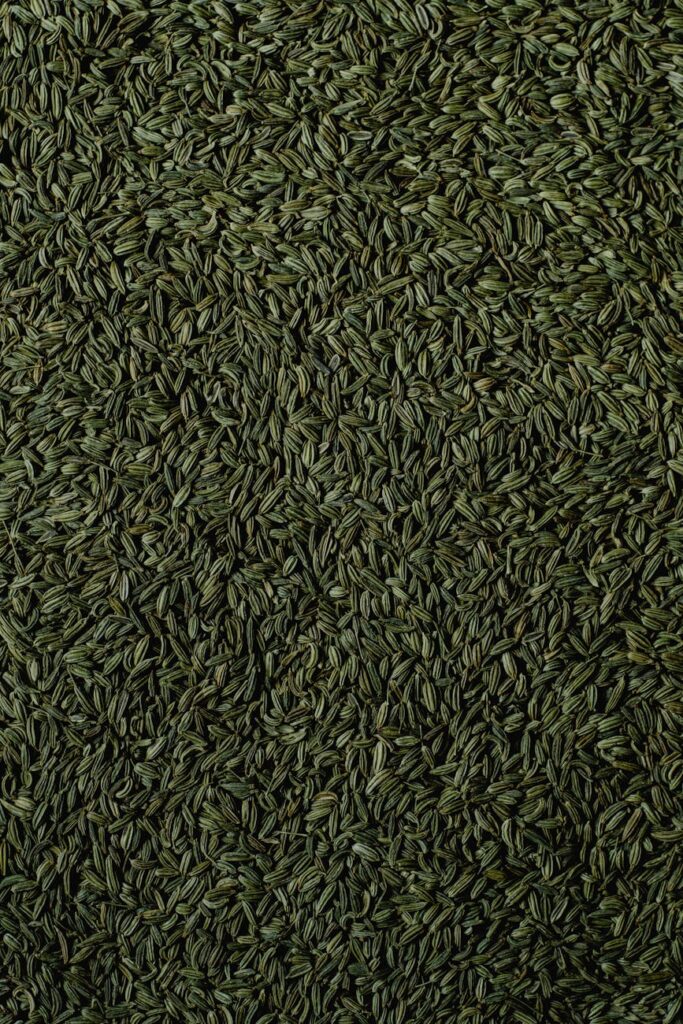
Fennel Seeds Growing Guide Part 7
Introduction
Fennel seeds, derived from the flowering plant Foeniculum vulgare, have long been celebrated for their unique flavor and aromatic qualities. Grown in various regions worldwide, fennel seeds are not only a vital ingredient in culinary traditions but also hold significance in agricultural practices. This guide aims to provide a comprehensive overview of growing fennel seeds, covering essential topics such as history, production, quality, and practical advice for aspiring growers.
What Is Growing?
Growing, in the context of fennel seeds, refers to the cultivation process from seed to harvest. This encompasses everything from preparing the soil and selecting the right variety to managing pests and diseases. Understanding the nuances of growing fennel is crucial for ensuring a high-quality yield. Fennel is a biennial plant, meaning it completes its life cycle over two years, although it is typically grown as an annual for seed production.
History and Origins
Fennel has a rich history that traces back to ancient civilizations. It is believed that fennel originated in the Mediterranean region, where it was utilized not only as a culinary herb but also for its medicinal properties. Records of fennel’s use can be found in ancient texts from the Egyptians, Greeks, and Romans, who valued it for its digestive aid and flavor-enhancing capabilities. By the Middle Ages, fennel spread across Europe and even made its way to Asia and the Americas, becoming a staple in various cuisines and traditional practices.
Production and Processing
Cultivation
Fennel seeds are typically grown in well-draining soil with a pH between 6.0 and 7.0. The seeds can be sown directly into the soil after the last frost, or started indoors in cooler climates. Optimal growth requires full sunlight, as fennel thrives in warm temperatures, ideally between 60°F to 75°F (15°C – 24°C).
Watering and Fertilization
Consistent moisture is essential during the early stages of growth. Once established, fennel is relatively drought-resistant, but regular watering will enhance seed quality. Fertilization should be done sparingly, as excessive nitrogen can lead to lush foliage at the expense of seed production. A balanced fertilizer, applied during the growing season, can help support healthy growth.
Harvesting
Harvesting fennel seeds involves a careful process. The seeds develop in umbels, which are clusters at the top of the plant. When the seeds turn brown and dry, they are ready for harvest. This typically occurs in late summer to early autumn. Cut the seed heads and place them in a paper bag to dry further. Once thoroughly dry, the seeds can be separated from the husks and stored.
Quality and Grading
Quality assessment of fennel seeds involves several factors, including size, color, and aroma. High-quality seeds are typically uniform in size, have a rich brown color, and emit a strong anise-like aroma. Grading often categorizes fennel seeds into different classes based on these criteria, ensuring buyers receive a product that meets their culinary or commercial needs.
Certifications
Organic certification can also influence quality grading. Certified organic fennel seeds are grown without synthetic pesticides or fertilizers, appealing to health-conscious consumers and culinary professionals seeking to use sustainable ingredients.
Buying Considerations
When purchasing fennel seeds, several factors should be taken into account:
- Source: Buy from reputable suppliers who provide information on the origin and growing practices.
- Freshness: Check the packaging date to ensure the seeds are fresh, as older seeds may have diminished flavor and potency.
- Organic vs. Conventional: Decide whether organic seeds are essential for your purposes. Organic seeds may carry a premium price but offer benefits in terms of sustainability.
- Storage Conditions: Examine how the seeds have been stored. Proper storage is vital to maintaining quality.
- Avoid moisture: Keep seeds away from humidity, as moisture can lead to mold or spoilage.
- Use dark containers: Light can degrade essential oils, so opt for dark glass or opaque containers.
- Labeling: Clearly label containers with the purchase date to track freshness.
Uses and Applications
Fennel seeds are versatile and can be utilized in various culinary applications. Commonly found in spice blends, they are used in both sweet and savory dishes. The seeds can enhance the flavor of meats, vegetables, and baked goods. Additionally, fennel seeds are often brewed into teas or used as a digestive aid in various cultures.
Beyond culinary uses, fennel seeds also find applications in cosmetic products and as a natural flavoring agent in beverages. Their aromatic properties make them a popular choice for infusions and essential oils.
Storage and Shelf Life
To maintain the quality of fennel seeds, proper storage is essential. They should be kept in an airtight container in a cool, dark place. When stored correctly, fennel seeds can last for up to three years without significant loss of flavor or potency.
Tips for Prolonged Freshness
Common Misconceptions
Fennel Seeds vs. Fennel Bulbs
One common misconception is conflating fennel seeds with fennel bulbs. While both come from the same plant, they serve different culinary purposes. Fennel bulbs are typically used fresh in salads or cooked dishes, while fennel seeds are dried and used as a spice.
All Fennel Seeds Are the Same
Another misconception is that all fennel seeds are of equal quality. In reality, factors such as growing conditions, harvesting methods, and processing techniques can significantly impact flavor and aroma.
Fennel Is Only for Specific Cuisines
Some may believe that fennel seeds are limited to Mediterranean or Indian cuisines. However, their unique flavor profile allows them to be incorporated into a wide range of culinary traditions.
##