
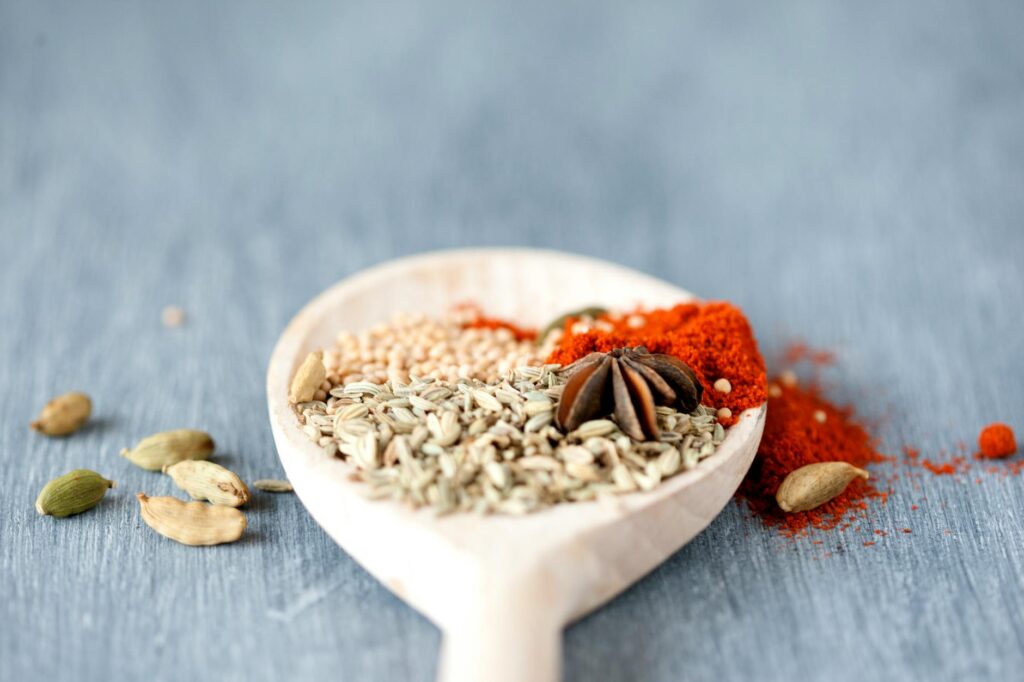
Fennel Seeds in Traditional Cuisine
Introduction
Fennel seeds, the dried seeds of the Fennel plant (Foeniculum vulgare), are a staple ingredient in various culinary traditions around the world. Known for their sweet, anise-like flavor, these seeds have been celebrated for their aromatic properties and versatile uses in cooking, baking, and even in beverages. This article delves into the multifaceted role of fennel seeds in traditional cuisines, exploring their history, production, quality assessment, and common applications.
What Is Uses?
In the context of culinary ingredients, “uses” refers to the various applications and methods by which an ingredient is utilized in cooking and food preparation. Fennel seeds, due to their unique flavor profile and aromatic qualities, find diverse applications across different culinary traditions. These include seasoning, flavoring, and even as a digestive aid in culinary practices.
History and Origins
Fennel has a storied history that can be traced back to ancient civilizations. The plant is believed to have originated in the Mediterranean region, where it was used not only as a culinary ingredient but also for its medicinal properties. Ancient Egyptians valued fennel seeds for their health benefits and as a food preservative, while Greeks and Romans incorporated them into their diets, often using them as a seasoning for meat dishes.
In medieval Europe, fennel seeds were regarded as a symbol of strength and longevity. They were often included in wedding ceremonies to promote fidelity and were used in various folk remedies. As trade routes expanded, fennel seeds made their way into Asian cuisines, notably in India and China, where they were embraced for their flavor and digestive properties.
Production and Processing
Fennel seeds are harvested from the mature flowering heads of the fennel plant, which typically grows to a height of about three to four feet. The seeds are collected once they have turned brown and dried on the plant. The harvesting process involves cutting the flowering heads and allowing them to dry further before separating the seeds.
Once harvested, the seeds undergo processing that may include cleaning, sorting, and sometimes roasting to enhance their flavor. The roasting process is particularly common in Indian cuisine, where it intensifies the seeds’ aromatic qualities. The final product is then packaged for distribution, ready to be used in various culinary applications.
Quality and Grading
The quality of fennel seeds can vary significantly based on factors such as the region of cultivation, harvesting methods, and processing techniques. When assessing fennel seeds, consumers should consider several grading criteria:
1. Color: High-quality fennel seeds are typically a pale green to brown hue. Seeds that are too dark may indicate over-maturity or poor processing.
2. Aroma: Fresh fennel seeds should have a strong, sweet, and slightly pungent aroma. A lack of fragrance may suggest aging or improper storage.
3. Size and Shape: Uniformity in size and shape is often a hallmark of quality. Larger seeds are generally preferred for their flavor potency.
4. Purity: Quality fennel seeds should be free from impurities, including dust, debris, or other seeds.
5. Moisture Content: Properly dried seeds will have a low moisture content, reducing the risk of mold and spoilage.
Buying Considerations
When purchasing fennel seeds, whether in bulk or pre-packaged, several considerations can enhance the selection process:
1. Source: Opt for reputable suppliers or brands known for quality spices. Organic options may offer additional assurances regarding cultivation practices.
2. Form: Fennel seeds are available whole or ground. Whole seeds retain their flavor longer, while ground fennel may be more convenient for immediate use.
3. Packaging: Look for airtight packaging that protects seeds from light and moisture. Glass jars or foil pouches are often preferred.
4. Expiration Date: Always check for a ‘best by’ date to ensure freshness. Fennel seeds can lose their potency over time, so purchasing recent stock is advisable.
Uses and Applications
Fennel seeds have a wide range of applications in traditional cuisine, spanning various cultures. Below are some notable uses:
Culinary Uses
1. Seasoning: Fennel seeds are commonly used as a seasoning in dishes such as sausages, stews, and marinades. Their sweet flavor complements meats and vegetables alike.
2. Spice Blends: In Indian cuisine, fennel seeds are a key ingredient in spice blends, including panch phoran and garam masala. They are often combined with other spices to create complex flavor profiles.
3. Baking: Fennel seeds find their way into baked goods, particularly in Mediterranean and Middle Eastern cuisines. They are often included in bread, pastries, and cookies to impart a unique aroma and taste.
4. Beverages: Fennel seeds are used in the preparation of herbal teas and infusions. They are also a common ingredient in certain types of alcoholic beverages, such as aquavit and various liqueurs.
5. Pickling: The seeds are frequently used in pickling recipes, where they contribute flavor and aroma to the preserved vegetables.
Digestive Aid
In many cultures, fennel seeds are believed to aid digestion. After meals, they are often chewed on to freshen breath and alleviate digestive discomfort—a practice rooted in tradition and culinary custom.
Aromatic Uses
Fennel seeds are sometimes employed in aromatherapy due to their sweet scent. Their essential oils can be extracted for use in perfumes and home fragrances, adding to their versatility beyond the kitchen.
Storage and Shelf Life
To maintain the freshness and potency of fennel seeds, proper storage is essential:
1. Container: Store fennel seeds in an airtight container to prevent exposure to moisture and air. Glass jars or sealed bags work well.