
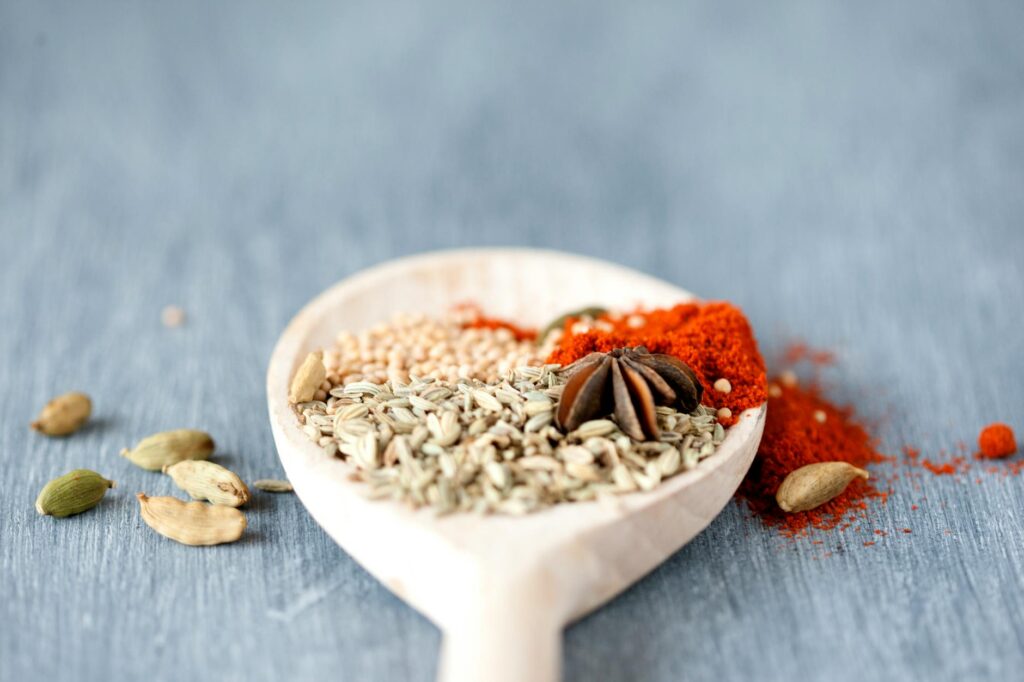
Fennel Seeds Myths and Misconceptions
Introduction
Fennel seeds, derived from the flowering plant Foeniculum vulgare, have been cherished for centuries for their distinctive flavor and myriad applications in culinary and medicinal practices. However, with their rising popularity, a plethora of myths and misconceptions surrounding these seeds has emerged. This article aims to clarify these misunderstandings, providing an authoritative guide to fennel seeds, including their history, production, quality considerations, uses, and the most common myths associated with them.
What Is Guides?
In the context of food ingredients, “Guides” refer to comprehensive resources that encapsulate essential information about a specific ingredient. This includes its origins, production methods, quality standards, and practical applications. For fennel seeds, guides serve to educate consumers and culinary professionals alike about their unique characteristics, benefits, and best practices. By dispelling myths and providing factual information, guides enhance appreciation and effective use of fennel seeds.
History and Origins
Fennel seeds boast a rich history that spans thousands of years. Native to the Mediterranean region, fennel has been used since ancient times, both as a culinary spice and as a medicinal herb. Historical texts reveal that the Ancient Egyptians utilized fennel for its purported health benefits, while the Greeks and Romans lauded its flavor and aroma.
The seeds were also known to have symbolic meanings, often associated with strength and longevity. In medieval Europe, fennel seeds were used as a protective charm against evil spirits and were commonly consumed during feasts to aid digestion. As trade routes expanded, fennel seeds made their way to Asia, where they became integral to various culinary traditions, notably in Indian and Middle Eastern cuisines. Today, fennel seeds are cultivated in many parts of the world, including India, China, and the Mediterranean, each region contributing its unique flavor profile to the culinary landscape.
Production and Processing
Fennel seeds are harvested from the flowering heads of the fennel plant, which can grow up to 2 meters tall. The seeds are typically collected once they turn brown and are fully matured. The harvesting process involves cutting the flower heads and allowing them to dry in the sun, after which the seeds are threshed and cleaned for packaging.
The production of fennel seeds involves several key steps:
1. Cultivation: Fennel thrives in well-drained soil and requires full sunlight. It is often grown in temperate climates with moderate rainfall.
2. Harvesting: When the seeds are ripe, they are harvested carefully to avoid damage.
3. Drying: The seeds must be dried thoroughly to prevent mold and preserve their flavor.
4. Processing: After drying, the seeds are cleaned, sorted, and packaged for distribution.
These steps are vital to ensure that the seeds maintain their quality and flavor, which can be influenced by factors such as soil conditions, climate, and post-harvest handling.
Quality and Grading
Quality and grading of fennel seeds depend on several factors, including size, color, aroma, and flavor. High-quality fennel seeds are typically plump, uniform in size, and exhibit a strong, sweet aroma. When purchasing fennel seeds, it is essential to consider the following grading criteria:
- Size: Larger seeds are often perceived as higher quality due to their concentrated flavor.
- Color: Fresh fennel seeds should have a light brown or greenish hue; seeds that are too dark may indicate aging or poor quality.
- Aroma: Fresh fennel seeds emit a strong, sweet, and slightly anise-like fragrance, which diminishes over time.
- Taste: A taste test can be beneficial; high-quality fennel seeds should have a sweet, licorice-like flavor.
- Source: Opt for seeds from established brands or specialty stores known for their quality ingredients. Organic options may offer additional reassurance regarding farming practices.
- Form: Fennel seeds are available whole or ground. Whole seeds tend to retain their flavor longer, while ground seeds may offer convenience but can lose potency more quickly.
- Packaging: Look for vacuum-sealed packaging or opaque containers that protect the seeds from light and moisture. This helps to preserve their freshness.
- Expiration Date: Always check the expiration date to ensure you are purchasing a product that has not been sitting on the shelf for an extended period.
- Culinary: Fennel seeds are often used in spice blends, such as garam masala and five-spice powder. They can be toasted to intensify their flavor and added to curries, stews, and marinades.
- Baking: In some cultures, fennel seeds are incorporated into baked goods, providing a subtle sweetness and aroma to breads and pastries.
- Beverages: Fennel seeds can be brewed into herbal teas or infused into alcoholic beverages for added complexity.
- Digestive Aids: These seeds are commonly consumed after meals in many cultures to aid digestion and freshen breath.
It is advisable to source fennel seeds from reputable suppliers who adhere to quality standards, ensuring freshness and flavor integrity.
Buying Considerations
When purchasing fennel seeds, there are several key considerations to keep in mind to ensure the best quality:
By paying attention to these factors, consumers can select fennel seeds that will enhance their culinary creations effectively.
Uses and Applications
Fennel seeds are versatile ingredients that find applications in various culinary traditions. They can be used in both sweet and savory dishes, lending a unique flavor profile that enhances numerous recipes. Common uses include:
The diversity in their applications underscores fennel seeds’ importance in global cuisines, making them a staple ingredient in many households.
Storage and Shelf Life
To maintain the quality of fennel seeds, proper storage is essential. Here are some guidelines to ensure longevity:
–