
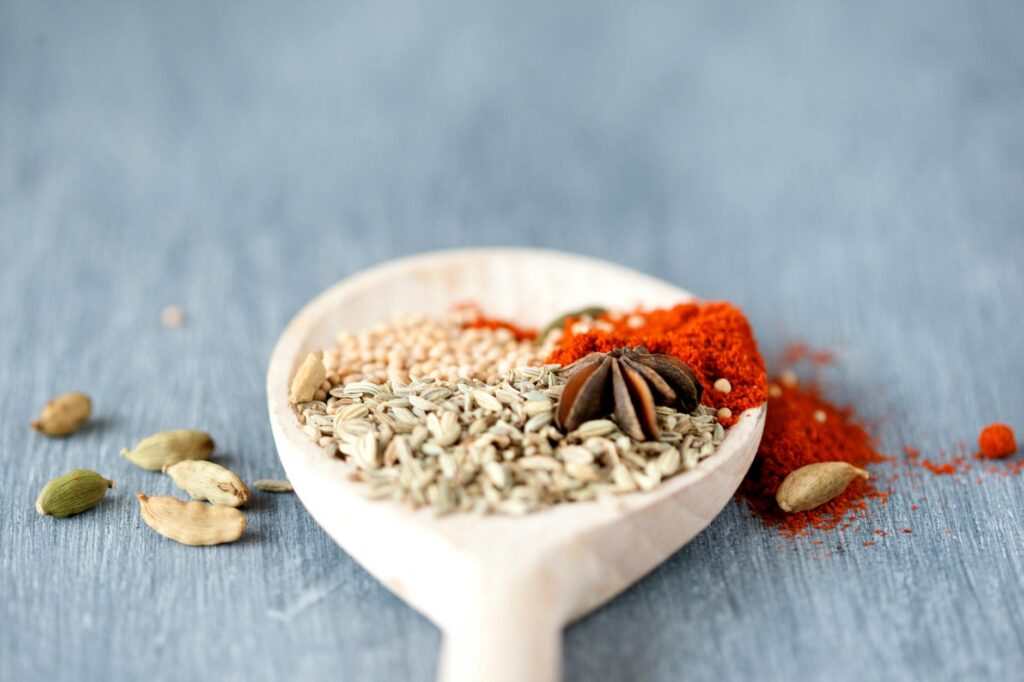
Fennel Seeds Production by Country
Introduction
Fennel seeds, derived from the flowering plant Foeniculum vulgare, are renowned for their distinctive flavor and aromatic properties. They hold a significant place in culinary traditions across the globe, often used as a spice, flavoring agent, or digestive aid. This article delves into the regions that cultivate fennel seeds, exploring the nuances of production by country, the historical context, processing methods, quality control, and their multifaceted applications.
What Is Regions?
In the context of food ingredients, “regions” refers to geographical areas where specific agricultural practices, climates, and cultural influences converge to shape the production of certain crops. Each region offers unique characteristics that affect the cultivation, flavor profile, and quality of fennel seeds. Understanding these regions not only enhances our appreciation of the ingredient but also informs purchasing decisions for culinary professionals and home cooks alike.
History and Origins
Fennel is believed to have originated in the Mediterranean basin, with historical evidence of its cultivation dating back to ancient civilizations. The Romans utilized fennel not only for culinary purposes but also for its purported medicinal properties. Over centuries, fennel spread across Europe, Asia, and beyond, adapting to diverse climates and becoming an integral part of various cuisines.
The cultivation of fennel seeds has evolved, with several countries emerging as key producers. India, Iran, and China are among the top producers, each contributing to the global market with unique varieties and cultivation techniques. This rich history underscores the global fascination with fennel and its seeds, which have transitioned from ancient herbal remedies to modern-day culinary staples.
Production and Processing
Major Producing Countries
1. India: India stands as the largest producer of fennel seeds, accounting for approximately 70% of global production. The states of Rajasthan, Gujarat, and Uttar Pradesh are particularly known for their extensive fennel cultivation. The favorable climate conditions, characterized by arid to semi-arid regions, contribute to the robust growth of fennel plants.
2. Iran: Iran is another prominent producer, known for its high-quality fennel seeds. The climate in Iran, particularly in the provinces of Khorasan and Yazd, is conducive to the cultivation of fennel, which thrives in well-drained soils and moderate temperatures.
3. China: China has emerged as a significant player in the fennel seeds market, with production concentrated in the Xinjiang region. The country’s vast agricultural sector and diverse climatic conditions facilitate the cultivation of various strains of fennel.
4. Turkey: Turkey is also known for its fennel seed production, especially in the Mediterranean region. The seeds are often harvested by hand and are valued for their strong flavor profile.
5. Egypt: Fennel cultivation in Egypt is primarily concentrated in the Nile Delta region, where the fertile soil and favorable climate allow for high-quality production.
Cultivation Practices
Fennel seeds are typically cultivated in well-drained soils with plenty of sunlight. The planting process usually begins in spring, with seeds sown directly into the soil. After germination, fennel plants require careful irrigation and weed control. Harvesting occurs when the seed heads turn brown, with farmers relying on both manual and mechanical methods to gather the seeds.
Processing
Once harvested, fennel seeds undergo a meticulous processing phase. This includes:
- Cleaning: Removal of impurities such as dirt and debris.
- Drying: Essential for preserving the flavor and extending shelf life, seeds are dried to reduce moisture content.
- Sorting and Grading: Seeds are sorted based on size, color, and quality, often resulting in different grades that cater to various markets.
- Premium Quality: Larger seeds with a vibrant color and strong aroma.
- Standard Quality: Moderate-sized seeds with acceptable flavor and aroma.
- Substandard Quality: Smaller seeds or those with diminished flavor, often used for industrial purposes or lower-end products.
- Culinary Uses: Fennel seeds are commonly used in spice blends, marinades, and pickling. They can be found in Indian curries, Mediterranean dishes, and even in some baked goods. Their sweet, anise-like flavor complements both savory and sweet dishes.
- Beverages: Fennel seeds are often infused in teas and herbal drinks, providing a refreshing flavor and aroma.
- Digestive Aids: In many cultures, fennel seeds are consumed after meals to aid digestion and freshen breath.
- Cosmetic and Aromatherapy: The essential oils extracted from fennel seeds are used in perfumes and aromatherapy products, celebrated for their soothing properties.
Quality and Grading
The quality of fennel seeds is determined by factors such as size, color, aroma, and flavor. Grading standards may vary by country, but generally, the following categories are recognized:
Understanding these quality grades is crucial for buyers, as they directly influence pricing and application in culinary contexts.
Buying Considerations
When purchasing fennel seeds, several factors should be taken into account:
1. Origin: Different regions produce seeds with varying flavor profiles. For instance, Indian fennel seeds are often sweeter and more aromatic than their Iranian counterparts.
2. Quality: Look for well-graded seeds that meet specific culinary or production needs. Purchasing from reputable suppliers ensures higher quality and better flavor.
3. Packaging: Fennel seeds should be stored in airtight containers to maintain freshness. Consider packaging that protects against light and moisture.
4. Organic vs. Conventional: Organic fennel seeds, cultivated without synthetic pesticides or fertilizers, are increasingly sought after for their perceived health benefits and environmental sustainability.
5. Freshness: Always check the packaging date. Fennel seeds can lose their potency over time, so fresher products are generally preferred.
Uses and Applications
Fennel seeds are incredibly versatile and find applications across a variety of culinary and non-culinary domains:
Storage and Shelf Life
Fennel seeds should be stored in a cool, dark place, preferably in an airtight container to prevent moisture absorption and flavor degradation. When stored properly, whole fennel seeds can last for up to two years, while ground fennel seeds have a shorter shelf life, typically around six months. Regularly checking for signs of spoilage, such as off odors or discoloration, can help maintain quality.
Common Misconceptions
1. Fennel Seeds vs. Anise Seeds: Many people confuse fennel seeds with anise seeds due to their similar flavor profiles. While both have a sweet, licorice-like taste, they come from different plants and possess distinct characteristics.
2. Use in Cooking: Some believe that fennel seeds are only suitable for specific cuisines. In reality, their versatility allows them to enhance a wide range of dishes across various culinary traditions.
3. Health Benefits: While fennel seeds are often touted for their digestive properties, it’s important to note that individual experiences may vary, and they should not be viewed as a cure-all.
Frequently Asked Questions
1. How do I choose the best fennel seeds?
Look for seeds that are plump, aromatic, and free from impurities. Consider purchasing from reputable suppliers and check for freshness.
2. Can fennel seeds be used in baking?
Yes, fennel seeds can add a unique flavor to baked goods, particularly in bread and pastries, enhancing both sweet and savory items.
3. Are fennel seeds safe for everyone to consume?
Fennel seeds are generally safe for most people, but those with allergies to plants in the carrot family should exercise caution.
4. How can I tell if fennel seeds have gone bad?
Spoiled fennel seeds may have a rancid smell or loss of aroma. They might also appear discolored or shriveled.
5. What is the best way to store fennel seeds?
Store fennel seeds in an airtight container in a cool, dark place. For long-term storage, refrigeration can help preserve their freshness.
6. Can I substitute fennel seeds with something else in recipes?
While no direct substitute replicates fennel’s flavor, caraway seeds or anise seeds may work in certain recipes, though the taste will differ.
In conclusion, fennel seeds are a remarkable ingredient with rich historical roots and diverse applications. By understanding the production landscape across countries, buyers can make informed choices that enhance their culinary endeavors. Whether used in traditional recipes or contemporary dishes, fennel seeds continue to hold a cherished place in kitchens worldwide.