
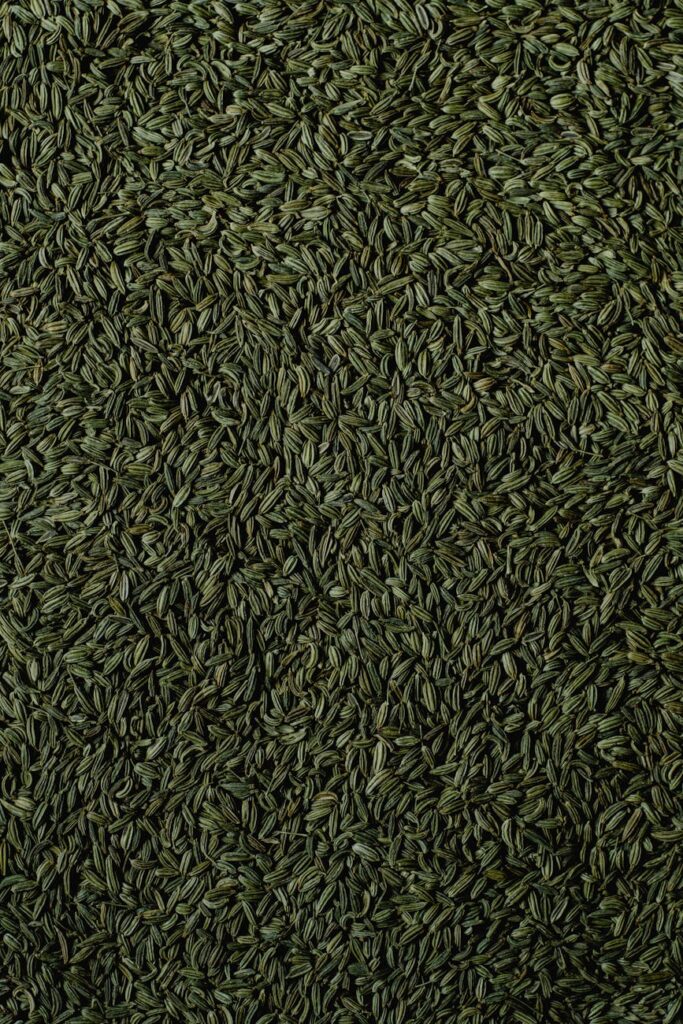
Fennel Seeds Regions Guide Part 7
Introduction
Fennel seeds, known for their sweet, anise-like flavor, are a staple ingredient in various culinary traditions around the world. Originating from the Mediterranean region, these aromatic seeds are used in a multitude of dishes, ranging from savory to sweet. However, their unique flavors and qualities can vary significantly depending on the region where they are cultivated. This article delves into the different regions producing fennel seeds, exploring their history, production, quality, and applications, while dispelling common misconceptions.
What Is Regions?
In the context of food ingredients, “regions” refers to the geographical areas where specific crops are cultivated. Each region contributes distinct characteristics to its produce due to variations in climate, soil composition, cultivation methods, and local traditions. Understanding these regional distinctions can help consumers appreciate the unique attributes of fennel seeds from different parts of the world.
History and Origins
Fennel (Foeniculum vulgare) is a flowering plant in the carrot family, native to the Mediterranean region. Historical records suggest that fennel seeds have been used since antiquity, with references found in ancient Egyptian, Greek, and Roman texts. The seeds were not only valued for their culinary applications but also for their medicinal properties, believed to aid digestion and enhance overall health.
As trade routes expanded, fennel seeds spread to various parts of Europe, Asia, and eventually the Americas. Today, fennel seeds are cultivated in diverse regions, each contributing to the global flavor profile of this ingredient.
Production and Processing
The primary producers of fennel seeds today include India, China, Egypt, and Turkey, with India being the largest exporter. Each country employs different agricultural practices, influenced by local climate and soil conditions.
India
In India, fennel is predominantly grown in states like Rajasthan, Gujarat, and Uttar Pradesh. The seeds are usually harvested in the winter months, when the plants have matured. Farmers often use traditional methods, allowing for organic growth without excessive use of pesticides. After harvesting, the seeds undergo a drying process to enhance their flavor and shelf life.
China
China also plays a significant role in fennel seed production, particularly in the provinces of Xinjiang and Gansu. The Chinese approach often combines modern agricultural techniques with traditional practices, resulting in high yields and quality. The seeds are typically processed through mechanical means to ensure uniformity in size and flavor.
Egypt and Turkey
Egypt and Turkey are renowned for their high-quality fennel seeds, often characterized by a more intense flavor profile. The cultivation in these regions often leverages the favorable climatic conditions and fertile soil, which contribute to the seeds’ aromatic properties. The seeds are generally harvested by hand, a practice that preserves their integrity and quality.
Quality and Grading
The quality of fennel seeds can vary significantly based on their region of origin. Factors influencing quality include seed size, color, aroma, and oil content.
Grading Standards
Fennel seeds are typically graded based on the following criteria:
- Size: Larger seeds are often considered superior, as they generally possess a more robust flavor.
- Color: High-quality seeds exhibit a deep green or brown color, indicating optimal ripeness.
- Aroma: Fresh fennel seeds should have a strong, sweet aroma, a sign of high oil content.
- Purity: The seeds should be free from foreign materials, such as stems or other seeds.
- Spices and Seasonings: Fennel seeds are often ground into powders or used whole in spice blends, enhancing dishes like curries, stews, and marinades.
- Baking: The seeds can be incorporated into bread and pastries, adding a unique flavor profile.
- Beverages: Fennel seeds are commonly used in herbal teas and as a flavoring in liquors, such as aquavit.
- Storage Conditions: Store fennel seeds in a cool, dark place, preferably in an airtight container. Exposure to light and moisture can lead to a loss of flavor and quality.
- Shelf Life: When stored correctly, whole fennel seeds can last for up to three years, while ground fennel seeds should ideally be used within six months for optimal flavor.
Regions with established grading standards, like India and Turkey, often have specific classifications that help consumers choose high-quality fennel seeds.
Buying Considerations
When purchasing fennel seeds, several factors should be taken into account to ensure quality and flavor:
1. Source: Consider the region of origin, as different areas produce seeds with distinct flavor profiles.
2. Packaging: Look for seeds packaged in airtight containers to maintain freshness. Avoid bulk bins unless you can verify the turnover rate.
3. Organic Certification: If preferred, choose organically grown fennel seeds to avoid pesticide residues.
4. Freshness: Check the packaging date; fresher seeds yield better flavor and aroma.
Uses and Applications
Fennel seeds boast a versatile range of applications in culinary practices:
Culinary Uses
Non-Culinary Uses
Beyond the kitchen, fennel seeds are utilized in the production of essential oils, perfumes, and natural remedies. Their aromatic properties make them a popular ingredient in aromatherapy and natural cleaning products.
Storage and Shelf Life
To preserve the freshness and flavor of fennel seeds, proper storage is essential:
Common Misconceptions
Several misconceptions surround fennel seeds that can lead to confusion among consumers:
1. Fennel Seeds vs. Anise Seeds: While both have a similar flavor profile, fennel seeds come from the fennel plant, whereas anise seeds are from a different plant. They are not interchangeable in recipes without affecting the overall taste.
2. Only for Indian Cuisine: Though fennel seeds are integral to Indian cooking, they are widely used in Mediterranean and Middle Eastern cuisines as well.
3. Health Claims