
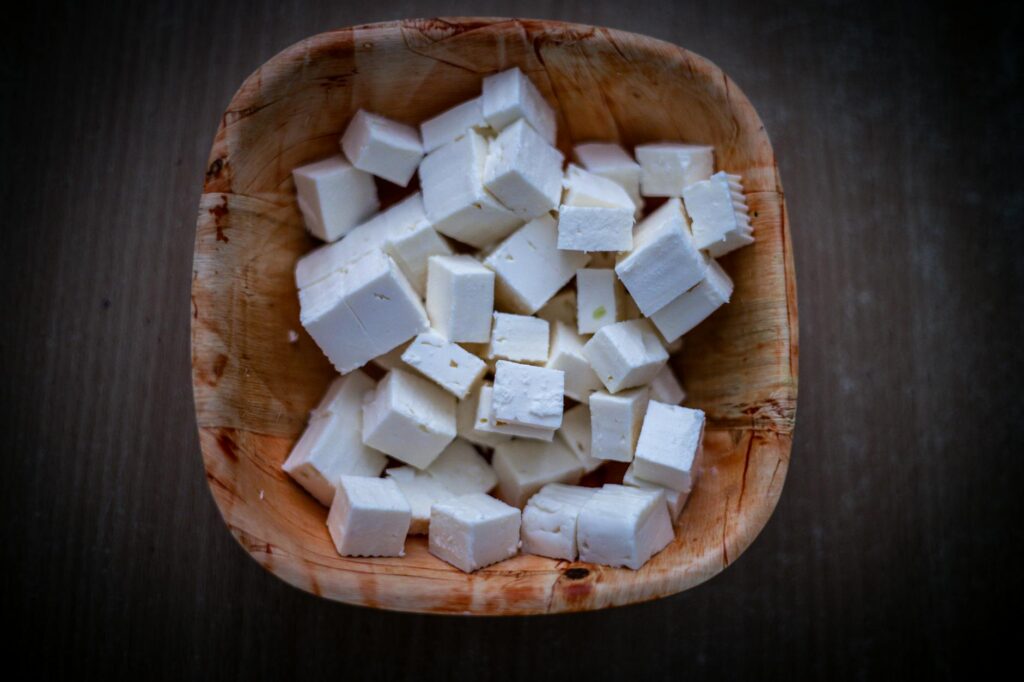
Feta Cheese About Guide Part 6
Introduction
Feta cheese, a staple of Mediterranean cuisine, has gained global recognition for its distinctive tangy flavor and crumbly texture. Known for its versatility, it can be enjoyed in salads, pastries, and numerous savory dishes. This guide delves into the intricacies of feta cheese, exploring its history, production methods, quality indicators, and culinary applications, while also addressing common misconceptions surrounding this beloved ingredient.
What Is Feta Cheese?
Feta cheese is a brined curd cheese traditionally made from sheep’s milk, although it can also contain goat’s milk or, in some cases, cow’s milk. Its origins trace back to ancient Greece, where it was first documented in Homer’s “Odyssey.” The cheese is characterized by its crumbly texture, white color, and slightly tangy flavor, often enhanced by the brine in which it is stored. Feta is a protected designation of origin (PDO) product in the European Union, meaning that only cheese produced in specific regions of Greece and according to traditional methods can be labeled as “feta.”
History and Origins
The history of feta cheese is rich and intertwined with the agricultural practices of the Mediterranean region. Its origins can be traced back thousands of years to ancient Greece, where it was a staple in the diets of the local populace. The term “feta” is believed to derive from the Italian word “fetta,” meaning “slice,” referring to the cheese being cut into slices for serving.
The production of feta has evolved over the centuries. During the Byzantine era, feta was further refined, and its production techniques were standardized. The cheese became an integral part of Greek cuisine and culture, symbolizing the agricultural heritage of the region. In 2002, the European Union granted feta PDO status, reinforcing its connection to Greece and safeguarding its traditional production methods.
Production and Processing
Feta cheese undergoes a meticulous production process that begins with the sourcing of high-quality milk, predominantly from sheep and/or goats. The milk is typically pasteurized to eliminate harmful bacteria, although traditional methods may use raw milk.
Steps in Production:
1. Curdling: Rennet is added to the milk to facilitate curdling. This process transforms the liquid milk into curds and whey.
2. Cutting and Cooking: The curds are cut into small pieces and gently heated to encourage whey expulsion. This step is crucial for achieving the desired texture.
3. Draining: The curds are drained of whey and then placed in molds. They may be pressed lightly to remove excess moisture.
4. Salting: Once formed, the cheese is salted, which not only enhances flavor but also acts as a preservative.
5. Brining: The cheese is submerged in a brine solution, typically composed of water and salt. This step is key for developing feta’s characteristic tanginess and preserving its freshness.
6. Aging: Feta is aged for a minimum of two months, although some varieties may age longer. The aging process allows the flavors to mature and intensify.
Types of Feta
While traditional feta is made from sheep’s milk, variations exist, including:
- Cow’s Milk Feta: Creamier and milder in flavor.
- Goat’s Milk Feta: Offers a stronger taste and a more pronounced tang.
- Mixed Milk Feta: A combination of sheep, goat, and sometimes cow’s milk, resulting in a unique flavor profile.
- Salads: Feta is commonly used in Greek salads, where its tanginess balances the freshness of vegetables.
- Pastries: It is a key ingredient in spanakopita (spinach pie) and other savory pastries.
- Dips and Spreads: Feta can be blended with herbs and olive oil to create
Quality and Grading
The quality of feta cheese is determined by several factors, including the milk source, production methods, and aging process. Authentic feta should have a firm yet crumbly texture, a clean, white color, and a slightly tangy flavor profile.
Grading Factors:
1. Milk Quality: The freshness and quality of the milk used play a significant role in the final product.
2. Brine Composition: The salt concentration in the brine can affect flavor and preservation.
3. Aging Time: Longer aging can enhance flavor complexity, but it may also alter texture.
4. Appearance: High-quality feta should be free from cracks or excessive moisture.
Certification
To ensure authenticity, buyers should look for PDO labels on feta cheese, which guarantees that the cheese was produced in Greece following traditional methods.
Buying Considerations
When purchasing feta cheese, consumers should consider several factors to ensure they are selecting a high-quality product:
1. Source: Opt for PDO feta from Greece to guarantee authenticity.
2. Milk Type: Decide on the type of milk based on personal preference—sheep’s milk for traditional flavor, goat’s milk for a tangier option, or mixed for a balanced taste.
3. Packaging: Feta is often sold in brine; ensure the packaging is intact and the cheese is submerged to maintain freshness.
4. Expiration Date: Check the expiry date to ensure freshness.
5. Texture and Consistency: Look for cheese that is firm yet crumbly, without excessive moisture.
6. Flavor: If possible, taste before buying; authentic feta should have a rich, tangy flavor.
Uses and Applications
Feta cheese is highly versatile and can be utilized in various culinary applications, both traditional and modern. Its flavor complements a wide range of ingredients, making it a popular choice in salads, appetizers, and main courses.