
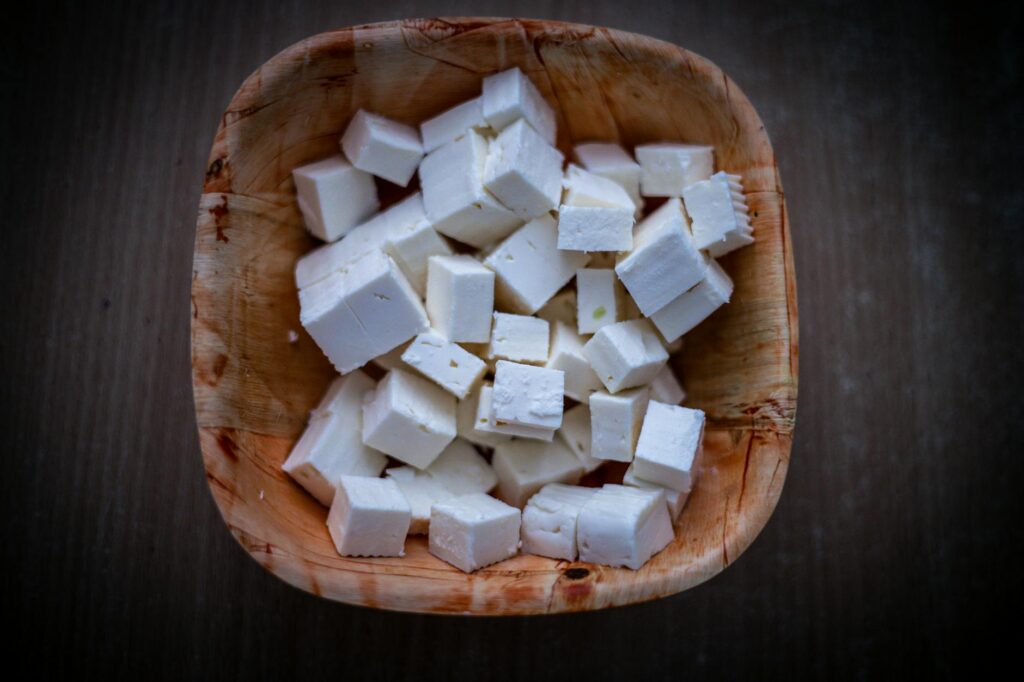
Feta Cheese Buying Guide Part 6
Introduction
Feta cheese is one of the most beloved and versatile cheeses in the culinary world, renowned for its crumbly texture and tangy flavor. Originating from the Mediterranean region, particularly Greece, feta has gained worldwide acclaim, appearing in salads, pastries, and various dishes across numerous cuisines. However, purchasing feta cheese can be more complex than one might assume. This comprehensive buying guide aims to equip you with the knowledge necessary to make informed choices when selecting this delectable cheese.
What Is Buying?
In the context of food ingredients, “buying” refers to the process of selecting and procuring food items, taking into account various factors such as quality, price, source, and intended use. When it comes to feta cheese, effective buying involves understanding the different types available, their origins, and how to assess quality. This knowledge not only enhances your culinary experience but also ensures that you are making sustainable and informed choices.
History and Origins
The history of feta cheese dates back over 6,000 years, with archaeological evidence suggesting that cheese-making began in the region that is now known as Greece. The name “feta” is derived from the Italian word “fetta,” meaning slice, which refers to the cheese’s traditional method of slicing into blocks for serving. Feta cheese has been a staple in Greek cuisine for centuries and is often made from sheep’s milk or a mixture of sheep and goat’s milk.
In 2002, feta cheese received Protected Designation of Origin (PDO) status from the European Union, meaning that only cheese produced in specific regions of Greece and made according to traditional methods can be labeled as feta. This designation not only preserves the authentic qualities of the cheese but also supports local economies and sustainable farming practices.
Production and Processing
Feta cheese is primarily produced through a process of curdling milk, typically sheep’s milk or a blend of sheep and goat’s milk. The production process generally includes the following steps:
1. Milk Collection: Fresh milk is collected from local farms, ensuring high quality and freshness.
2. Pasteurization: The milk is pasteurized to eliminate harmful bacteria, although some traditional methods may use raw milk.
3. Adding Rennet and Cultures: Rennet and specific bacterial cultures are added to the milk to facilitate curd formation.
4. Curd Formation: After coagulation, the curds are cut and gently stirred to release whey.
5. Salting: The curds are then salted, either directly or through brining, which is essential for flavor and preservation.
6. Aging: Feta is typically aged for a minimum of two months, during which it develops its characteristic flavor and texture.
The quality of feta cheese can vary significantly based on the type of milk used, the production methods, and the aging process.
Quality and Grading
When buying feta cheese, understanding the grading and quality indicators is crucial. Here are some key aspects to consider:
- Milk Source: Authentic feta is made from sheep’s milk or a blend of sheep and goat’s milk. Cheese made from cow’s milk may lack the depth of flavor associated with traditional feta.
- Texture: Good quality feta should have a crumbly yet creamy texture. It should not be overly dry or too soft.
- Flavor Profile: The flavor should be tangy and slightly salty, with a rich, creamy undertone. Avoid feta that has a strong, unpleasant odor, as this may indicate spoilage.
- Brine Presence: Feta is often stored in brine, which helps maintain its integrity and flavor. If purchasing feta in a vacuum-sealed package, check for any signs of excess moisture or separation.
- Salads: Crumbled feta adds a tangy flavor to salads, such as Greek salad or mixed greens.
- Pastries: Feta is often used in savory pastries like spanakopita, where it complements spinach and herbs.
- Dips and Spreads: Blending feta with yogurt or cream cheese creates a delicious spread for crackers or bread.
- Toppings: Feta can be sprinkled over roasted vegetables, pizzas, or pasta dishes for added flavor.
- Refrigeration: Feta cheese should always be stored in the refrigerator. If it
Feta cheese is typically sold in various forms, including blocks, crumbles, and slices. When possible, opt for feta sold in brine for optimal freshness.
Buying Considerations
When purchasing feta cheese, consider the following factors:
1. Origin: Look for feta labeled as PDO, which guarantees authenticity. Genuine Greek feta is produced in specific regions, such as Thessaloniki, Epirus, and the Peloponnese.
2. Freshness: Always check the expiration date and, if possible, purchase from a reputable cheese shop or specialty store where turnover is high.
3. Packaging: Opt for feta packed in brine, as this helps maintain moisture and flavor. If buying pre-crumbled feta, ensure it is fresh and has not been sitting on the shelf for an extended period.
4. Taste Testing: If available, sample different varieties to identify your preferred flavor and texture profile.
5. Price: Quality feta may come at a higher price point, reflecting the labor-intensive production methods and authentic ingredients. While it can be tempting to choose cheaper options, they may lack the complexity and flavor of higher-quality choices.
Uses and Applications
Feta cheese is incredibly versatile and can be used in a variety of dishes, including:
Its unique taste profile makes feta an excellent pairing with both bold and subtle ingredients, enhancing the overall dining experience.
Storage and Shelf Life
Proper storage is essential to maintain the quality and flavor of feta cheese. Here are some guidelines: