
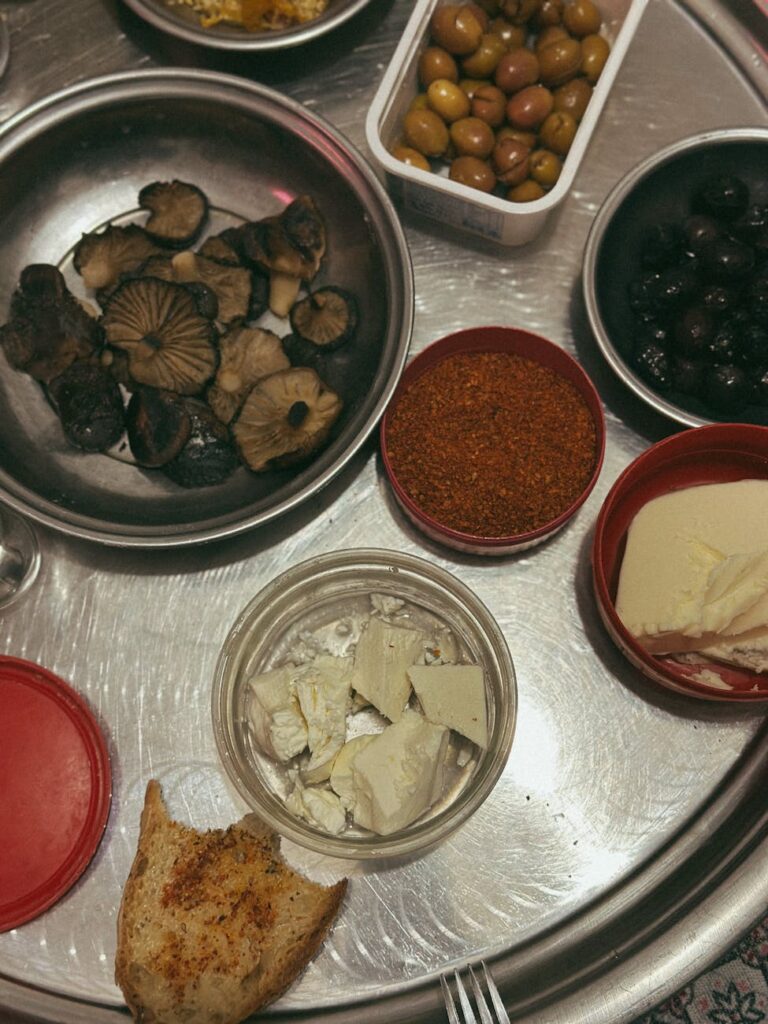
Feta Cheese Production by Country
Introduction
Feta cheese, with its crumbly texture and tangy flavor, has transcended its humble origins to become a staple in kitchens around the world. Traditionally associated with Greek cuisine, feta has garnered international acclaim, inspiring a variety of adaptations and imitations. Understanding the regional production of feta cheese provides valuable insights into its unique characteristics, production methods, and cultural significance. This article delves into the nuances of feta cheese production by country, highlighting key regions, historical contexts, and practical considerations for consumers and culinary enthusiasts alike.
What Is Regions?
In the context of feta cheese, “regions” refers to the geographical areas where this cheese is produced, each with its distinctive methods, regulations, and flavors that stem from local traditions and ingredients. While Greece is the most renowned producer of feta, other countries such as Bulgaria, Turkey, and even some regions in the United States have developed their own variations. Each region’s feta has its own unique attributes, influenced by local climate, grazing practices, and milk sources.
History and Origins
Feta cheese traces its origins back to ancient Greece, where it was reportedly enjoyed by the likes of Homeric heroes. Historical accounts suggest that the cheese was made as early as 4000 B.C. The term “feta” itself is believed to have derived from the Italian word “fetta,” meaning “slice,” referring to the way the cheese was cut for serving.
Feta’s position in Greek culture was solidified when it was officially recognized in 2002 as a Protected Designation of Origin (PDO) product by the European Union. This status ensures that only cheese produced in specific regions of Greece, using traditional methods and sheep’s or goat’s milk, can be labeled as feta. Countries like Bulgaria and Turkey also have a rich history of producing similar cheese varieties, often incorporating local adaptations that reflect their culinary heritages.
Production and Processing
Greece
In Greece, feta production is a meticulous process governed by tradition. The PDO designation stipulates that authentic feta must be made primarily from sheep’s milk (at least 70%), with the remaining percentage potentially coming from goat’s milk. The milk is typically sourced from local shepherds who graze their flocks on the aromatic grasses and wild herbs of the Greek countryside.
The production process begins with pasteurizing the milk, followed by the addition of rennet and a mesophilic starter culture. The curd is then cut, drained, and placed into molds, where it is pressed to remove excess whey. After salting, feta is aged in a brine solution for a minimum of two months, allowing its flavors to develop.
Bulgaria
Bulgaria has its own rich feta cheese tradition, known as “sirene.” While similar in taste and texture to Greek feta, Bulgarian sirene is often made from cow’s milk, although sheep and goat milk variations exist. The production methods mirror those of Greece, but the aging process can vary significantly, with some producers opting for a shorter maturation period.
Turkey
In Turkey, feta is known as “beyaz peynir,” translating to “white cheese.” Turkish beyaz peynir has a distinct taste, often described as saltier and creamier than its Greek counterpart. The production follows a similar process, but the milk used can vary widely, with cow, sheep, or goat milk frequently employed. Beyaz peynir is commonly aged in brine, and local herbs may be added for additional flavor.
United States
In the United States, feta cheese production has surged in popularity, largely due to the growing interest in Mediterranean cuisine. American feta is often made from cow’s milk, differentiating it from the traditional sheep’s milk varieties. The production methods vary widely, with many artisanal cheesemakers experimenting with different aging processes and flavor infusions. While American feta does not hold PDO status, many producers strive to replicate the traditional techniques to offer a quality product.
Quality and Grading
Quality in feta cheese production is influenced by several factors, including milk source, production methods, and aging processes. In Greece, feta is graded based on its moisture content, flavor, and texture. Authentic feta should have a creamy yet crumbly texture, a tangy flavor, and a white color, often with a slightly dry surface.
In countries like Bulgaria and Turkey, similar grading systems exist, focusing on moisture and salt levels. When purchasing feta, it is advisable to seek out cheeses that specify their production methods and origin, as these details often correlate with quality.
Buying Considerations
When purchasing feta cheese, consumers should consider the following factors:
1. Origin: Look for PDO feta from Greece for the most authentic experience. Alternatively, quality varieties from Bulgaria and Turkey offer distinct flavor profiles.
2. Milk Source: Check whether the feta is made from sheep’s, goat’s, or cow’s milk. Each type imparts different flavors and textures.
3. Packaging: Feta is often sold in brine, which helps preserve its freshness. Opt for products that come in sealed containers to ensure quality.
4. Ingredients: Authentic feta should contain minimal ingredients—ideally just milk, salt, rennet, and cultures. Be cautious of additives or preservatives.
5. Aging: Aged feta typically offers a more robust flavor. Check the label for aging information if you prefer a stronger taste.
Uses and Applications
Feta cheese is incredibly versatile and can be used in a multitude of culinary applications. Its crumbly texture makes it ideal for salads, such as the classic Greek salad, where its salty notes complement fresh vegetables. Feta can also enhance pasta dishes, pizzas, and savory pastries, such as spanakopita.
Beyond traditional uses, chefs often incorporate feta into dips, spreads, and even desserts. Its distinct flavor can elevate simple dishes, making it a favorite among culinary professionals and home cooks alike.
Storage and Shelf Life
Feta cheese, especially when stored in brine, can have a relatively long shelf life. When kept in the refrigerator, unopened feta can last for several months. Once opened, it should be consumed within a week or two, though its longevity can be extended if it is stored submerged in brine.
To maintain freshness, it is essential to keep feta in an airtight container and ensure that it remains covered in brine or oil. If feta is stored outside of brine, it should be wrapped tightly in plastic wrap or placed in an airtight container.
Common Misconceptions
Despite its popularity, several misconceptions about feta cheese persist:
1. Not All Feta is Greek: Many consumers mistakenly believe that all feta cheese is Greek. While Greece is the most renowned producer, feta-like cheeses are made across the world, each with unique characteristics.
2. Feta is Always Made from Sheep’s Milk: While traditional Greek feta is primarily made from sheep’s milk, many variations exist, including those made from cow’s or goat’s milk.
3. Feta is Always Salty: The saltiness of feta can vary significantly depending on its origin and production methods. Some feta varieties may be milder, while others are notably saltier.
4. Feta is a Low-Fat Cheese: Although feta is often perceived as a healthier cheese option, it is still a dairy product with a substantial fat content. Consumers should be mindful of portion sizes.
Frequently Asked Questions
1. What is the main difference between Greek feta and Bulgarian sirene?
Greek feta is primarily made from sheep’s milk and has a tangy flavor, whereas Bulgarian sirene can be made from cow’s milk and often has a creamier texture.
2. Can feta cheese be frozen?
While it is possible to freeze feta cheese, it may alter the texture. It is recommended to crumble or slice it before freezing and to use it in cooked dishes after thawing.
3. Is there a vegan alternative to feta cheese?
Yes, there are several plant-based alternatives made from tofu, nuts, or coconut that mimic feta’s texture and flavor. These products are often seasoned with herbs and spices for added flavor.
4. How do I know if feta cheese is fresh?
Fresh feta cheese should have a clean, tangy aroma, a crumbly texture, and a white appearance. If it has an off smell or discoloration, it may no longer be fresh.
5. Is feta cheese gluten-free?
Yes, feta cheese is naturally gluten-free, making it suitable for individuals with gluten sensitivities or celiac disease. However, always check packaging for potential cross-contamination.
6. What dishes can I use feta cheese in?
Feta cheese can be used in a variety of dishes, including salads, pasta, pizzas, omelets, and savory pastries. Its versatility makes it a popular ingredient in both Mediterranean and fusion cuisines.
In summary, feta cheese is not just an ingredient; it is a product deeply woven into the cultural fabric of regions that produce it. From its ancient roots in Greece to its modern adaptations around the world, feta continues to captivate taste buds and inspire culinary creativity. Understanding the nuances of its production by country enriches our appreciation of this beloved cheese, encouraging us to explore its many forms and flavors.