
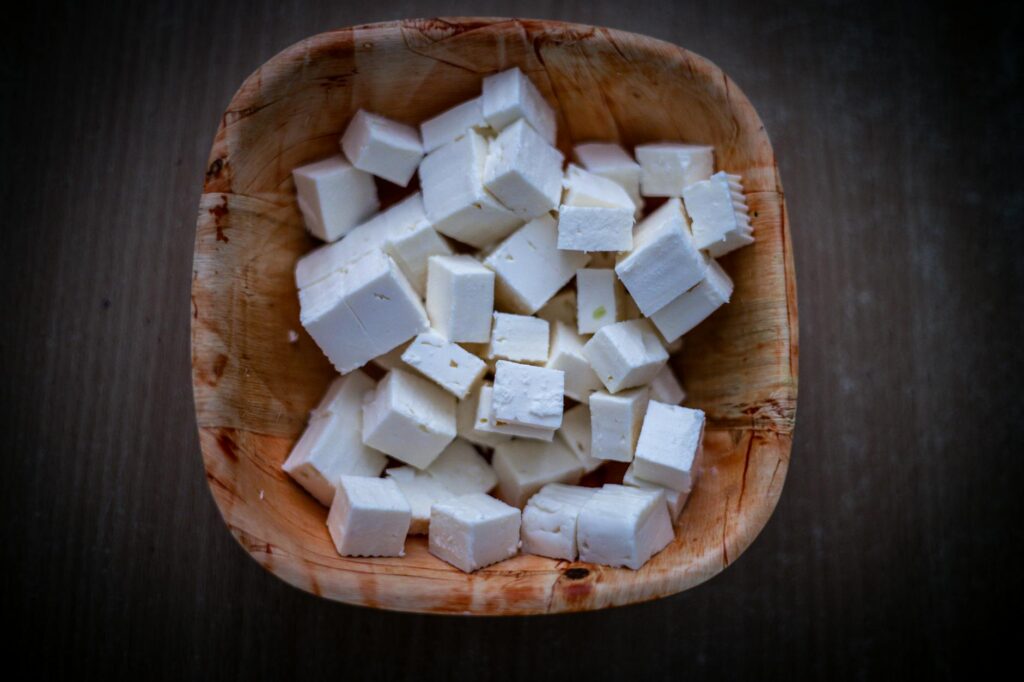
Feta Cheese Regions Guide Part 7
Introduction
Feta cheese, a staple of Mediterranean cuisine, is celebrated for its tangy flavor, crumbly texture, and versatility in various dishes. While it originates from Greece, the production of feta has expanded globally, leading to diverse regional interpretations. This guide delves into the distinct regions where feta cheese is produced, exploring their unique characteristics, historical backgrounds, and production processes.
What Is Regions?
In the context of feta cheese, “regions” refers to the geographical areas where the cheese is produced and the specific characteristics that define feta from each locality. These regions contribute to the flavor, texture, and overall quality of the cheese, influenced by local traditions, climate, and the types of milk used. Understanding these regional distinctions enhances appreciation for feta cheese and its role in culinary practices around the world.
History and Origins
Feta cheese’s history dates back thousands of years, with roots firmly planted in ancient Greece. Historical records suggest that cheese-making was practiced as far back as 2000 BC. The term “feta” itself is derived from the Italian word “fetta,” meaning “slice,” which refers to the way the cheese is cut. Traditionally, feta was made from sheep’s milk or a blend of sheep and goat’s milk, reflecting the pastoral lifestyle of the regions where it was produced.
In 2002, feta cheese received Protected Designation of Origin (PDO) status from the European Union, ensuring that only cheese produced in specific regions of Greece, using traditional methods, can be labeled as feta. This designation underscores the importance of geographical influence on the cheese’s identity, with regions like Thessaly, Macedonia, and the Peloponnese being particularly noted for their high-quality feta.
Production and Processing
The production of feta cheese involves meticulous processes that vary slightly depending on the region. Traditionally, feta is made from the milk of sheep, sometimes blended with goat’s milk, which imparts a distinct flavor profile.
Steps in Production:
1. Milk Collection: Freshly milked sheep or goat milk is collected, typically within a few hours of milking to ensure quality.
2. Curdling: Natural or commercial rennet is added to the milk to facilitate curd formation. The milk is left to set until curds form.
3. Cutting the Curd: Once firm, the curd is cut into small pieces to release whey. The size of the cut influences the final texture of the cheese.
4. Draining: The curds are placed in molds to drain excess whey, creating the characteristic crumbly texture.
5. Salting: After draining, the cheese is salted, enhancing flavor and acting as a preservative. Some regions may use brine solutions for aging.
6. Aging: The cheese is then aged in brine for a minimum of two months, during which it develops its signature tangy flavor.
Regional variations impact the aging process and the specific techniques employed, contributing to the distinctiveness of feta produced in different locales.
Quality and Grading
Quality and grading of feta cheese are determined by several factors, including milk source, production methods, and aging duration. PDO-certified feta must adhere to strict guidelines to be classified as such.
Criteria for Quality:
- Milk Composition: The ratio of sheep to goat milk can affect flavor; higher sheep content typically yields a richer cheese.
- Texture: Authentic feta should be crumbly yet retain some creaminess, indicative of proper aging.
- Flavor: A well-aged feta will exhibit a balanced tanginess, with notes of saltiness and a hint of nuttiness.
- Appearance: Traditional feta is white, with a slightly moist surface.
- Salads: Feta is a classic ingredient in Greek salads, where its salty flavor complements fresh vegetables.
- Pastries: In regions like Greece and Turkey, feta is a key filling in savory pastries such as spanakopita (spinach pie).
- Dips and Spreads: Blended with herbs and olive oil, feta can create rich dips perfect for bread or vegetables.
- Pasta Dishes: Crumbled feta can elevate pasta dishes, offering a creamy contrast to tomato-based sauces.
- Grain Bowls: Feta adds flavor and texture to grain bowls, pairing well with grains like quinoa or farro.
- Refrigeration: Feta should always be kept refrigerated, ideally in its original brine or covered
Grading systems may vary by region, but PDO standards ensure a baseline of quality and authenticity for feta produced in Greece.
Buying Considerations
When purchasing feta cheese, several factors should be considered to ensure quality and authenticity:
1. Source: Look for PDO certification, which guarantees the cheese is produced in designated regions of Greece using traditional methods.
2. Milk Type: Check the label for the type of milk used; authentic feta should ideally be made from sheep’s milk or a sheep-goat blend.
3. Texture and Moisture: Opt for feta that feels slightly moist to the touch. Dry feta may indicate over-aging or inferior quality.
4. Packaging: Fresh feta is often sold in brine to maintain moisture. Ensure that the packaging is intact and the cheese is stored in a cool environment.
5. Price: Quality feta can be more expensive due to the labor-intensive production process. Be cautious of unusually low prices, which may indicate lower quality or imitation products.
Uses and Applications
Feta cheese is incredibly versatile, lending itself to various culinary applications across different cuisines. It is commonly used in:
The cheese’s distinct taste also works well in fusion dishes, showcasing its adaptability.
Storage and Shelf Life
Proper storage is crucial for maintaining the quality of feta cheese. Here are some guidelines: