
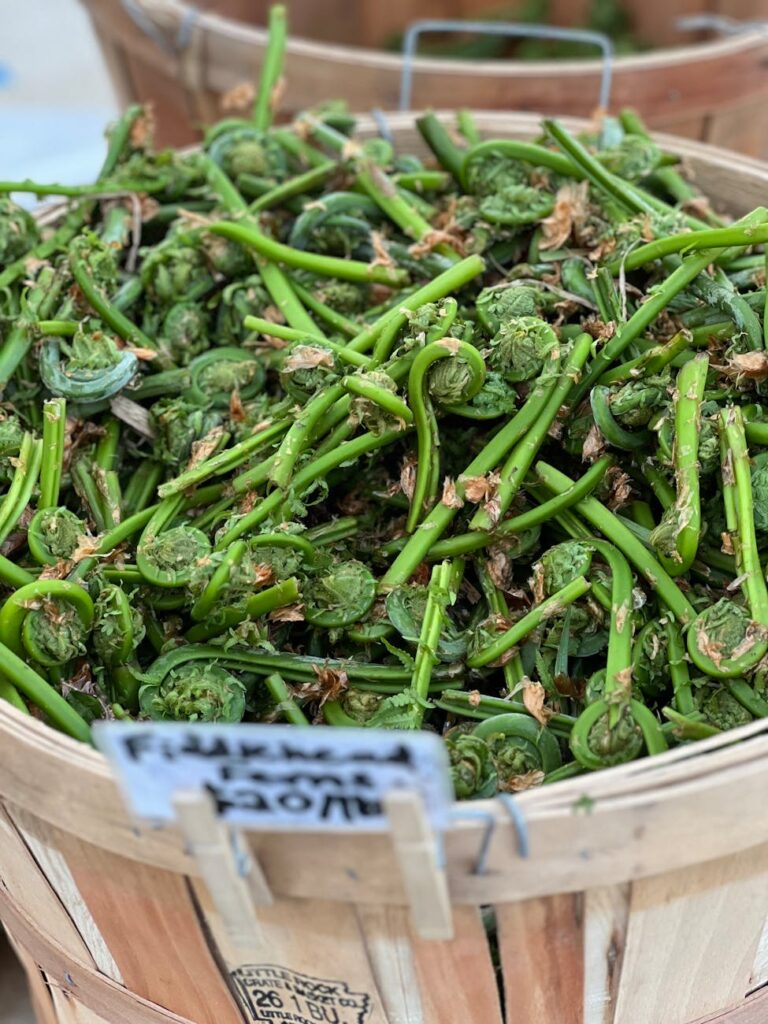
Fiddlehead Ferns Around the World
Introduction
Fiddlehead ferns are a unique and intriguing culinary ingredient, prized for their delicate flavor and vibrant green color. These young, coiled fronds of ferns are harvested in the spring, making them a seasonal delicacy in various regions around the globe. This article delves into the diverse regions where fiddlehead ferns thrive, exploring their cultural significance, historical roots, production methods, and culinary applications.
What Is Regions?
In the context of food ingredients, “regions” refers to the geographical areas where specific ingredients are grown, harvested, and utilized. Understanding regions is crucial for appreciating the flavor profiles, cultural practices, and culinary traditions associated with these ingredients. For fiddlehead ferns, different regions not only influence their availability but also contribute to their unique characteristics and uses in local cuisines.
History and Origins
Fiddlehead ferns have a rich history that dates back thousands of years. Indigenous peoples in North America were among the first to recognize the culinary potential of these ferns, incorporating them into their diets long before European settlers arrived. Historically, fiddleheads were foraged in the wild during the spring months, symbolizing renewal and the arrival of warmer weather.
The most common species consumed are Matteuccia struthiopteris (ostrich fern) and Adiantum aleuticum (western maidenhair fern). The ostrich fern, in particular, has long been celebrated in North American cuisine for its tender, edible fronds. In Asia, fiddleheads have been embraced in countries such as Japan and Korea, where they are known as “warabi” and “gosari,” respectively. Their historical uses in these regions reflect a deep appreciation for seasonal ingredients and foraged foods.
Production and Processing
The production of fiddlehead ferns is predominantly a wild-harvesting practice, although some farmers now cultivate them. In North America, particularly in the northeastern United States and Canada, fiddleheads are typically harvested in late April to early June.
Harvesters must be knowledgeable about identifying edible species, as some ferns can be toxic. Matteuccia struthiopteris is recognized for its distinct, curled shape and is safe for consumption when properly prepared. After harvesting, fiddleheads are often rinsed to remove dirt and debris and sold fresh in markets or processed for freezing.
In Asia, production practices differ slightly. In Japan, fiddleheads are often harvested in the wild, while in Korea, they may be cultivated on small farms. The processing methods may include blanching, drying, or pickling, each contributing to the ingredient’s versatility.
Quality and Grading
When it comes to fiddlehead ferns, quality is paramount. Fresh fiddleheads should be tightly coiled, vibrant green, and free from blemishes or discoloration. The texture should feel firm yet tender to the touch. Higher quality fiddleheads are typically harvested early in the season, as they have not yet fully unfurled and maintain a more delicate flavor.
Grading standards may vary by region. In North America, fiddleheads are often graded based on size, with larger, more tender fronds fetching higher prices. In Asia, the focus may be on the freshness and specific species, with certain varieties being more sought after than others.
Buying Considerations
When purchasing fiddlehead ferns, it is essential to consider several factors to ensure you are obtaining a high-quality product. Here are some key considerations:
1. Source: Buy from reputable vendors who can confirm the source of their fiddleheads. Wild-harvested ferns should be collected sustainably to protect wild populations.
2. Appearance: Look for tightly coiled fronds that exhibit a vibrant green color. Avoid any that appear wilted or have brown spots.
3. Seasonality: Fiddleheads are highly seasonal. Purchasing them when they are in season—typically from late April to early June in North America—will yield the freshest quality.
4. Storage: If not used immediately, proper storage is crucial. Fresh fiddleheads should be refrigerated and used within a week.
5. Species: Familiarize yourself with the species available in your region, as some may have distinct flavors and uses.
Uses and Applications
Fiddlehead ferns are versatile ingredients that lend themselves to a variety of culinary applications. In North America, they are often sautéed, steamed, or blanched and served as a side dish or incorporated into salads, risottos, and pasta dishes. Their unique, slightly grassy flavor pairs well with ingredients such as garlic, lemon, and cream.
In Asian cuisines, fiddleheads are typically used in stir-fries, soups, and pickled preparations. For instance, in Korea, gosari (fiddlehead ferns) is often marinated and served in bibimbap, a mixed rice dish. In Japan, fiddleheads might be featured in seasonal dishes celebrating the arrival of spring.
The growing popularity of fiddleheads has also led to their inclusion in contemporary culinary creations, where chefs experiment with innovative techniques and pairings, elevating this traditional ingredient to new heights.
Storage and Shelf Life
Fresh fiddlehead ferns should be treated with care to maintain their quality and flavor. Here are some best practices for storage:
- Refrigeration: Store fresh fiddleheads in a paper bag in the vegetable crisper of the refrigerator. Avoid plastic bags, as they can trap moisture and lead to spoilage.
- Shelf Life: Fresh fiddleheads are best consumed within a week of purchase. If you are unable to use them in that timeframe, consider blanching and freezing for later use.
- Freezing: To freeze, wash and blanch fiddleheads in boiling water for 2-3 minutes, then quickly transfer them to an ice bath to stop the cooking process. Once cooled, drain