
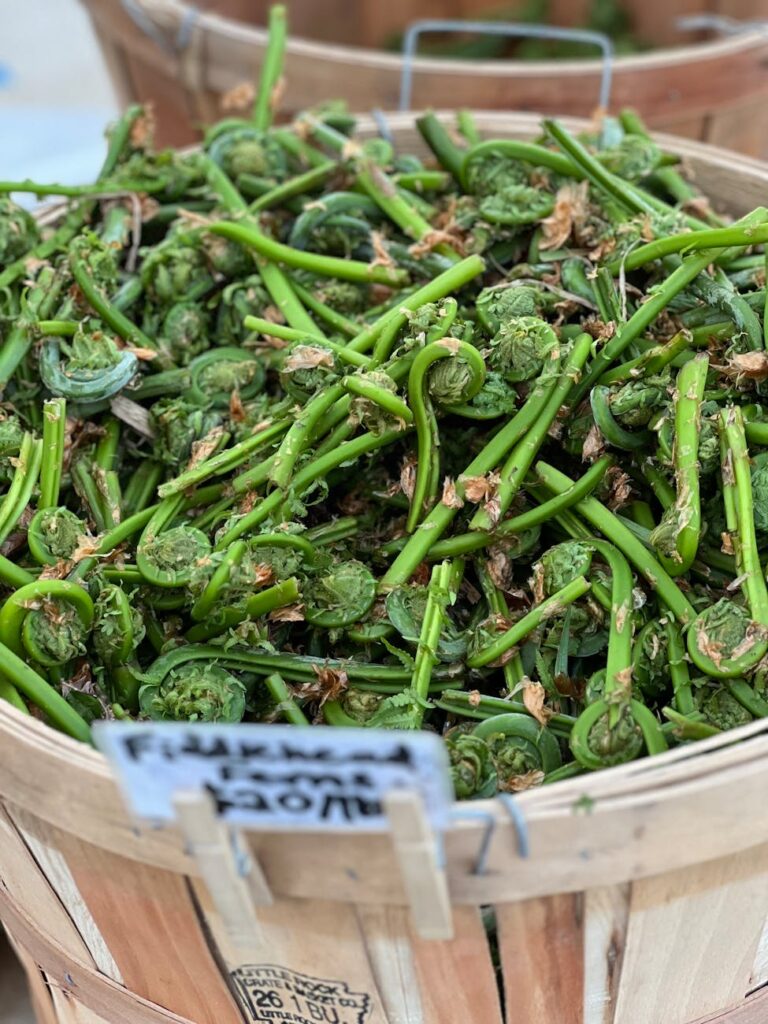
Fiddlehead Ferns Buying Guide Part 7
Introduction
Fiddlehead ferns, the coiled young shoots of various fern species, have captivated culinary enthusiasts with their unique flavor and texture. These seasonal delicacies are typically harvested in the spring and are prized for their earthy, grassy notes. As interest in foraged and wild ingredients continues to grow, understanding how to buy fiddlehead ferns effectively becomes essential. This guide aims to provide comprehensive insights into the buying process, ensuring you make informed choices for your culinary pursuits.
What Is Buying?
In the context of food ingredients, “buying” refers to the process of selecting and purchasing food items with a focus on quality, freshness, and suitability for specific culinary applications. When it comes to fiddlehead ferns, this involves understanding their seasonality, identifying reputable sources, assessing quality and grading, and considering storage options. Effective buying practices not only ensure the best flavor and texture but also promote sustainable harvesting and responsible consumption.
History and Origins
Fiddlehead ferns have a rich history that dates back centuries, with indigenous peoples in North America and other regions incorporating them into their diets long before they became known in mainstream cuisine. Historically, various species of ferns, including the ostrich fern (Matteuccia struthiopteris), have been utilized for their nutritional benefits and unique flavors.
Regions such as the northeastern United States and Canada have a particularly strong tradition of foraging fiddleheads. Today, they are celebrated in fine dining establishments and farmers’ markets, often featured in gourmet dishes that highlight their delicate taste and seasonal availability.
Production and Processing
Fiddlehead ferns are typically wild-harvested rather than cultivated. The harvesting season usually spans from late April to early June, depending on the region and climate. Responsible harvesting practices are crucial to ensure the sustainability of fern populations. Harvesters should only take the topmost fronds, leaving the remainder of the plant intact to allow for continued growth.
After harvesting, fiddleheads need to be processed quickly to maintain freshness. This involves rinsing them thoroughly to remove dirt and debris. Due to their delicate nature, they are best used soon after harvesting; however, they can also be blanched and frozen for later use.
Quality and Grading
When purchasing fiddlehead ferns, quality is paramount. High-quality fiddleheads should be vibrant green, tightly coiled, and free from brown spots or wilting. The presence of an off-putting odor can indicate spoilage, so fresh fiddleheads should have a clean, grassy aroma.
Grading standards for fiddlehead ferns may vary by region, but generally, they can be classified as:
- Grade A: Fresh, tightly coiled, and free from blemishes or discoloration.
- Grade B: Slightly wilted or discolored but still edible.
- Grade C: Overly mature, uncoiled, or exhibiting signs of spoilage.
Understanding these grades can help consumers make informed decisions when purchasing fiddleheads, whether from farmers’ markets, grocery stores, or specialty food shops.
Buying Considerations
When buying fiddlehead ferns, several key considerations come into play:
1. Seasonality: Fiddleheads are highly seasonal. Be aware of the specific time frame in your region when they are available, as this greatly impacts their freshness and quality.
2. Source: Opt for fiddleheads sourced from reputable vendors. Farmers’ markets, local foragers, and specialty stores often provide the freshest options. If purchasing online, choose suppliers known for their quality and sustainable practices.
3. Storage: Fiddleheads are perishable and should be consumed or processed quickly after purchase. If not used immediately, store them in a loosely closed plastic bag in the refrigerator, where they can last up to a week.
4. Sustainability: Consider the ecological impact of your purchase. Support vendors who practice responsible harvesting methods to ensure the continued availability of fiddleheads for future generations.
5. Preparation: While fiddleheads can be eaten raw, they are typically recommended to be cooked to eliminate potential toxins. Familiarize yourself with safe cooking methods before purchasing.
6. Price: Fiddleheads can vary in price based on availability and quality. Understanding what constitutes a fair price based on market conditions can help you make wise purchasing decisions.
Uses and Applications
Fiddlehead ferns are versatile ingredients that lend themselves to various culinary applications. Their unique flavor profile can enhance a range of dishes, from salads and pastas to stir-fries and soups. They are often used as a garnish or side dish, showcasing their vibrant color and appealing texture.
In fine dining, fiddleheads are frequently paired with proteins like fish or poultry, highlighting their earthy notes. They can also be pickled to preserve their flavor and make for an interesting condiment. Additionally, fiddlehead ferns can be incorporated into vegetarian and vegan dishes, adding a seasonal touch to plant-based cuisine.
Storage and Shelf Life
Fiddlehead ferns have a relatively short shelf life due to their perishable nature. When stored properly, they can last up to a week in the refrigerator. Here are some tips for optimal storage:
1. Refrigeration: Place fiddleheads in a loosely closed plastic bag to maintain moisture without trapping excess humidity, which can lead to spoilage.
2. Freezing: For longer storage, fiddleheads can be blanched in boiling water for 1-2 minutes, then plunged into ice water to halt the cooking process. After draining, they can be packed in airtight containers or freezer bags and stored in the freezer for up to 12 months.
3. Avoiding Moisture: Excess moisture can lead to mold and decay, so ensure fiddleheads are dry before storage.
4. Inspection: Regularly check stored fiddleheads for any signs of spoilage