
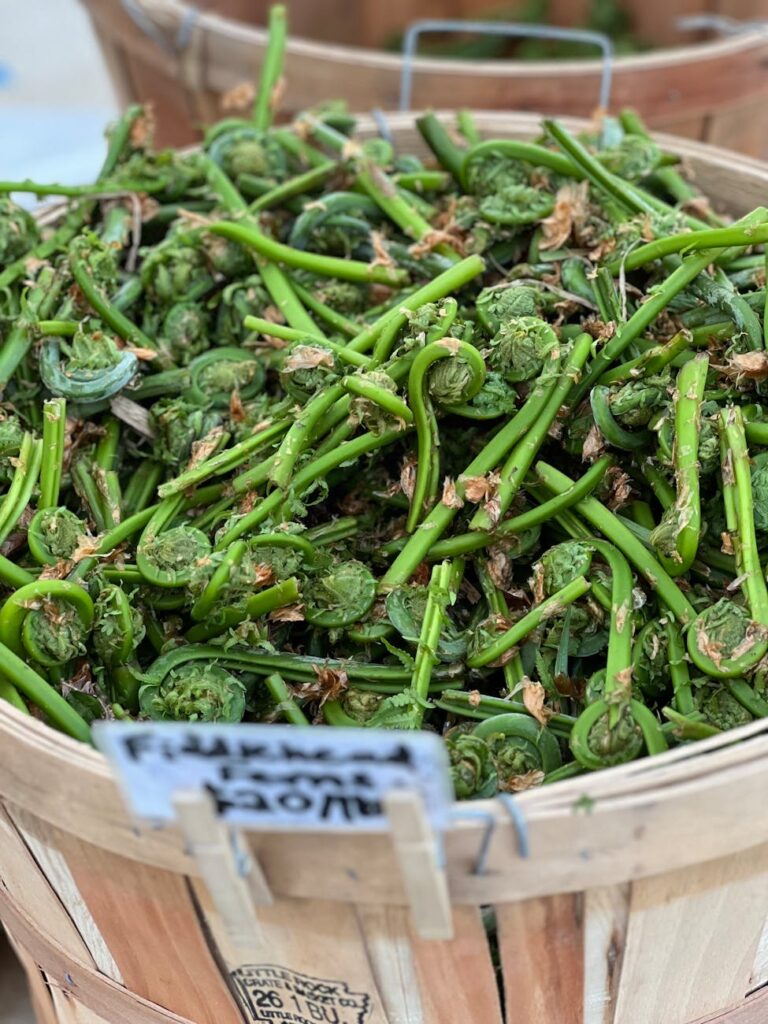
Fiddlehead Ferns Cultivation Explained
Introduction
Fiddlehead ferns, the young, coiled fronds of certain fern species, are a culinary delicacy celebrated for their unique flavor and tender texture. These ephemeral greens, often foraged in the wild, have gained popularity in gourmet cuisine and among health-conscious eaters. Understanding their cultivation is essential for both commercial growers and enthusiasts alike. This article delves into the intricacies of fiddlehead fern cultivation, covering everything from historical context to practical growing tips.
What Is Growing?
Growing refers to the process of nurturing plants from seed or spores to full maturity. In the case of fiddlehead ferns, it encompasses the selection of the right species, optimal environmental conditions, and best practices for care. Fiddlehead ferns belong to various genera, with the most common species being Matteuccia struthiopteris (ostrich fern) and Athyrium filix-femina (lady fern). These ferns thrive in specific habitats, which makes understanding their growth requirements critical for successful cultivation.
History and Origins
The history of fiddlehead ferns is rich and intertwined with various cultures. Indigenous peoples of North America have harvested these ferns for centuries, using them in traditional dishes and recognizing their seasonal significance. The practice of foraging for fiddleheads has been documented since the early 19th century, and they remain a symbol of spring in many regions.
Fiddleheads have also found their way into European cuisine, particularly in France and Scandinavia, where they are appreciated for their delicate flavor. Their commercial cultivation began to gain traction in the late 20th century as chefs and food enthusiasts sought to incorporate unique, seasonal ingredients into their dishes.
Production and Processing
Site Selection
Selecting the right site is crucial for fiddlehead fern cultivation. They thrive in moist, shaded areas with well-drained, rich soil that retains moisture. Ideal locations often include woodland edges, riverbanks, and shaded gardens. Soil pH should ideally be between 5.5 and 7.0; regular testing can help maintain these levels.
Planting and Propagation
Fiddleheads can be propagated through spores or division of established clumps. For most home growers, division is the preferred method. The best time to divide ferns is in early spring or late fall when the plants are dormant.
1. Division: Carefully dig up clumps of established ferns, ensuring that each division has roots and a portion of the crown. Replant them immediately in prepared soil, spacing them about 18-24 inches apart to allow for growth.
2. Spores: While less common for cultivation, spores can be collected from mature ferns. They need to be sown in a sterile medium, kept moist, and provided with indirect light. However, growing from spores requires more expertise and patience.
Care and Maintenance
Fiddleheads require consistent moisture but should not be waterlogged. Regular watering is essential during dry spells. Mulching can help retain soil moisture and suppress weeds. Fertilization is generally not necessary if the soil is rich; however, a light application of organic compost in early spring can support growth.
Pest and Disease Management
Fiddlehead ferns are relatively resistant to pests and diseases. However, common issues include slugs, snails, and aphids. Employing organic pest management strategies, such as introducing beneficial insects or using diatomaceous earth, can be effective. Fungal diseases can arise in overly damp conditions, so ensuring proper air circulation and drainage is vital.
Quality and Grading
The quality of fiddlehead ferns is determined by several factors, including size, color, and freshness. The best fiddleheads are tightly coiled, vibrant green, and firm to the touch. Quality grading often involves assessing the following attributes:
1. Size: Medium-sized fiddleheads (approximately 2-4 inches long) are generally preferred, as they have the best flavor and texture.
2. Color: A bright green hue indicates freshness, while browning or wilting suggests age.
3. Firmness: Fresh fiddleheads should feel crisp and resilient. Soft or mushy fiddleheads indicate spoilage.
Buying Considerations
When purchasing fiddlehead ferns, whether from a market or specialty store, consider the following:
1. Seasonality: Fiddleheads are typically available in the spring, peaking from late April to early June, depending on the region. Buy them fresh during this window for optimal flavor.
2. Source: If foraging, ensure you are knowledgeable about the species, as some ferns are toxic. For commercial purchases, seek out reputable vendors who source from organic or sustainable farms.
3. Storage: Fresh fiddleheads should be stored in a cool, moist environment. Avoid stacking them, as this can lead to bruising.
Uses and Applications
Fiddlehead ferns are versatile in culinary applications. They can be sautéed, steamed, or pickled, offering a unique flavor profile reminiscent of asparagus or green beans. Fiddleheads pair well with a variety of ingredients, making them a popular choice for salads, soups, and side dishes. Their seasonal availability also adds to their allure, as they signify the arrival of spring and fresh produce.
In addition to culinary uses, fiddleheads have found a place in traditional crafts and decorative arrangements. Their unique shape and vibrant color make them visually appealing.
Storage and Shelf Life
Fiddlehead ferns have a relatively short shelf life. When stored properly, they can last up to one week in the refrigerator. To store:
1. Refrigeration: Place fiddleheads in a paper bag or wrap them in a damp cloth to maintain moisture. Avoid plastic bags, as they can trap moisture and promote spoilage.
2. Freezing: For