
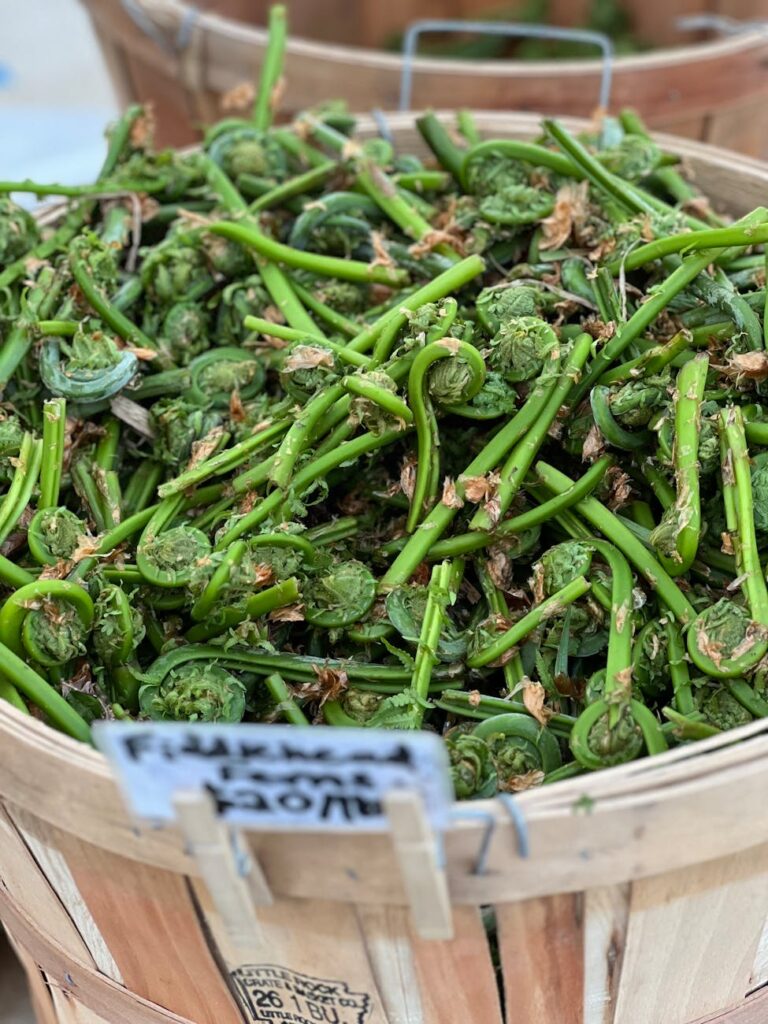
Fiddlehead Ferns Grading Explained
Introduction
Fiddlehead ferns, the young, coiled fronds of certain fern species, are a delicacy in many culinary traditions. Their unique flavor and texture have made them a sought-after ingredient in gourmet kitchens. However, their seasonal availability and delicate nature necessitate a thorough understanding of their grading and quality assessment for buyers. This article delves into the intricacies of buying fiddlehead ferns, exploring everything from their historical significance to the nuances of grading and quality control.
What Is Buying?
Buying, in the context of food ingredients, refers to the process of selecting and purchasing products based on specific criteria such as quality, price, and intended use. For fiddlehead ferns, this involves understanding the various aspects that contribute to their quality, including freshness, appearance, and sourcing practices. Buyers—whether chefs, grocers, or consumers—must be well-informed to make educated decisions that ensure they receive the best product available.
History and Origins
Fiddlehead ferns have a rich history that spans centuries and cultures. Indigenous peoples in North America have harvested and consumed these ferns for generations, holding them in high esteem for their flavor and nutritional value. The practice of foraging for fiddleheads began as a necessity, but it has evolved into a seasonal culinary tradition celebrated in various regions.
The name “fiddlehead” is derived from the resemblance of the curled fronds to the scroll of a violin. While several species of ferns produce edible fiddleheads, the most commonly consumed varieties include the Ostrich fern (Matteuccia struthiopteris), the Lady fern (Athyrium filix-femina), and the Cinnamon fern (Osmundastrum cinnamomeum). Their availability typically peaks in spring, and this seasonal window necessitates careful sourcing and purchasing practices.
Production and Processing
Fiddlehead ferns are wild-harvested in many regions, particularly in North America, where they thrive in moist, shaded environments. The harvesting process is relatively labor-intensive, as the ferns must be carefully handpicked to avoid damaging the delicate fronds. Sustainability is a crucial consideration; overharvesting can deplete local fern populations, so responsible foraging practices are essential.
Once harvested, fiddlehead ferns undergo several processing steps before they reach the consumer. This includes cleaning to remove dirt and debris and often blanching to preserve their vibrant color and texture. Proper processing techniques play a critical role in maintaining the quality of the ferns, making it vital for buyers to understand the handling practices of their suppliers.
Quality and Grading
The quality of fiddlehead ferns is paramount for both culinary applications and consumer satisfaction. Grading is a standardized method used to categorize fiddleheads based on various criteria, including size, appearance, and freshness. Here are the main factors that influence grading:
Appearance
High-quality fiddlehead ferns should be bright green, tightly coiled, and free from brown spots or wilting. The presence of vibrant colors indicates freshness and proper handling. Buyers should also look for uniformity in size and shape, as this affects cooking consistency.
Size
Fiddlehead ferns come in various sizes, typically ranging from small (about one inch) to large (up to four inches). While personal preference may dictate choice, larger ferns are often favored for their meatiness and texture. Grading often categorizes them into different sizes, impacting market value.
Freshness
Freshness is critical in grading fiddlehead ferns. The ideal product should be harvested within a few days of purchase. Buyers should avoid ferns that appear wilted or have a slimy texture, as these are indicators of age and potential spoilage.
Cleanliness
The presence of dirt, cut stems, or unwanted debris can affect the quality grade of fiddleheads. Clean, well-prepared fiddleheads are essential for culinary applications and should be prioritized by buyers.
Buying Considerations
When purchasing fiddlehead ferns, several factors come into play:
Source
It’s essential to know the source of the fiddleheads. Wild-harvested ferns from reputable foragers are often of higher quality than those from large-scale agricultural operations. Sustainable harvesting practices should also be a consideration; look for suppliers who prioritize environmental stewardship.
Seasonality
Fiddlehead ferns have a short harvesting season, typically lasting just a few weeks in spring. Buyers should be aware of this timeframe to ensure they obtain the freshest product. Off-season purchases may lead to lower quality and higher prices.
Storage and Handling
Understanding how fiddlehead ferns are handled and stored can significantly influence quality. Buyers should seek suppliers who demonstrate best practices in handling, including refrigeration and prompt delivery.
Uses and Applications
Fiddlehead ferns are versatile and can be incorporated into a variety of culinary applications. They are commonly sautéed, steamed, or pickled, and are often used in salads, pasta dishes, and as garnishes. Their unique flavor—often described as a cross between asparagus and spinach—makes them a popular choice for both home cooks and professional chefs.
In addition to their culinary uses, fiddleheads have been embraced in various cultural dishes, from traditional Native American recipes to contemporary gourmet cuisine. Their aesthetic appeal and distinctive taste make them a favorite for seasonal menus, highlighting the importance of freshness in their preparation.
Storage and Shelf Life
Fiddlehead ferns are highly perishable and require careful storage to maintain their quality. When purchased, they should be refrigerated immediately, ideally in a breathable container to prevent moisture buildup.
The general shelf life of fresh fiddlehead ferns is about 5 to 7 days when stored properly. Buyers should avoid washing them until just before use to prevent premature spoilage. For longer storage, blanching and freezing can extend their usability, although this may alter their texture.
Common Misconceptions
Despite