
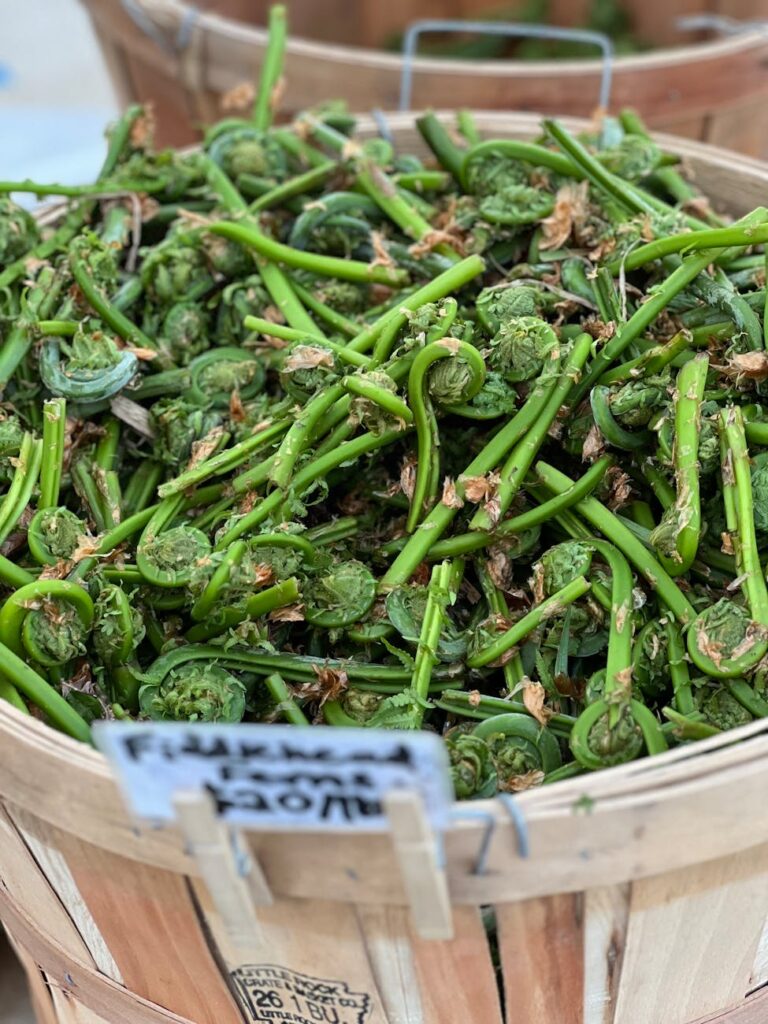
Fiddlehead Ferns Production by Country
Introduction
Fiddlehead ferns, the young, coiled fronds of certain fern species, are celebrated for their unique flavor and delicate texture. They hold a special place in various culinary traditions across the globe, particularly in North America and parts of Asia. As an ingredient, fiddlehead ferns are not only versatile but also carry a rich history and cultural significance. This article explores the production of fiddlehead ferns by country, examining factors such as historical context, processing techniques, quality standards, and buying considerations.
What Is Regions?
In the context of fiddlehead ferns, “regions” refers to the geographical areas where these ferns are cultivated or foraged. Different regions have varying climates, soil types, and ecosystems that influence the types of fiddleheads available and their overall quality. Understanding these regions is crucial for consumers, chefs, and producers alike, as it can affect the taste, texture, and nutritional profile of the ferns.
History and Origins
Fiddlehead ferns have been consumed for centuries, with origins traceable to indigenous cultures in North America and Asia. Native Americans were among the first to forage these ferns in the wild, utilizing them for both culinary and medicinal purposes. The name “fiddlehead” is derived from the resemblance of the coiled fronds to the scroll of a fiddle instrument.
In Asia, particularly in Japan and Korea, fiddlehead ferns have been integral to traditional diets, often appearing in seasonal dishes that highlight their unique flavor. The cultivation and consumption of fiddlehead ferns have expanded over the years, leading to their popularity in modern culinary arts.
Production and Processing
North America
In the United States and Canada, fiddlehead ferns are primarily harvested in the wild, with the most popular species being the ostrich fern (Matteuccia struthiopteris). The harvest season generally begins in late spring, when the ferns are still tightly coiled. Harvesters must be careful to only pick the young fronds, as older fiddleheads can be toxic and unpalatable.
Once harvested, fiddleheads undergo minimal processing. They are typically washed to remove dirt and debris and then blanched to enhance their vibrant green color and reduce any bitterness. Some producers may freeze fiddleheads to extend their shelf life, while others sell them fresh or pickled.
Asia
In countries like Japan and Korea, fiddlehead ferns, known as “zenmai” in Japanese and “gosari” in Korean, are often cultivated in controlled environments. These countries have developed specific agricultural techniques to enhance growth and ensure quality. The production of fiddlehead ferns involves careful monitoring of soil conditions, moisture levels, and seasonal changes.
In addition to fresh fiddleheads, Asian markets frequently offer preserved versions, such as pickled or dried ferns. These preparations allow for year-round consumption and introduce unique flavors to various dishes.
Quality and Grading
The quality of fiddlehead ferns is assessed based on several criteria, including size, color, and freshness. High-quality fiddleheads should be tightly coiled, bright green, and free of blemishes or signs of wilting. Producers and buyers often use a grading system to categorize fiddleheads:
1. Grade A: Premium fiddleheads that are uniform in size, vibrant in color, and free from blemishes.
2. Grade B: Acceptable fiddleheads that may have slight imperfections but are still suitable for culinary use.
3. Grade C: Lower quality fiddleheads that may be older or damaged, often used for processing or in less discerning applications.
Quality control is essential, particularly for producers exporting fiddleheads to international markets. Compliance with food safety standards is crucial to ensure the ferns are safe for consumption.
Buying Considerations
When purchasing fiddlehead ferns, consumers should consider several factors:
1. Freshness: Look for tightly coiled fronds that are bright green and firm to the touch. Avoid any that appear wilted or discolored.
2. Source: Opt for fiddleheads from reputable suppliers or local farmers’ markets. This ensures that the ferns have been harvested responsibly and are of high quality.
3. Processing: If buying processed fiddleheads, check for any additives or preservatives. Fresh or frozen fiddleheads are generally preferable for culinary uses.
4. Seasonality: Fiddlehead ferns are seasonal, with availability primarily in late spring. Be aware of the harvest season in your region to purchase them at their peak freshness.
5. Sustainability: Consider the environmental impact of fiddlehead harvesting. Sustainable foraging practices are essential to protect wild populations and their ecosystems.
Uses and Applications
Fiddlehead ferns are a versatile ingredient in various culinary applications. Their earthy, grassy flavor pairs well with a wide range of ingredients, making them suitable for both savory and sweet dishes. Common uses include:
- Salads: Blanched fiddleheads can be tossed into salads for added texture and flavor.
- Sautéed Dishes: They can be sautéed with garlic, oil, and other vegetables, serving as a delightful side dish.
- Soups and Stews: Fiddleheads can be added to soups and stews, enhancing the dish with their unique taste.
- Preservation: Pickling or fermenting fiddleheads extends their shelf life and introduces complex flavors.
- Fresh Fiddleheads: Store them in a paper bag in the refrigerator, where they can last for about a week. Avoid sealing them in plastic, as this can trap moisture and lead to spoilage.
- Blanched Fiddleheads: If blanched, they can be stored in an airtight container in the refrigerator for up to a week or frozen for longer storage, typically up to six months.
- Dried or Pickled Fiddleheads: These have a longer shelf life and can be stored in a cool, dark place. Check expiration dates on packaging for commercially processed products.
In Asian cuisine, fiddlehead ferns are often used in traditional dishes, such as stir-fries, side dishes, and as a component in rice bowls. Their culinary applications are as diverse as the regions from which they originate.
Storage and Shelf Life
Fiddlehead ferns are highly perishable and should ideally be consumed shortly after harvest. If you need to store them, follow these guidelines:
Common Misconceptions
1. All Fiddlehead Ferns Are Edible: Not all fiddlehead ferns are safe to eat. Some species can be toxic if consumed raw or improperly prepared. The ostrich fern is one of the most commonly consumed varieties.
2. Fiddleheads Are Available Year-Round: Fiddlehead ferns are seasonal and typically available only in late spring. Outside this period, they may be difficult to find fresh.
3. All Fiddlehead Ferns Taste the Same: Different species of fiddlehead ferns have distinct flavors and textures. Ostrich ferns, for instance, are known for their mild, grassy taste, while other varieties may be more robust.
Frequently Asked Questions
1. What are fiddlehead ferns?
Fiddlehead ferns are the young, coiled fronds of certain fern species, primarily the ostrich fern. They are edible and have a unique flavor.
2. When is the best time to harvest fiddlehead ferns?
The ideal time to harvest fiddlehead ferns is late spring, typically from late April to early June, depending on the region.
3. Are fiddlehead ferns safe to eat?
Yes, fiddlehead ferns are safe to eat when properly prepared. It is essential to cook them thoroughly, as some varieties can be toxic if consumed raw.
4. How can I store fiddlehead ferns?
Fresh fiddlehead ferns should be stored in a paper bag in the refrigerator. Blanched ferns can be kept in an airtight container for up to a week or frozen for six months.
5. Can I find fiddlehead ferns in grocery stores?
Availability varies by region and season. They are more likely to be found in specialty stores, farmers’ markets, or during the spring harvest period.
6. What dishes can I make with fiddlehead ferns?
Fiddlehead ferns can be used in various dishes, including salads, stir-fries, soups, and as side dishes. Their unique flavor enhances many recipes, particularly in springtime menus.
Conclusion
Fiddlehead ferns are a unique and flavorful ingredient with a rich history and diverse applications in global cuisine. Their production varies by region, influenced by local agricultural practices and market demands. By understanding the nuances of fiddlehead fern production, quality assessment, and culinary uses, consumers and chefs can appreciate this seasonal delicacy and incorporate it into their cooking with confidence. As awareness of sustainable foraging and responsible sourcing grows, the future of fiddlehead ferns in culinary arts appears promising, continuing to delight palates around the world.