
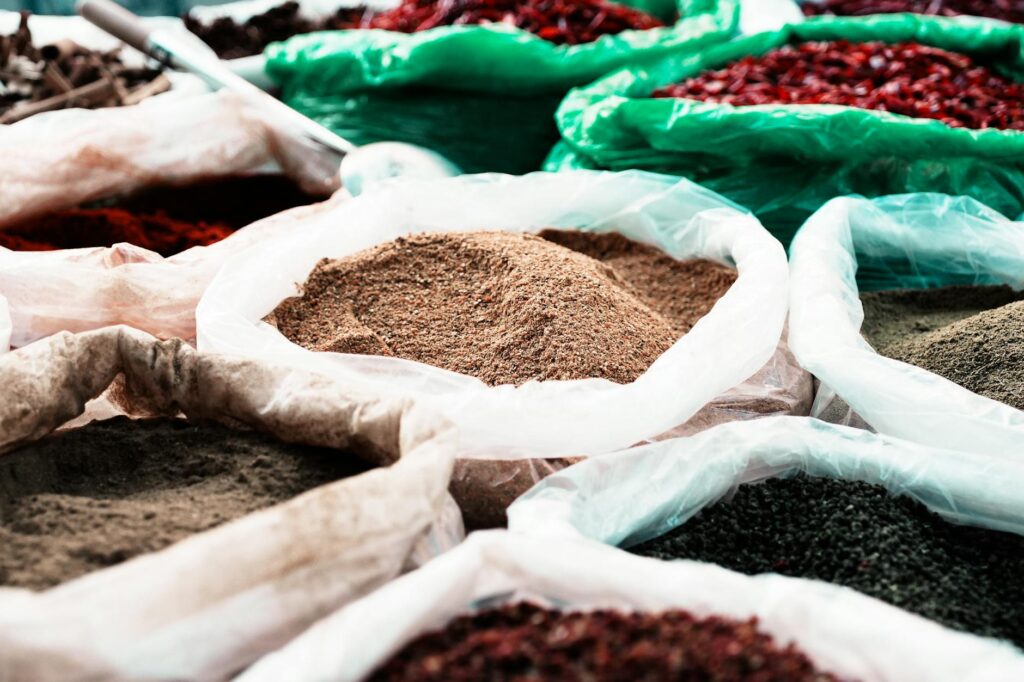
Garlic Around the World
Introduction
Garlic (Allium sativum) is a culinary staple and a revered ingredient in global cuisines, valued for its distinctive flavor and aroma. Beyond its culinary appeal, garlic is steeped in cultural significance, traditional practices, and historical narratives. With its origins tracing back to Central Asia, garlic has traveled the world, adapting to various climates and culinary traditions. This article aims to explore the diverse regions where garlic is cultivated, its historical journey, production nuances, quality assessments, and more, providing a comprehensive understanding of this remarkable ingredient.
What Is Regions?
In the context of gastronomy, “regions” refers to geographical areas that influence the characteristics, cultivation, and culinary applications of food ingredients. For garlic, these regions are defined not only by the climate and soil conditions conducive to its growth but also by the cultural practices and culinary traditions that shape its use. Each region imparts unique qualities to garlic, making it a versatile ingredient that varies significantly from one locale to another.
History and Origins
Garlic has a rich history that dates back thousands of years. Evidence suggests that it was domesticated in regions of Central Asia, particularly in present-day Turkmenistan, Uzbekistan, and Iran. Ancient civilizations, including the Egyptians, Greeks, and Romans, revered garlic for its culinary and medicinal properties. In Egypt, garlic was fed to laborers constructing the pyramids to enhance strength and endurance, while in ancient Greece, it was considered a symbol of health and vitality.
As trade routes expanded, garlic found its way into various cultures across Europe, Asia, and Africa. The Silk Road played a crucial role in disseminating garlic, where it was not only valued as a food ingredient but also as a protective charm against evil spirits. Today, garlic is cultivated in diverse regions around the world, each contributing to the ingredient’s rich tapestry of flavors and uses.
Production and Processing
Garlic thrives in a range of climates, although it prefers well-drained soil and moderate rainfall. Major garlic-producing countries include China, India, South Korea, and the United States. China is by far the largest producer, accounting for over 80% of the global garlic supply. In the United States, California is the leading state for garlic cultivation, particularly in the San Joaquin Valley, where the Mediterranean climate is ideal for growing this flavorful bulb.
Garlic is typically planted in late fall or early spring, depending on the region. The bulbs are harvested when the leaves turn yellow and dry, usually about six months after planting. Once harvested, garlic undergoes processing, which may include trimming, cleaning, and curing. Curing enhances the flavor and extends shelf life, as it allows the bulbs to dry and develop their characteristic pungency.
Quality and Grading
The quality of garlic can vary significantly based on several factors, including the variety, growing conditions, and handling practices. When assessing garlic, several characteristics are considered:
1. Bulb Size: Larger bulbs are often preferred due to their higher yield and easier handling.
2. Skin Condition: Fresh garlic should have firm, unbroken skins. Any signs of moisture or decay indicate poor quality.
3. Color: The outer skin can range from white to purple, with some varieties exhibiting a richer color indicating better flavor.
4. Firmness: Fresh garlic should be firm to the touch, while soft or shriveled bulbs are past their prime.
Grading systems may vary by country, but generally, garlic is classified into different categories based on these attributes. Specialty garlic varieties, such as purple stripe or elephant garlic, may command a higher price due to their unique characteristics and limited availability.
Buying Considerations
When purchasing garlic, several factors should be taken into account to ensure quality and freshness. Here are some key considerations:
- Variety: Different varieties of garlic have distinct flavors and uses. For example, hardneck garlic tends to have a stronger flavor and is often preferred for roasting, while softneck varieties are milder and more commonly used in everyday cooking.
- Source: Consider buying garlic from local farmers’ markets or reputable stores that prioritize fresh produce. Local garlic often exhibits better flavor and quality than mass-produced options.
- Seasonality: Garlic is typically harvested in late summer, so purchasing it during peak season (late summer to early fall) can lead to fresher, more flavorful bulbs.
- Storage Conditions: Look for garlic that has been stored in a cool, dry place, as this helps maintain its quality.
- Culinary Uses: Garlic can be used in various forms, including whole cloves, minced, crushed, or roasted. It serves as a foundational flavor in sauces, marinades, dressings, and soups.
- Flavor Enhancer: In many cuisines, garlic is often sautéed in oil to create a flavor base for various dishes, enhancing the overall taste profile.
- Cultural Significance: In Mediterranean cuisines, garlic is a key ingredient in dishes like aioli and tzatziki, while in Asian cuisines, it is often paired with ginger and scallions for stir-fries and other dishes.
- Whole Bulbs: Store whole, unpeeled garlic bulbs in a cool, dry place with good air circulation. A pantry or a well-ventilated cupboard is ideal. Under these conditions, garlic can last for several months.
- Peeled or Chopped Garlic: Once peeled or chopped, garlic should be stored in the refrigerator in an airtight container and used within a week to maintain freshness.
- Freezing: Garlic can be frozen for longer shelf life. It can be chopped, minced, or pureed before freezing in small portions, making it easy to use in future cooking.
- Garlic Causes Bad Breath: While garlic can lead to halitosis, the effect is often temporary and can be mitigated by consuming parsley or mint afterward.
- All Garlic Tastes the Same: Garlic varies significantly by variety, with different types exhibiting unique flavors and heat levels. Hardneck garlic tends to have a more robust flavor compared to the milder softneck types.
- Garlic Should Always Be Fresh: While fresh garlic is often preferred, dried garlic products like garlic powder and granulated garlic have their applications in cooking and can be convenient substitutes.
Uses and Applications
Garlic is incredibly versatile, finding its way into dishes across cultures. Its applications span from raw to cooked preparations, each bringing out different flavor profiles.
Storage and Shelf Life
Proper storage is crucial for maintaining garlic’s quality and flavor. Here are some guidelines:
Common Misconceptions
Garlic is surrounded by various myths and misconceptions, some of which include:
Frequently Asked Questions
1. What is the difference between hardneck and softneck garlic?
Hardneck garlic has a stiff flower stalk and tends to have a stronger flavor, making it ideal for roasting. Softneck garlic lacks a flower stalk and has a milder flavor, making it more suitable for braiding and long-term storage.
2. How can I tell if garlic is bad?
Signs of spoiled garlic include soft or mushy bulbs, sprouting green shoots, or a strong off odor. If the garlic shows these signs, it is best to discard it.
3. Can I grow garlic at home?
Yes, garlic can be grown at home in a garden or in pots. It requires well-drained soil and can be planted in the fall or spring, depending on your climate.
4. What are the best cooking methods for garlic?
Garlic can be used in various cooking methods, including sautéing, roasting, and grilling. Each method brings out different flavor profiles, with roasting yielding a sweeter, milder taste.
5. Is garlic available year-round?
Yes, garlic is available year-round in most regions. However, peak season for fresh garlic is during the late summer and early fall when it is harvested.
6. Can I use garlic that has sprouted?
Sprouted garlic is still safe to eat; however, the green shoots can have a bitter taste. You can remove the sprouts and use the remaining garlic as usual.
Conclusion
Garlic is more than just a flavorful ingredient; it represents a rich cultural heritage and an enduring connection to the earth. From its ancient origins to its widespread cultivation across the globe, garlic continues to be a beloved element in kitchens worldwide. Understanding the various regions that produce garlic, along with its history, processing methods, and culinary applications, enhances our appreciation for this remarkable ingredient. Whether used in cooking or revered for its traditional significance, garlic remains a fundamental part of culinary practices around the world.