
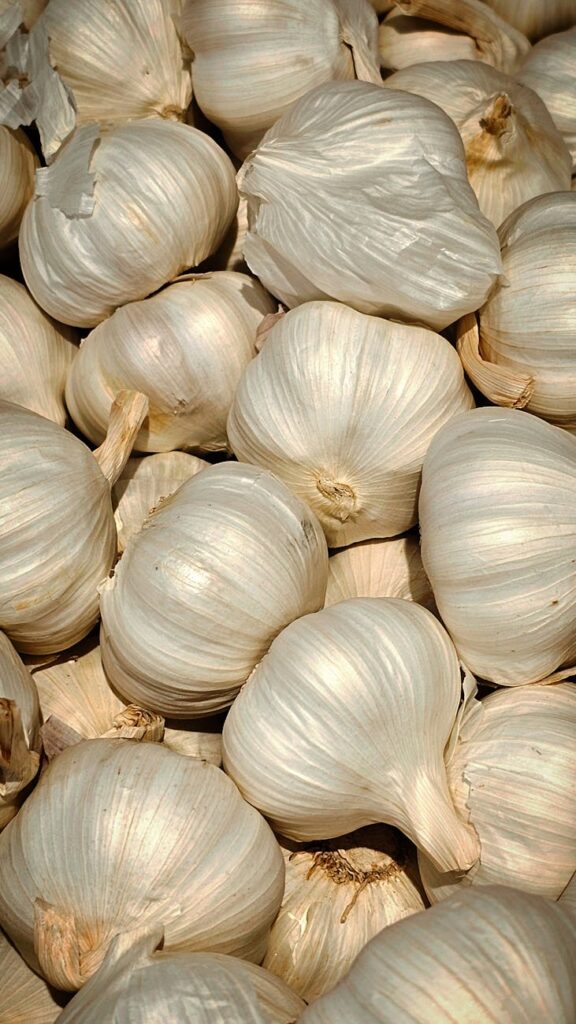
Garlic Growing Guide Part 7
Introduction
Garlic (Allium sativum) is a beloved culinary staple, revered not only for its distinctive flavor but also for its myriad uses in various cuisines around the globe. This comprehensive guide delves into the intricacies of growing garlic, exploring its history, production processes, quality grading, and more. Whether you are a novice gardener or an experienced cultivator, understanding the nuances of garlic cultivation will enhance your gardening experience and yield superior bulbs.
What Is Growing?
Growing, in the context of agriculture and horticulture, refers to the process of cultivating plants for food, fiber, and other products. It encompasses several stages, including soil preparation, planting, care during growth, and harvesting. For garlic, this process is particularly fascinating, as it involves understanding the plant’s lifecycle, environmental needs, and the unique conditions that can optimize its growth. Garlic is typically grown from cloves, which are the individual segments of a bulb, and requires careful attention to detail in each stage of its development.
History and Origins
Garlic has a rich history that dates back thousands of years. Its origins are traced to Central Asia, particularly regions that now encompass parts of Iran and Turkmenistan. Ancient civilizations, including the Egyptians, Greeks, and Romans, recognized garlic not only for its culinary properties but also for its supposed protective and medicinal qualities. Garlic was used in various ancient rituals and even as a form of currency among certain cultures.
Over time, garlic spread across the globe, making its way into various cuisines and agricultural practices. Its adaptability to different climates contributed to its widespread cultivation, and today, it is grown in many countries, including China, India, and the United States. Each region has developed unique varieties that reflect local growing conditions and culinary traditions.
Production and Processing
Garlic production involves several key stages:
1. Soil Preparation
Garlic thrives in well-drained, loamy soils rich in organic matter. Preparing the soil involves plowing, tilling, and amending it with compost or well-rotted manure to enhance fertility. A pH level of around 6.0 to 7.0 is ideal for optimal growth.
2. Planting
Garlic is typically planted in the fall or spring, depending on the climate. Cloves should be planted about 2 inches deep and spaced 4 to 6 inches apart in rows that are 12 to 18 inches apart. It’s essential to select healthy, disease-free cloves for planting, as this directly impacts yield and quality.
3. Care During Growth
Garlic requires consistent moisture, especially during the early growth stages. Regular weeding and mulching can help retain soil moisture and suppress weeds. Fertilization with balanced nutrients during the growing season can promote healthy bulb development.
4. Harvesting
Garlic is usually ready for harvest when the lower leaves begin to yellow and die back. This typically occurs in mid to late summer. Careful lifting of the bulbs from the soil is crucial to avoid damage. After harvesting, garlic should be cured in a dry, ventilated area to enhance flavor and shelf life.
Quality and Grading
The quality of garlic is determined by several factors, including size, firmness, and taste. When grading garlic, producers often classify it based on bulb size, which can range from small (about 1 inch) to large (over 3 inches). High-quality garlic should have a firm texture, a clean, unblemished skin, and a strong aroma.
Grading Standards
1. Grade A: High-quality bulbs with no blemishes, firm texture, and excellent flavor.
2. Grade B: Acceptable quality but may have minor imperfections or smaller sizes.
3. Grade C: Bulbs that are undersized or show significant blemishes; typically used for processing.
Understanding these grading standards is crucial for both growers and consumers, as they directly influence market value and culinary applications.
Buying Considerations
When purchasing garlic, several factors should be taken into account to ensure quality and maximize culinary potential:
1. Variety: Different garlic varieties, such as hardneck and softneck, offer distinct flavors and culinary uses. Hardneck varieties tend to have a stronger taste and produce a flower stalk, while softneck varieties are generally milder and better suited for braiding.
2. Freshness: Look for firm bulbs with intact skins and no signs of sprouting. Fresh garlic will have a pungent aroma and vibrant skin color.
3. Source: Consider purchasing from local farmers or reputable suppliers to ensure the garlic is fresh and has been grown under sustainable practices.
4. Seasonality: Garlic is typically harvested in mid to late summer, so buying it in season ensures the best quality.
Uses and Applications
Garlic is an incredibly versatile ingredient utilized in a plethora of culinary applications. Its robust flavor enhances everything from sauces and marinades to roasted vegetables and meats. Beyond its culinary uses, garlic is also a popular ingredient in various condiments, such as garlic oil, garlic powder, and aioli.
Culinary Applications
1. Flavoring Agent: Garlic can be used raw, sautéed, roasted, or pickled to impart flavor.
2. Preservation: Garlic is often used in pickling brines and marinades to enhance flavor while preserving food.
3. Infusions: Garlic can be infused into oils and vinegars for added depth in salad dressings and sauces.
Storage and Shelf Life
Proper storage is essential for maintaining the quality of garlic. Fresh garlic bulbs can be stored in a cool, dry place with good air circulation. Ideally, they should be kept in a mesh bag or a basket to prevent moisture buildup.
Shelf Life
- Whole Bulbs: Stored correctly, whole garlic bulbs can last for several