
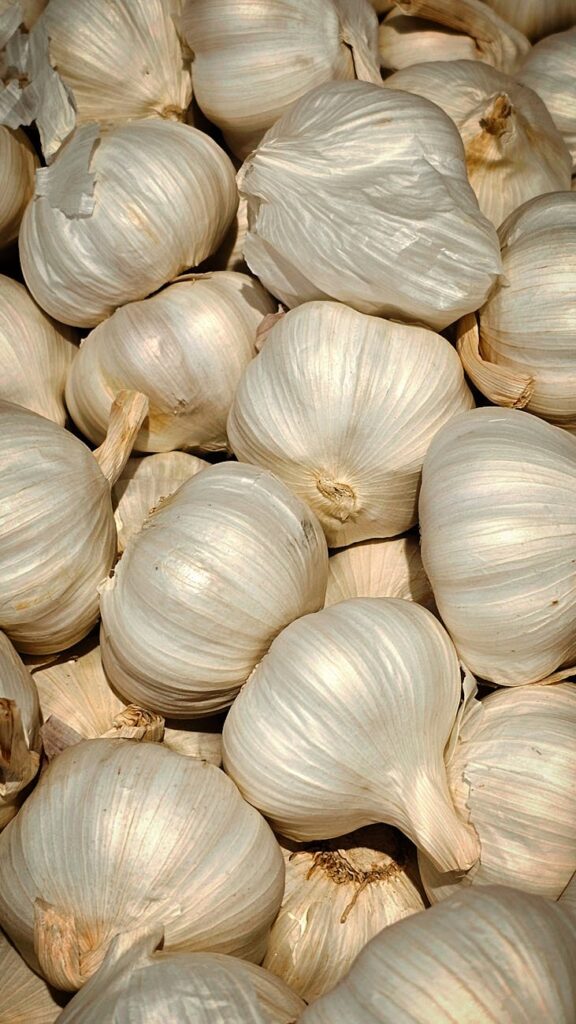
Garlic Regions Guide Part 6
Introduction
Garlic (Allium sativum) is a beloved ingredient across the globe, known for its robust flavor, aromatic properties, and versatility in culinary applications. While garlic is cultivated in many parts of the world, its flavor profile, quality, and characteristics vary significantly depending on the region in which it is grown. This guide explores the various regions renowned for garlic production, delving into their unique attributes, historical significance, and market considerations.
What Is Regions?
In the context of agricultural products, “regions” refers to specific geographical areas known for producing certain crops, influenced by factors such as climate, soil composition, and local agricultural practices. Each garlic-producing region offers distinct varieties, each with its own flavor, size, and culinary applications. Understanding these regions can enhance one’s culinary insights and appreciation of garlic as an ingredient.
History and Origins
Garlic has a rich history that dates back thousands of years. It is believed to have originated in Central Asia, particularly in the region that now encompasses present-day Iran and Turkmenistan. Historical texts indicate that garlic was cultivated as early as 4000 BCE, spreading to civilizations such as the Egyptians, Greeks, and Romans, who valued it not only for its culinary uses but also for its purported medicinal properties.
Throughout history, garlic has been associated with various cultures. The ancient Egyptians used it as a staple food for their laborers, while in ancient Greece, it was considered a symbol of strength. The Romans introduced garlic to the European continent, and over centuries, it has become a fundamental ingredient in Mediterranean cuisine—one of the first places where its culinary potential was truly recognized.
As trade routes expanded, garlic made its way across the globe, adapting to different climates and culinary traditions, leading to the diverse varieties we see today.
Production and Processing
Garlic is cultivated in many regions worldwide, but the top producers include China, India, South Korea, Egypt, and the United States. Each region’s climate, soil quality, and agricultural practices contribute significantly to the garlic produced.
Major Garlic-Producing Regions
1. China: The world’s largest producer, accounting for over 80% of global garlic production. Regions such as Shandong and Henan are particularly known for their high-quality garlic varieties.
2. India: Known for its diverse garlic cultivars, India produces several varieties, including the popular “Lahsun” and “Nehru” garlic, often characterized by their strong flavor and aroma.
3. South Korea: Renowned for its “Korean Purple” garlic, which has a distinct flavor profile and is often used in traditional Korean dishes.
4. Egypt: Produces a unique variety known for its sweet and mild flavor, making it popular in Middle Eastern cuisines.
5. United States: California is the leading garlic-producing state, home to the famous “California Early” and “California Late” varieties, which are known for their robust taste and long shelf life.
Processing Techniques
Once harvested, garlic undergoes several processing stages, including cleaning, sorting, and packaging. Fresh garlic is typically sold in bulbs, while processed garlic can come in various forms, such as minced, chopped, or powdered. The processing method can significantly affect the flavor and shelf life of the garlic.
Quality and Grading
The quality of garlic is determined by several factors, including size, firmness, and the absence of blemishes or sprouting. Grading standards may vary between regions, but generally, garlic is classified into categories such as “commercial,” “select,” and “premium.”
Factors Influencing Quality
- Size: Larger bulbs tend to be more flavorful and desirable for culinary applications.
- Firmness: Fresh garlic should feel firm to the touch, indicating that it has not begun to dry out or decay.
- Color: A vibrant, consistent color without dark spots is a hallmark of high-quality garlic.
- Raw Garlic: Used in dressings and salsas for a pungent kick.
- Roasted Garlic: Sweetens and mellows the flavor, making it ideal for spreads and dips.
- Garlic Powder: A convenient form for seasoning and spice blends, though it lacks the freshness of raw or roasted garlic.
- Whole Bulbs: Keep in a mesh bag or basket to allow airflow.
- Peeled Cloves: Store in an airtight container in the refrigerator for up to 10 days.
- Min
Buying Considerations
When purchasing garlic, it is essential to consider both the type and quality. Here are some tips to guide your buying decisions:
1. Variety: Familiarize yourself with different garlic varieties and their flavor profiles to select the one that best suits your culinary needs.
2. Freshness: Look for bulbs that are firm and free from sprouting. Avoid soft or shriveled bulbs, which may indicate age or spoilage.
3. Source: Whenever possible, buy garlic from local farmers’ markets or specialty stores that provide information about the source and variety.
4. Organic vs. Conventional: Consider whether you prefer organic garlic, which is grown without synthetic pesticides or fertilizers, versus conventional options.
Uses and Applications
Garlic is an incredibly versatile ingredient used in various culinary applications. Its flavor can enhance dishes in many cuisines, from Italian pasta sauces to Asian stir-fries. Additionally, garlic is often used in marinades, dressings, and dips, such as aioli and hummus.
Culinary Variations
Storage and Shelf Life
Proper storage is crucial for maintaining garlic’s freshness and flavor. Garlic bulbs should be stored in a cool, dry, and well-ventilated area, away from direct sunlight. When stored correctly, whole bulbs can last for several weeks to months.