
Ginger FAQs Answered
Introduction
Ginger, a spice known for its distinct flavor and numerous culinary applications, has captivated chefs and home cooks alike for centuries. This versatile ingredient is not only a staple in various cuisines around the world but also boasts a rich history and a wealth of uses beyond the kitchen. In this article, we will explore ginger in-depth, addressing common questions and clarifying misconceptions to enhance your understanding of this remarkable ingredient.
What Is Ginger?
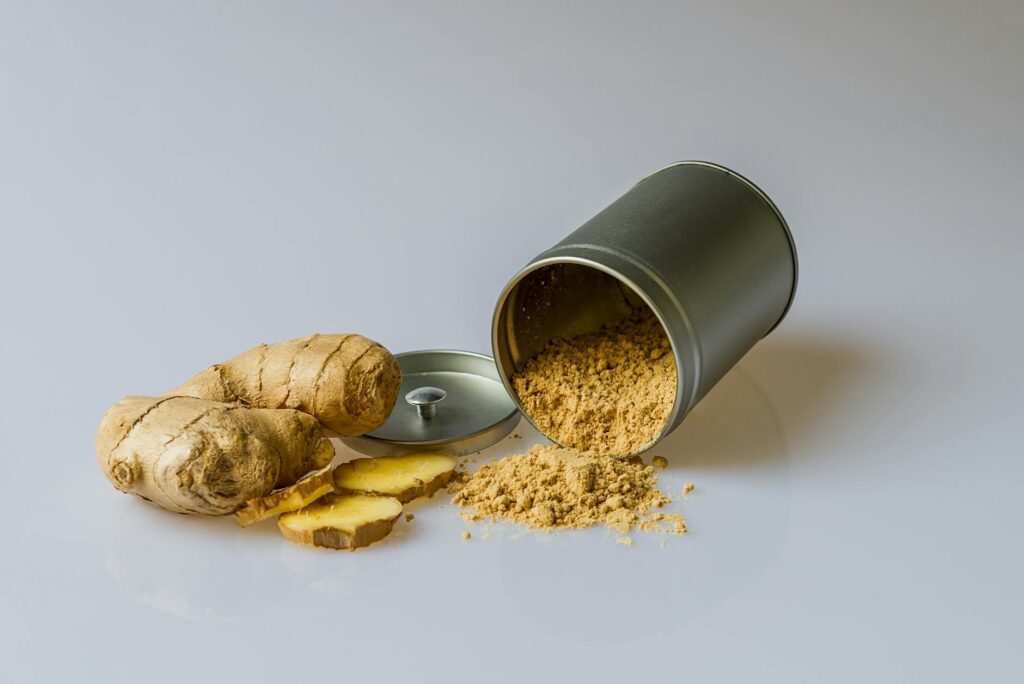
Ginger (Zingiber officinale) is a flowering plant belonging to the family Zingiberaceae. The part of the plant that is most commonly used is the rhizome, which is the underground stem that grows horizontally. Ginger is characterized by its pungent flavor, slightly sweet aroma, and fibrous texture. Its culinary applications range from fresh, dried, and powdered forms to ginger-infused beverages and extracts. This spice is celebrated not only for its unique taste but also for its ability to elevate dishes, offering warmth and complexity.
History and Origins
Ginger has a long and storied history that dates back over 5,000 years. Native to Southeast Asia, it was one of the first spices to be traded, making its way to Europe and the Middle East via ancient trade routes. The spice was highly valued in ancient cultures, often used not just for its flavor but also as a form of currency.
Historical texts indicate that ginger was used in ancient Indian and Chinese medicine, where it was believed to have various beneficial properties. The spice gained popularity across the Mediterranean, being particularly favored by the Romans, who used it in cooking and for medicinal purposes. By the Middle Ages, ginger had become an integral part of European cuisine, especially in the form of preserved ginger and gingerbread.
Today, ginger is cultivated in tropical and subtropical regions around the world, with India, China, and Indonesia being the largest producers. Its global journey has made it a beloved ingredient in diverse cuisines, from Indian curries to Caribbean jerk dishes.
Production and Processing
Ginger cultivation requires warm temperatures, ample rainfall, and well-drained soil. The plant is typically propagated using sections of the rhizome, which are planted in the ground. Once planted, ginger takes about 8 to 10 months to mature, at which point it is harvested. The timing of the harvest greatly influences the flavor and quality of the ginger.
Post-harvest, ginger undergoes several processing steps. Fresh ginger is often washed and sorted to remove impurities before being packed for distribution. Dried ginger, also known as ‘ginger root,’ is peeled, sliced, and then dried to concentrate its flavor. Ground ginger is produced by grinding dried ginger into a fine powder, making it convenient for various culinary applications.
Quality control is crucial during production, as factors such as soil quality, climate, and harvesting methods can significantly impact the final product. High-quality ginger should have a firm texture, smooth skin, and an aromatic scent.
Quality and Grading
Ginger quality is typically assessed based on several criteria, including appearance, aroma, and flavor. The most common grading classifications for ginger are based on size and freshness. Generally, larger rhizomes are favored for their juiciness and flavor intensity.
In the market, you may encounter different types of ginger, such as:
- Fresh Ginger: Characterized by a light brown skin and a firm texture. It should be free of mold and blemishes.
- Dried Ginger: Often appears wrinkled and darker in color; it should have a strong aroma and a concentrated flavor.
- Ground Ginger: This form should be finely milled, with a warm, spicy aroma.
- Culinary Uses: Fresh ginger is widely used in Asian cuisines, where it enhances the flavor of stir-fries, soups, and marinades. Dried ginger is commonly found in baked goods like gingerbread and cookies. Ground ginger is often used in spice blends, curries, and sauces.
- Beverages: Ginger is a key ingredient in many beverages, including ginger tea, ginger ale, and cocktails. It can add a refreshing kick and is often used to balance sweetness.
- Preservation: Pickled ginger, often served with sushi, is another popular application. It can add a tangy, sweet element to dishes and is used as a palate cleanser.
- Flavoring: Ginger can also be used to infuse oils, syrups, and vinegars, providing a unique flavor profile that enhances dishes and drinks.
- Fresh Ginger: Store fresh ginger in the refrigerator, ideally in a paper bag or wrapped in a paper towel to absorb moisture. It can last for several weeks if stored properly. Avoid keeping it in a sealed plastic bag, as this can promote mold growth.
- Dried Ginger: Store dried ginger in an airtight container in a cool, dry place away from direct sunlight. Properly stored, it can last for up to two years.
- Ground Ginger: Ground ginger should also be kept in an airtight container, away from heat and moisture. Its shelf life is typically around six months to a year, after which it may lose potency and flavor.
- Misconception 1: All Ginger is the Same: Not all ginger varieties are equal. Different types, such as young ginger and mature ginger, have distinct flavors and uses. Young ginger is milder and juicier, while mature ginger has a more robust flavor.
- Misconception 2: Ginger is Only for Asian Cuisine: While ginger is a staple in many Asian dishes, its uses extend far beyond that. It is found in various cuisines, including Indian, Middle Eastern, and even Western baking.
- Misconception 3: Ginger is Only Used Fresh: Ginger can be effectively utilized in its dried and powdered forms, each with unique applications. Dried ginger is often more concentrated, making it ideal for certain recipes.
- Misconception 4: Ginger is Overly Spicy: While ginger has a strong flavor, it is not necessarily spicy in the same way that chili peppers are. Its heat is warm and aromatic, making it suitable for a wide array of dishes.
To ensure the highest quality, it is advisable to source ginger from reputable suppliers who follow good agricultural practices.
Buying Considerations
When purchasing ginger, several factors should be considered to ensure you select the best quality:
1. Form: Decide whether you need fresh, dried, or powdered ginger based on your intended use. Fresh ginger is ideal for marinades and stir-fries, while dried and ground forms are suitable for baking and spice blends.
2. Appearance: For fresh ginger, look for firm rhizomes that are smooth and free from blemishes. Avoid those with soft spots or excessive wrinkling. Dried ginger should be free from mold and have a strong scent.
3. Source: Consider purchasing ginger from local farmers’ markets or reputable grocery stores that emphasize quality and freshness. Organic ginger may also be available and can be a preferable choice for those concerned about farming practices.
4. Storage: Check the packaging for storage instructions, especially for dried and ground forms, which should be kept in a cool, dry place to maintain freshness.
5. Seasonality: Fresh ginger is often more aromatic and flavorful during its peak season, which may vary based on the region. Be mindful of seasonal availability when shopping.
Uses and Applications
Ginger’s versatility makes it a prized ingredient in a variety of culinary applications:
Ginger’s distinctive taste and aroma make it a beloved ingredient across various cuisines, and its adaptability allows it to be incorporated into both savory and sweet dishes.
Storage and Shelf Life
Proper storage is essential to maintain ginger’s quality and flavor. Here are some guidelines:
To extend shelf life and maintain quality, always check for signs of spoilage or loss of aroma before using ginger.
Common Misconceptions
Despite its widespread popularity, several misconceptions about ginger persist:
Frequently Asked Questions
1. What are the nutritional benefits of ginger?
Ginger is low in calories and rich in antioxidants. It contains several vitamins and minerals, including vitamin C, magnesium, and potassium. Additionally, ginger is known for its anti-inflammatory properties, though it is essential to consult nutrition sources for detailed information.
2. How can I tell if ginger has gone bad?
Signs of spoilage in ginger may include a soft or mushy texture, mold growth, or an off smell. Fresh ginger should feel firm and have a strong, spicy aroma.
3. Can I use dried ginger instead of fresh ginger in recipes?
Yes, you can substitute dried ginger for fresh ginger, but the flavor will be more concentrated. Generally, 1 teaspoon of dried ginger is equivalent to 1 tablespoon of fresh ginger. Adjust according to taste.
4. Is there a difference between ginger and galangal?
Yes, while both belong to the Zingiberaceae family, they are different plants. Galangal has a sharper, more citrusy flavor compared to ginger, which is warmer and earthier. They are not interchangeable in recipes.
5. Can I freeze ginger?
Yes, freezing ginger is an excellent way to prolong its shelf life. You can freeze whole rhizomes or peel and grate it before freezing in small portions. Thaw as needed for cooking.
6. What is the best way to peel ginger?
The best way to peel ginger is to use the edge of a spoon to scrape off the skin. This method minimizes waste and makes it easier to navigate around the knobby shape of the ginger root.
Conclusion
Ginger is more than just a flavorful ingredient; it is a culinary staple with a rich history and diverse applications. Understanding its origins, production, and uses can enhance your cooking experience and appreciation for this remarkable spice. Armed with this knowledge, you can confidently incorporate ginger into your dishes, ensuring you make the most of its unique flavor and versatility.